


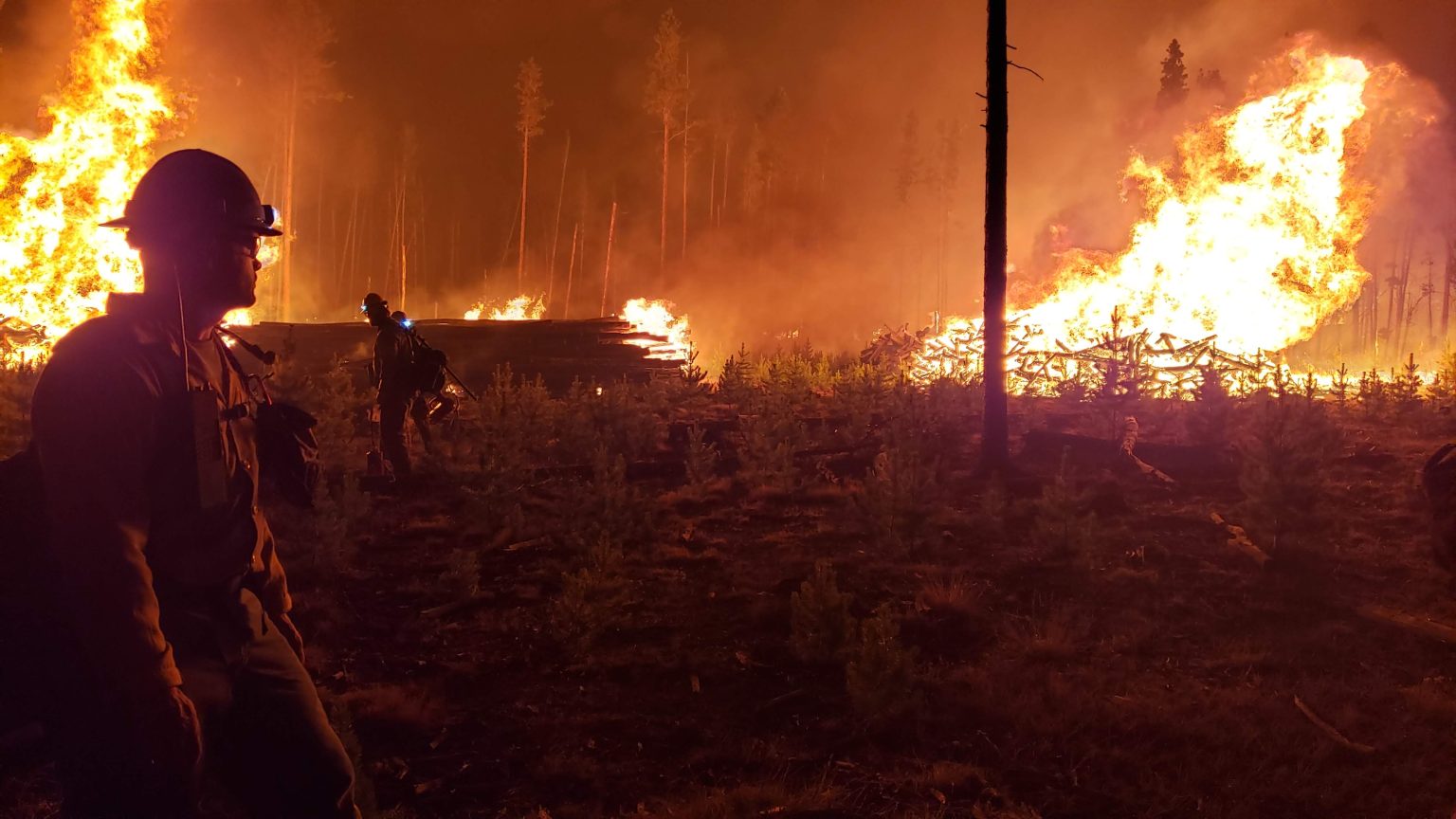
Communities, scientists, and environmental groups are working together to repair long-term damage caused by major wildfires across coastal and forest regions. Recovery efforts are now expanding as the scale of ecological impact becomes clearer over time.
The fires left behind widespread environmental damage, including soil contamination, water pollution, and destruction of natural habitats. Experts say these effects can last for years, even after the flames are fully contained.
One major concern is soil damage. Intense heat from wildfires can strip soil of nutrients and weaken its structure. This makes it harder for plants to grow again and increases the risk of erosion during rain.
Another serious issue is water pollution. After wildfires, rainfall can wash ash, chemicals, and debris into rivers and coastal waters. This runoff can affect drinking water supplies, marine life, and coastal ecosystems.
Environmental scientists say coastal areas are especially vulnerable. When burned material flows into the ocean, it can disrupt marine habitats and reduce water quality for fish and other species.
Habitat loss is also a major challenge. Many forests and wildlife areas have been heavily damaged, forcing animals to migrate or struggle for survival in smaller, fragmented spaces.
In response, cleanup and restoration projects are now active in several affected regions. Teams are working to remove debris, stabilize soil, and restore damaged ecosystems.
Reforestation efforts are also underway. These programs focus on replanting native trees and vegetation to help rebuild natural environments and support wildlife recovery.
Environmental agencies are also monitoring water quality in rivers and coastal zones. Regular testing helps identify contamination levels and guides cleanup priorities.
Experts say recovery after large wildfires is a slow and complex process. Natural ecosystems take time to rebuild, and some areas may never fully return to their original condition.
Climate conditions are also affecting recovery speed. Hotter temperatures and changing rainfall patterns can make it harder for damaged ecosystems to recover naturally.
Scientists warn that wildfires are becoming more frequent and intense in many regions. This increases pressure on recovery programs and makes long-term planning more important.
Community groups are playing a key role in restoration efforts. Volunteers often assist with planting trees, cleaning affected areas, and supporting local wildlife rehabilitation programs.
Government agencies are also working with environmental organizations to improve coordination and funding for recovery projects. These partnerships aim to speed up restoration and reduce long-term damage.
Experts say future recovery efforts may rely more on advanced tools such as satellite monitoring, soil restoration technology, and climate modeling to guide rebuilding efforts.
Despite the challenges, environmental groups say progress is being made. Slowly, damaged areas are beginning to show signs of recovery as vegetation returns and ecosystems stabilize.
However, scientists emphasize that full recovery can take many years. Continued investment, monitoring, and community involvement will be essential to restore balance to affected environments.
