


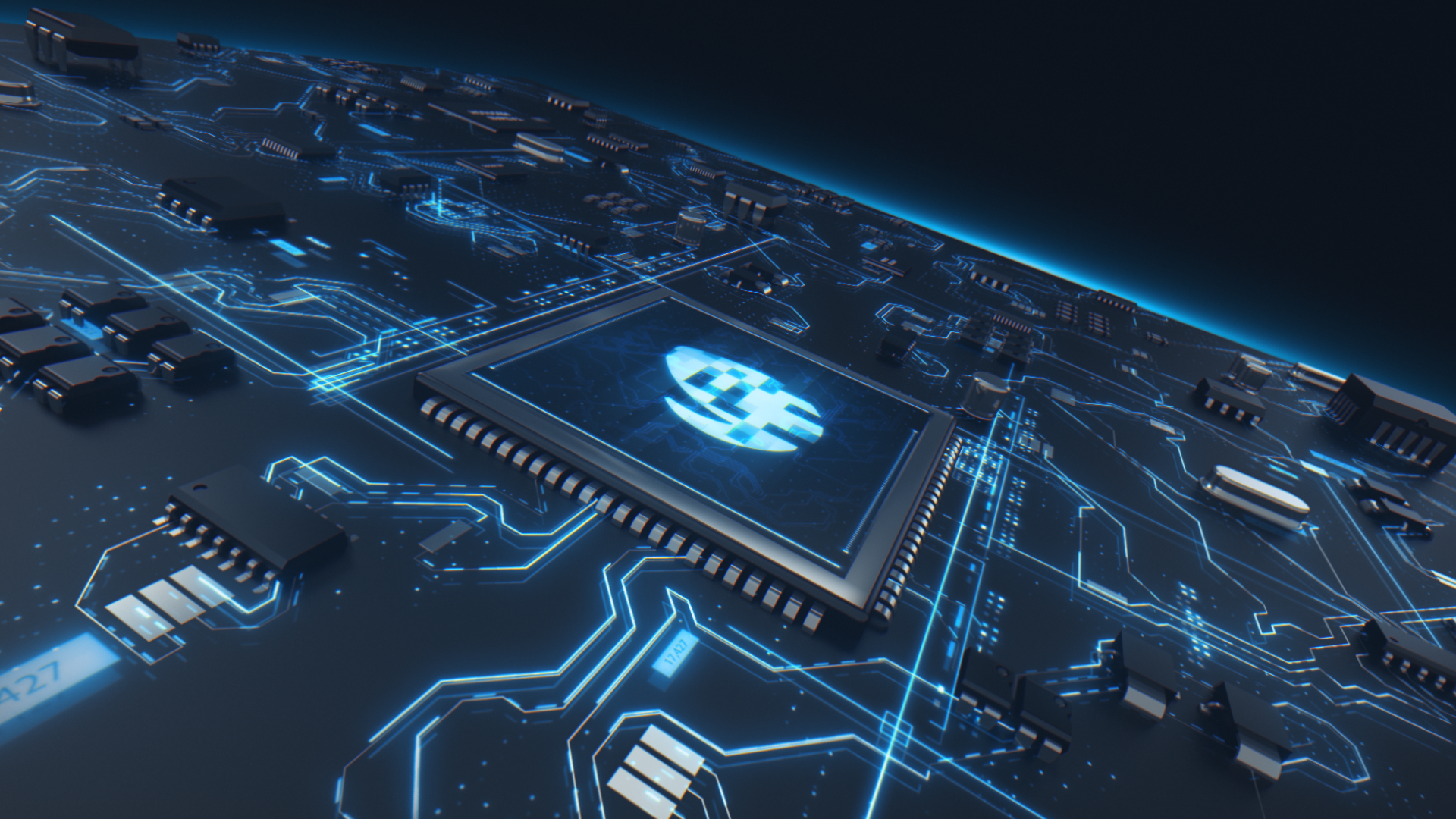
The global PC hardware market is under pressure as rising demand for artificial intelligence chips reshapes semiconductor production priorities worldwide.
Industry reports indicate that motherboard shipments are expected to drop by more than 25%, driven by a major shift in manufacturing capacity toward AI-focused processors and data centre hardware.
The trend reflects a growing imbalance in the semiconductor supply chain, where high-performance AI chips are now taking priority over traditional consumer PC components.
Companies are increasingly allocating wafer production capacity to advanced AI processors and graphics chips used in large-scale data centres.
This shift is reducing availability of core PC parts such as motherboards, memory, storage devices, and mainstream processors.
The impact is being felt across the global technology supply chain, affecting both manufacturers and consumers.
Major motherboard producers such as ASUS, Gigabyte, MSI, and ASRock are reportedly adjusting production strategies as supply constraints increase costs and limit output.
Manufacturers are also focusing more on enterprise systems and AI-ready infrastructure products, where profit margins are significantly higher than in consumer PC hardware.
The rapid expansion of AI computing systems, including large language model training platforms, has intensified demand for high-end semiconductor capacity.
These systems rely heavily on advanced chips that require complex manufacturing processes at cutting-edge production nodes.
As a result, chipmakers are prioritising contracts linked to AI infrastructure over consumer electronics production.
One of the key pressure points in the market is the competition for wafer allocation, which determines how semiconductor factories distribute limited production capacity.
AI chips used in data centres often require larger and more complex designs, consuming more manufacturing resources than standard PC chips.
This has created a bottleneck effect, reducing the availability of components used in personal computers.
Memory and storage markets are also feeling the strain.
High-bandwidth memory used in AI systems is being absorbed into enterprise supply chains, which could limit availability of DDR5 memory and NAND flash storage for consumer devices.
This shift may lead to higher prices and longer delivery times for PC builders and gaming enthusiasts.
The industry-wide transformation reflects what analysts describe as an “AI-first” manufacturing model, where production decisions are driven by artificial intelligence demand rather than consumer electronics cycles.
Under this model, semiconductor companies prioritise high-value AI infrastructure contracts, especially those supporting large-scale computing and cloud-based systems.
Experts say this approach is accelerating investment in AI technology but creating challenges for the traditional PC hardware market.
The decline in motherboard sales is seen as a key indicator of this structural shift rather than a simple drop in consumer demand.
It suggests that production capacity is being redirected away from personal computing toward enterprise and industrial applications.
Leading hardware firms are adapting by expanding into data centre solutions and AI-focused systems.
Some manufacturers are restructuring product lines to focus on high-margin enterprise hardware rather than mainstream consumer devices.
Industry observers say this change could continue in the medium term as global investment in AI infrastructure expands rapidly.
Data centre construction and AI model development are expected to remain major drivers of semiconductor demand in the coming years.
For consumers, this could mean higher prices for PC upgrades, reduced stock availability, and longer waiting periods for certain components.
Market analysts also warn that memory and storage prices may remain volatile due to ongoing supply pressures.
However, any slowdown in AI investment or expansion of semiconductor manufacturing capacity could eventually ease pressure on consumer markets.
Until then, the PC hardware industry is expected to operate under tighter supply conditions, with AI chip demand continuing to dominate production priorities.
The ongoing shift highlights how artificial intelligence is not only transforming software and services but also reshaping the global hardware economy that supports modern computing systems.
