


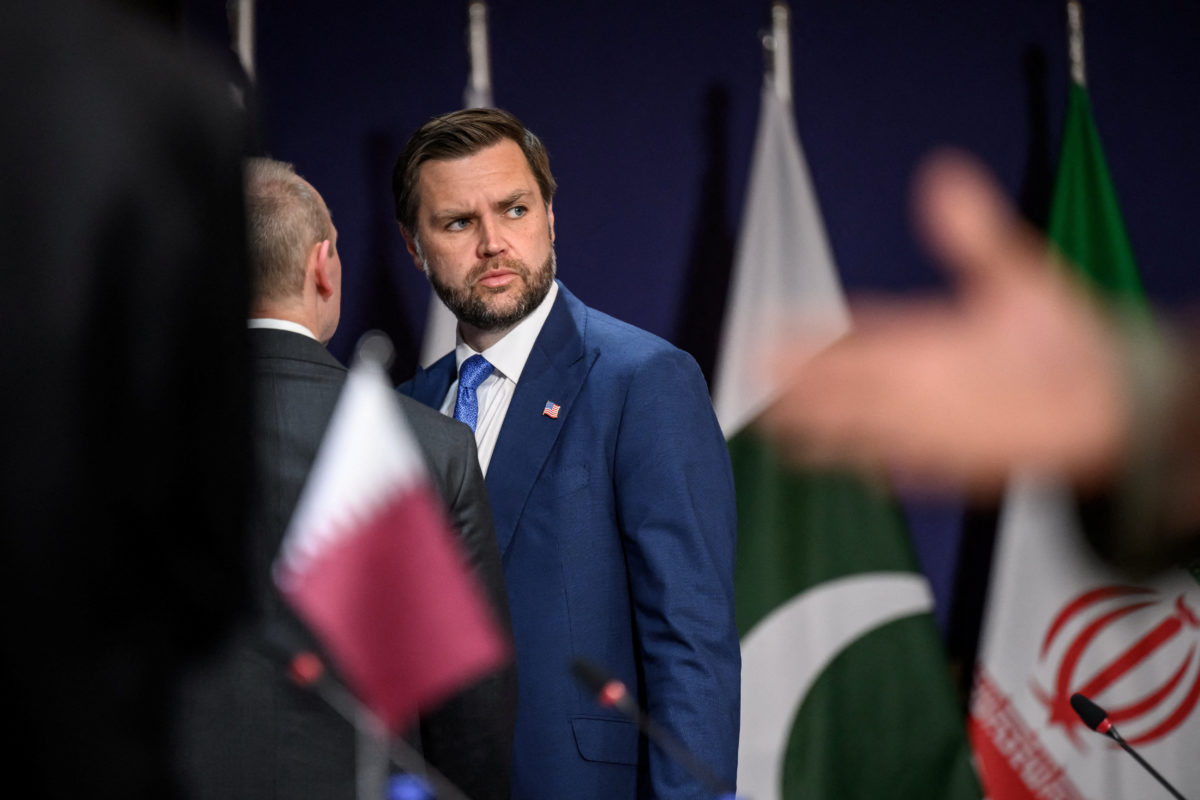
High-level talks between the United States and Iran faced renewed tension on Sunday in Switzerland as diplomatic efforts to stabilize relations came under pressure from sharp political statements and regional conflict.
Vice President JD Vance met Iranian officials alongside mediators from Pakistan and Qatar as negotiations continued on an interim agreement aimed at reducing tensions. The discussions are part of a broader effort to address issues including Iran’s nuclear program, regional conflicts, and economic sanctions.
However, the talks began in a difficult atmosphere after strong remarks from President Donald Trump. His comments, made through social media and interviews, warned Iran against escalating regional tensions and referred to possible military action if certain conditions were not met.
Trump specifically criticized Iran over its support for armed groups in Lebanon and demanded restraint from what he described as proxy forces. His statements added pressure to an already fragile negotiation process and drew a direct response from Iranian officials.
Iran’s lead negotiator responded publicly, warning that Tehran would not accept threats during discussions. He emphasized that Iran’s armed forces were prepared to respond if necessary and insisted that actions would follow words if tensions escalated further.
Shortly after the exchange of statements, Iranian state media reported that talks had entered a difficult phase. Delegates reportedly paused discussions following the release of the US president’s comments. Iranian representatives then met with mediators from Qatar before temporarily leaving the negotiation site.
Despite this, an official familiar with the talks said the Iranian delegation remained engaged in the process and had not indicated any intention to withdraw completely. Mediators are continuing efforts to keep both sides at the table as negotiations remain sensitive.
At the center of the talks are several major issues. These include Iran’s nuclear program, sanctions relief, frozen assets, and the status of key regional waterways such as the Strait of Hormuz. The United States has also pushed for guarantees that shipping routes remain open and stable.
Iran, however, has insisted that the situation in Lebanon must be addressed first. The conflict involving Israel and Hezbollah has become a key point of disagreement. Iranian officials argue that any broader agreement must include measures to reduce violence in the region.
The situation in Lebanon remains tense but relatively stable following a recent ceasefire agreement. However, neither Israel nor Hezbollah is part of the US Iran negotiations, and both continue to hold firm positions on security conditions along the border.
The nuclear issue remains another major sticking point. Iran continues to insist on its right to enrich uranium, while the United States has raised concerns about possible military applications. Both sides remain far apart on verification and compliance mechanisms.
Economic elements of the agreement are also under discussion. Reports suggest the interim deal could include temporary sanctions relief and limited access to frozen Iranian assets. Oil exports and maritime access are also part of the broader negotiations, given their impact on global markets.
Vice President JD Vance described the talks as an opportunity to reset relations and reduce long standing tensions in the Middle East. He suggested that progress could lead to improved stability if both sides continue engaging in dialogue.
However, competing political messages have complicated the process. Trump’s public warnings, including threats of military action, have created additional pressure on negotiators. Iranian officials say such rhetoric undermines trust and makes agreement more difficult.
The Strait of Hormuz remains a particularly sensitive issue. Iran has previously claimed to restrict or close the waterway, which is vital for global oil shipments. The United States has disputed these claims and says commercial shipping continues to operate normally.
As talks continue, mediators are working to prevent a breakdown in communication. The next phase of discussions will likely focus on narrowing differences over regional security and economic terms. Officials say both sides remain engaged, but significant gaps remain.
Global markets are also watching closely. Any disruption in negotiations or escalation in tensions could impact oil prices and international trade flows. For now, the outcome remains uncertain as diplomacy and political pressure continue to collide in one of the most complex negotiations involving the two countries in recent years.
