


The confrontation between the United States and Iran intensified on Saturday after military actions by both sides raised fears of a deeper conflict across key shipping routes in the Middle East. The latest exchange centered on naval operations and oil transportation, increasing concerns about the security of global energy supplies and maritime trade.
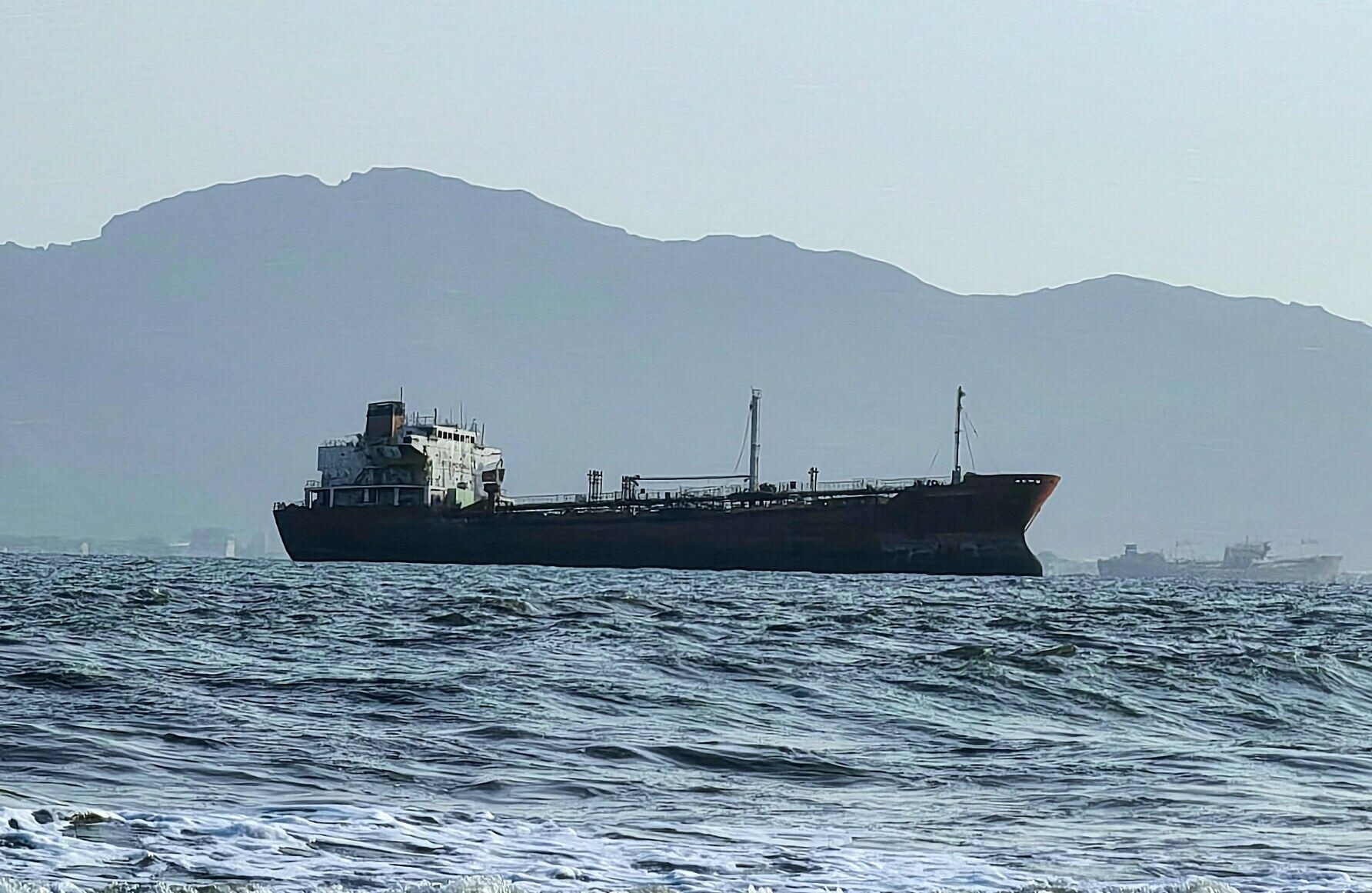
According to the United States military, Iranian forces launched ballistic missiles toward two American Navy warships operating in regional waters. U.S. officials said both vessels avoided the attacks without suffering damage. Shortly afterward, American forces carried out strikes against three Iranian crude oil carriers that officials described as part of a network supporting Iran’s military activities.
The incident marks one of the most serious maritime confrontations between the two countries in recent weeks. It follows earlier military exchanges that ended a period of reduced tensions and renewed concerns about stability in the Persian Gulf.
U.S. Central Command stated that two Iranian oil carriers were disabled near the Iranian coastline, while a third tanker operating outside the Persian Gulf was destroyed after multiple strikes. Military officials said the vessels were linked to a large shipping network that generates revenue for Iran’s military operations and allied groups across the region.
American commanders said the strikes were a direct response to the missile launches against U.S. naval forces. Senior military leaders stressed that future attacks on American ships could result in additional action targeting Iranian maritime assets.
The latest developments signal a growing focus on economic and shipping infrastructure in the ongoing dispute between Washington and Tehran. Rather than targeting military bases alone, both sides are increasingly concentrating on assets connected to transportation, trade, and energy exports.
Iran strongly criticized the U.S. operation. The foreign affairs ministry described the strikes as aggressive and unlawful. Officials argued that the attacks endangered commercial shipping and represented a violation of international law.
Iranian authorities also accused Washington of threatening regional peace and undermining the safety of international maritime routes. Government representatives warned that Iran would respond firmly to any action directed against its interests or economic resources.
Earlier in the day, Iranian media outlets reported that a tanker near Kharg Island came under attack from U.S. forces. Reports said the vessel was struck by four projectiles. Officials confirmed that no crew members were killed or injured during the incident.
Media reports also cited audio communications in which a U.S. military aircraft allegedly warned a tanker before carrying out strikes. The messages instructed crew members to clear specific areas of the vessel and later advised them to abandon the ship for safety reasons.
The Strait of Hormuz remains at the center of growing international concern. The narrow waterway connects the Persian Gulf to global markets and serves as one of the world’s most important routes for oil exports. Millions of barrels of crude oil pass through the passage every day, making any disruption a matter of global economic significance.
Security experts warn that continued attacks involving ships and tankers could create serious risks for commercial navigation. Shipping companies may face higher insurance costs, while traders and energy markets closely monitor the possibility of further escalation.
The recent exchange also highlights the broader struggle for influence in the region. Both governments have accused each other of threatening maritime security and increasing instability. While the United States says its actions are designed to protect naval forces and commercial shipping, Iran argues that American military operations contribute to regional tensions.
International observers fear that repeated retaliation could lead to a prolonged cycle of confrontation. Each new exchange increases the possibility of miscalculation and raises concerns about the safety of sailors, commercial vessels, and critical energy infrastructure.
For now, governments across the region are watching developments closely. Diplomatic efforts to ease tensions remain limited, and uncertainty continues to surround the future of shipping operations in the Persian Gulf.
As the United States and Iran exchange warnings and military responses, the latest incident has become another reminder of how quickly tensions in the region can affect global trade, energy markets, and international security. The coming days may determine whether both sides seek restraint or move toward another round of confrontation at sea.
