


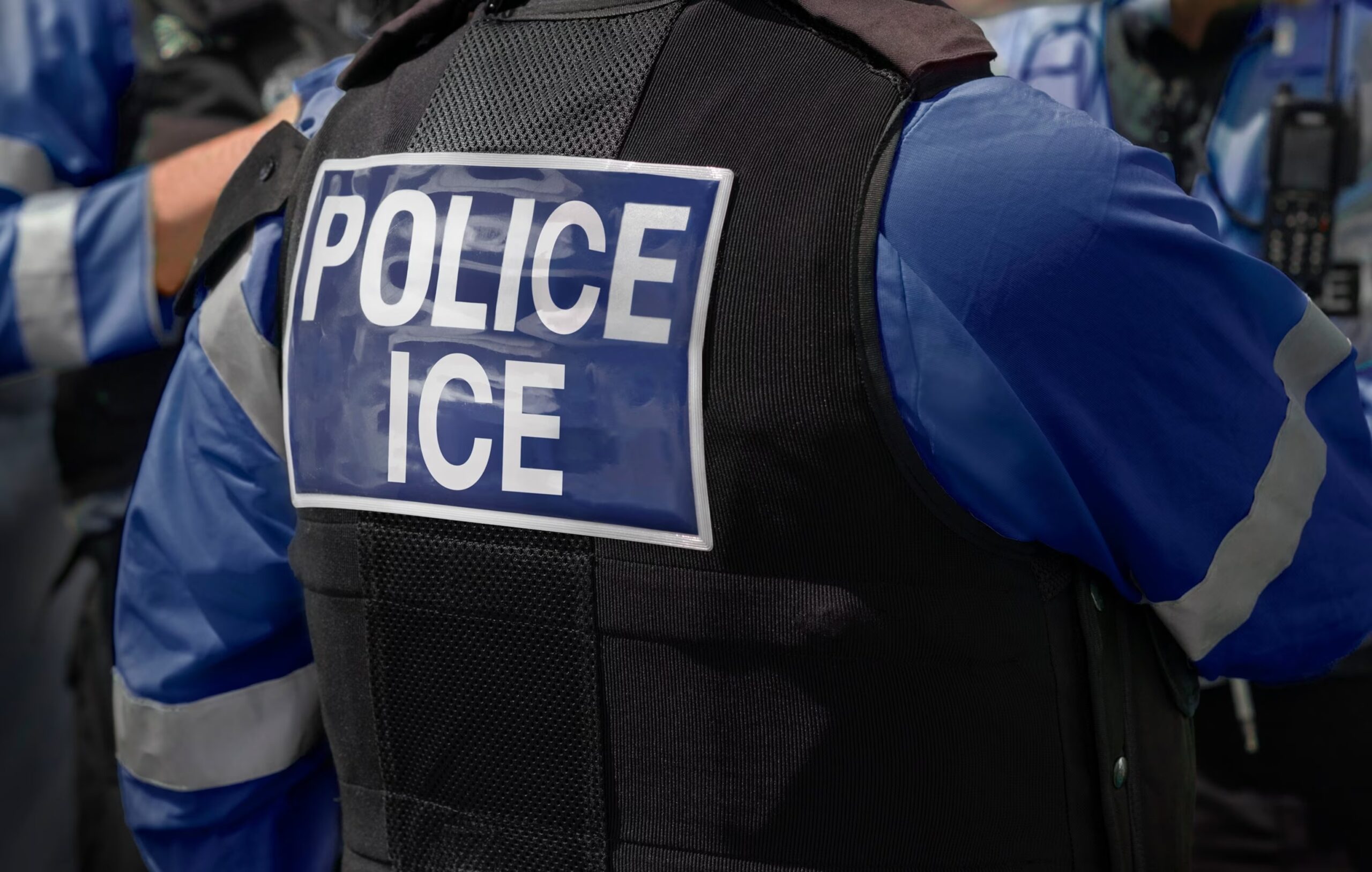
A federal immigration officer is facing criminal charges after prosecutors accused him of providing false information during an investigation into a shooting that injured a Venezuelan man in Minnesota earlier this year.
Christian Castro, an officer with U.S. Immigration and Customs Enforcement, appeared in federal court in Texas after surrendering to authorities. The case centers on statements he allegedly made to investigators following a January shooting in Minneapolis.
A federal judge ordered Castro released from custody under strict conditions. He was placed on a $75,000 unsecured bond and must wear a GPS monitoring device while the case proceeds through the court system.
Castro’s attorneys said he plans to fight the charges and enter a not guilty plea. He is scheduled to appear in federal court in Minnesota later this month.
The prosecution marks a notable development in the legal fallout from a large federal immigration enforcement effort known as Operation Metro Surge. The operation brought thousands of federal agents into the Minneapolis-St. Paul area and generated widespread public attention.
The enforcement campaign led to protests, arrests, and several confrontations that drew scrutiny from community groups and public officials. The latest charges place a federal officer at the center of an ongoing legal and political debate over immigration enforcement tactics.
According to federal prosecutors, Castro gave investigators an account of the shooting that does not match the evidence gathered during the investigation.
The indictment states that Castro told an FBI agent he was attacked while attempting to detain an individual outside a residence in Minneapolis. He reportedly claimed that one person struck him with a red broom taken from a nearby porch.
He also allegedly said that another individual hit him with a snow shovel during the confrontation. Castro told investigators that he fired his weapon while on the ground as the men ran from the scene.
Federal prosecutors now allege that those statements were false. They contend that Castro knowingly misled investigators about the circumstances surrounding the shooting.
The person injured in the incident was identified as Julio Cesar Sosa-Celis, a Venezuelan national. He survived the shooting and later became a central figure in the investigation.
Authorities have not accused Castro in the federal case of unlawfully discharging his weapon. Instead, the focus of the indictment is on whether he intentionally provided inaccurate information after the shooting occurred.
Legal experts note that false statement charges can carry serious consequences because investigators rely on truthful accounts when reviewing the actions of law enforcement officers. Prosecutors must prove that any misleading statements were made knowingly and intentionally.
The federal case closely follows criminal charges already filed by Minnesota authorities. State prosecutors have accused Castro of assault and falsely reporting a crime in connection with the same shooting.
Those charges were brought after a separate review conducted by local investigators. While both cases stem from the same event, the federal and state proceedings will move forward independently.
Court documents indicate that investigators examined witness accounts, physical evidence, and official reports while reviewing the shooting. Prosecutors argue that the evidence contradicts Castro’s version of events.
Defense attorneys have maintained that their client acted appropriately during a difficult and rapidly developing situation. They have indicated that they will challenge the allegations and contest the government’s interpretation of the evidence.
The case has attracted attention because prosecutions involving federal law enforcement officers are relatively uncommon. Legal observers say the proceedings could become an important test of accountability standards during major enforcement operations.
For now, Castro remains free under court supervision as he prepares for his next hearing. The federal government will continue building its case, while defense lawyers prepare their response.
No findings of guilt have been made, and Castro remains presumed innocent under the law. The coming court proceedings are expected to provide a clearer picture of the evidence and arguments that will shape the outcome of the Minnesota ICE shooting case.
