


Meta Description: Michigan Senate debate sees Abdul El Sayed and Mike Rogers clash over Iran, Trump and claims about Muslim Brotherhood ties.
Michigan Senate Debate Focuses on Iran and Trust
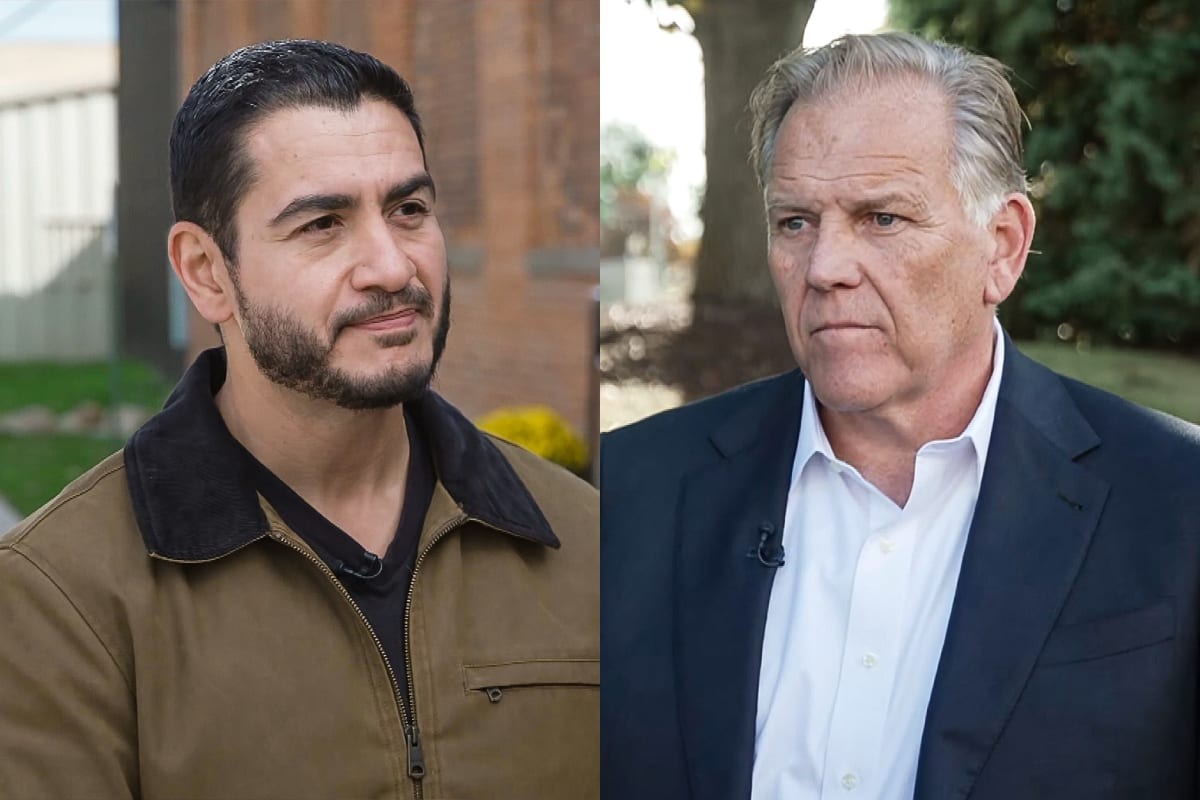
Democrat Abdul El-Sayed and Republican Mike Rogers clashed over the Iran war, political ties, and personal trust during their second Michigan Senate debate on Wednesday.
The debate took place in Detroit less than two weeks before Election Day. Both candidates are seeking an open Senate seat after Democratic Sen. Gary Peters announced his retirement. Polls showed a close race as the candidates made their final arguments to voters.
The meeting was less heated than their first debate earlier in the month. However, several exchanges became tense as the candidates challenged each other’s views and records.
El-Sayed focused much of his criticism on President Donald Trump and Rogers’ links to the Republican president. He argued that the Iran war had raised costs for American families and said the country needed action from Congress.
“We need a war powers resolution rather than a senator who is going to stand hip to hip with Donald Trump on this war that made no sense when it started and certainly makes no sense now,” El-Sayed said.
He also called for stronger action against large corporations, which he accused of using money and influence to shape politics.
Iran War Becomes a Key Debate Issue
The war with Iran has become an important issue in the Michigan Senate race. El-Sayed linked rising prices for gas and groceries to the conflict and said Congress should hold Trump accountable.
Rogers has tried to show some distance from Trump’s handling of the war. He released an advertisement calling for the conflict to wind down. However, he has also argued that there was a reason to launch military action against Iran’s nuclear program.
In an interview with NBC News last week, Rogers rejected the suggestion that Trump had made a mistake by starting the war.
The candidates’ positions show a difference in how they approach the conflict. El-Sayed has called for congressional action to limit the president’s war powers. Rogers has supported the initial goal of targeting Iran’s nuclear program while calling for the fighting to end.
The debate came as Republicans worked to retain control of Congress and Democrats sought to make the war and its costs central campaign issues.
Rogers Questions El-Sayed’s Background
Rogers also tried to challenge El-Sayed’s record and trustworthiness. He accused his opponent of giving voters inaccurate information about his medical background and alleged links to the Muslim Brotherhood.
The Muslim Brotherhood is an Islamist movement that began in Egypt. Rogers has raised the issue repeatedly in the final weeks of the campaign, including claims about El-Sayed’s family.
During Wednesday’s debate, Rogers said El-Sayed had asked the group’s leader in Egypt to defund the police there.
El-Sayed denied having any connection to the organization. He said Rogers continued to raise the issue because of his mother, who works as a nurse in Missouri.
“He keeps raising this question about this association with an organization I’ve never been a part of because of my mom, who’s a nurse in Missouri,” El-Sayed said.
The dispute also follows their first debate, when Rogers questioned El-Sayed about his mother, Fatten Elkomy, and her past work at a charity that the US government later labeled a supporter of terrorist groups. The charity closed after the case. Elkomy has not been accused of wrongdoing, according to reports cited in the debate coverage.
El-Sayed has repeatedly denied ties to the Muslim Brotherhood. In an interview with NBC News last week, he said, “I have no ties, we have no ties.”
He said the accusations were unfair and challenged Rogers’ decision to question his loyalty to the United States.
Tense Exchange Over the Constitution
The sharpest moment came when Rogers tried to interrupt El-Sayed as he responded to the allegations.
“I’m talking,” El-Sayed said, pointing his finger at Rogers. “I am talking. I’m talking. Excuse me.”
El-Sayed then said questioning his commitment to the Constitution was unacceptable. He stressed that he was proud to be American and supported the constitutional right of people to practice their faith.
“I’m proud of America. I’m proud to be an American,” he said. He added that the Constitution protects the right of all people to pray as they choose.
Rogers replied that El-Sayed could pray as he wished. He also accused his opponent of trying to present himself as a victim and said the debate was about ideology.
The exchange highlighted how personal the race has become. With Election Day approaching, both candidates are using the debate to challenge the other’s record and define the issues voters should consider.
The open Senate seat remains a closely watched contest. The candidates’ final campaign messages are likely to focus on the economy, the Iran war, trust, and their views on national security.
