


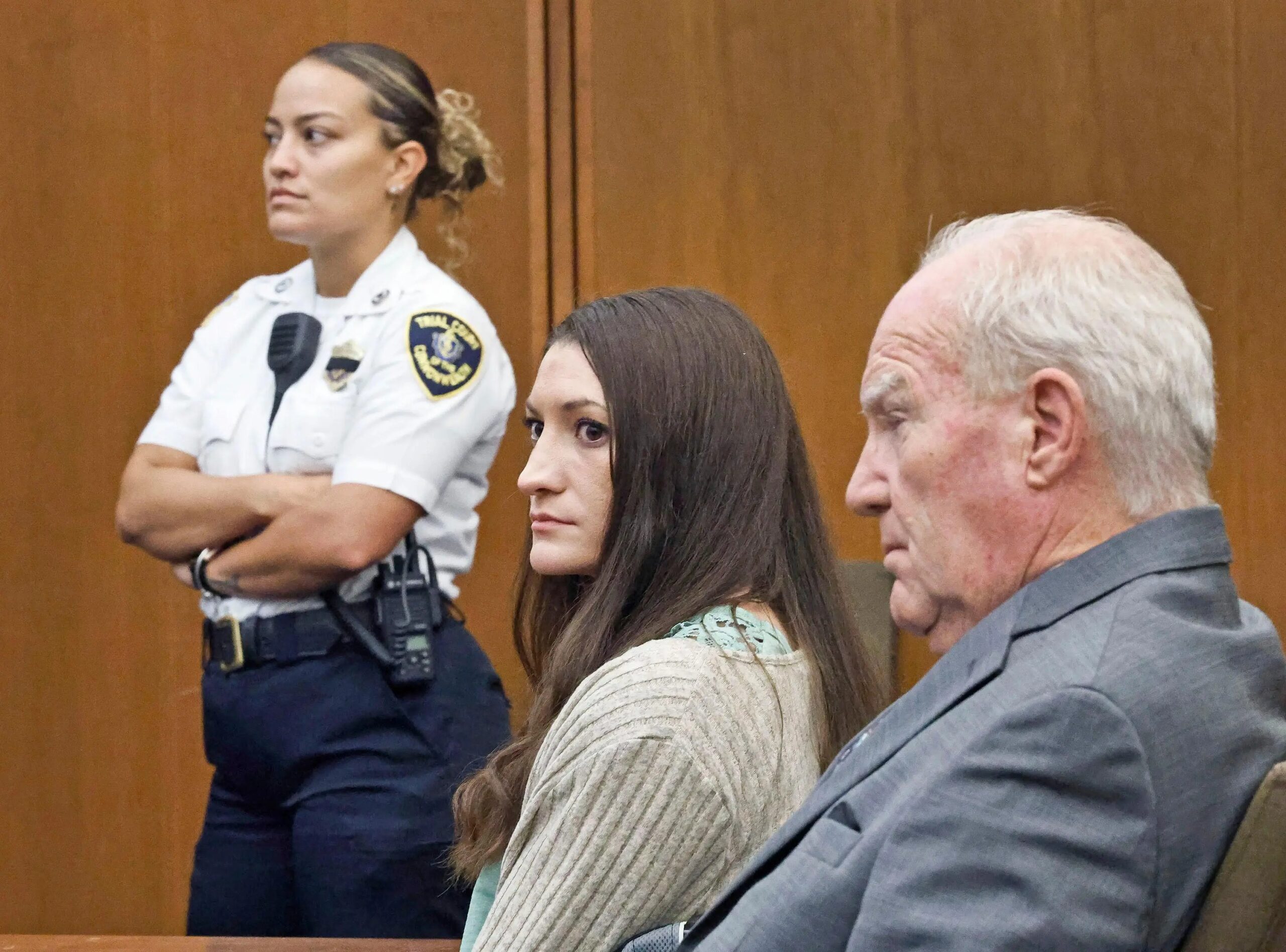
The criminal trial of Lindsay Clancy ended without a verdict after a Massachusetts judge declared a mistrial. The decision came after jurors spent days trying to reach a unanimous conclusion but remained divided.
The case drew national attention because it involved the deaths of Clancy’s three young children and raised difficult questions about postpartum mental illness and criminal responsibility.
Jurors in Plymouth spent more than 38 hours in deliberations following a trial that lasted several weeks. Despite repeated discussions, the 12-member jury could not agree on a verdict. Court records showed that the panel remained split by an 11-to-1 vote.
After receiving another note from the jury stating that members were still deadlocked, Judge William Sullivan declared a mistrial. The decision ended the current trial without resolving the charges against Clancy.
Before the mistrial became official, Clancy’s defense team made a final attempt to keep the case alive. Lawyers filed an emergency request asking a higher court to intervene. They argued that one juror was refusing to follow instructions about reasonable doubt and claimed the juror showed bias during deliberations.
Defense attorneys asked the court to question the juror and determine whether that person could continue serving fairly. They argued that the trial should not end in a mistrial when another option remained available.
The request was reviewed during a public court hearing. Lawyers from both sides presented arguments. After considering the matter, the higher court denied the request, allowing the mistrial to move forward.
Clancy, 36, was charged in connection with the deaths of her children, Cora, Dawson, and Callan, in January 2023. The children died inside the family’s home in Duxbury, Massachusetts.
Prosecutors argued that Clancy planned the killings and took steps to create an opportunity to carry them out. They told jurors that she sent her husband away from the home before the children were killed. According to investigators, the children were strangled with exercise bands during that period.
The prosecution maintained that the actions showed planning, awareness, and intent. They argued that Clancy understood what she was doing and should be held criminally responsible.
The defense offered a very different explanation. Lawyers said Clancy was suffering from severe postpartum psychosis and serious mental illness at the time of the tragedy. They argued that her condition prevented her from understanding the nature of her actions.
Throughout the trial, jurors heard testimony from relatives, doctors, psychologists, and mental health experts. Witnesses described Clancy’s struggles after the birth of her youngest child.
The defense said she experienced severe depression, anxiety, and disturbing mental symptoms. Lawyers noted that she had been prescribed numerous medications and had sought professional treatment before the deaths occurred.
One of the defense’s key witnesses was forensic psychiatrist Dr. Phillip Resnick. He testified that Clancy was suffering from psychosis when the children died. According to his testimony, her mental condition had become extremely severe.
Massachusetts law requires jurors to decide whether a defendant had the ability to understand the wrongfulness of their conduct and act within the law. That legal standard became the central issue in the case.
The jury’s inability to reach a unanimous decision means the criminal proceedings are not over. Prosecutors now must decide whether to pursue a second trial. A court conference has been scheduled later this month to discuss the future of the case.
Outside the courthouse, emotions remained strong. Prosecutors said their focus continues to be justice for the three children whose lives were lost. Defense attorneys expressed frustration and disappointment over the outcome.
Judge Sullivan thanked jurors for their service and acknowledged the difficult evidence they were required to review. He also suggested that if the case is retried, proceedings could take place later in the year.
In addition to the criminal case, Lindsay and Patrick Clancy have filed a civil lawsuit against healthcare providers. They claim medical professionals failed to properly diagnose and manage Clancy’s psychiatric condition before the tragedy.
For now, the Lindsay Clancy trial mistrial leaves one of the nation’s most closely watched criminal cases unresolved, with prosecutors expected to decide soon whether a new trial will move forward.
