


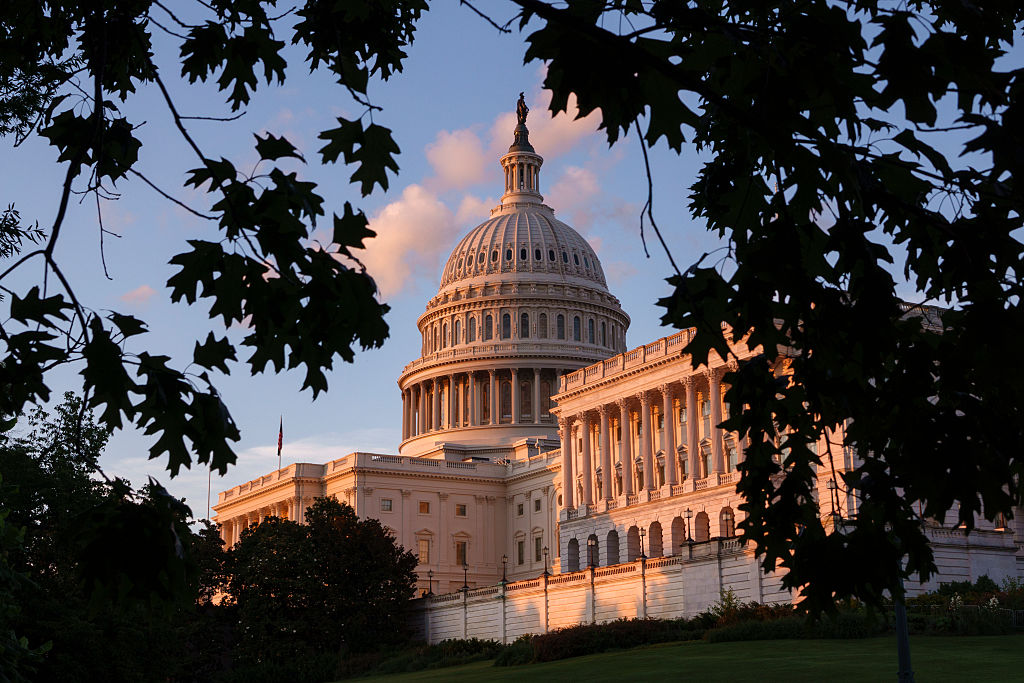
A new US government funding deal in Congress has helped reduce the risk of a federal government shutdown. Republicans and Democrats reached a compromise to move forward with key spending bills, creating relief in Washington after weeks of uncertainty.
The agreement is seen as an important political step that helps keep government operations running smoothly. Without a deal, parts of the federal government could have faced a shutdown, which would have disrupted services and delayed payments for many public programs.
Lawmakers from both parties worked to find common ground on spending priorities. The compromise allows funding bills to move forward, ensuring that government agencies continue to receive financial support. This helps maintain essential services such as public safety, national security, and administrative operations.
The US government funding deal is also being viewed as a sign of improved bipartisan cooperation. In recent years, budget negotiations have often been tense, with disagreements leading to delays and political uncertainty. This agreement suggests that both parties are willing to work together to avoid disruption.
A government shutdown typically happens when Congress fails to approve funding for federal operations. During a shutdown, many government workers are temporarily furloughed, and some services are reduced or paused. This can affect everything from national parks to federal offices and public services.
By reaching this compromise, lawmakers have reduced the immediate risk of such disruptions. The agreement helps provide short-term stability while longer-term budget discussions continue. It also gives federal agencies clearer guidance on future funding levels.
The deal includes movement on several key spending bills. These bills determine how government money is allocated across different departments and programs. While full details of the agreement vary, the focus remains on keeping essential government functions funded.
Political leaders have described the agreement as a practical solution to avoid unnecessary disruption. It reflects ongoing negotiations between parties that often hold different views on spending and fiscal policy. Despite these differences, both sides agreed that avoiding a shutdown was a priority.
The compromise also highlights the importance of negotiation in the US legislative system. Budget decisions require cooperation between the House of Representatives, the Senate, and the President. This structure often leads to complex discussions, especially when political divisions are strong.
Economists say that avoiding a shutdown is important for financial stability. Government shutdowns can create uncertainty in financial markets and delay economic activity. Businesses that rely on government contracts or approvals can also be affected during periods of closure.
Public workers also benefit from timely funding agreements. Federal employees depend on consistent budgets for job security and regular pay. A shutdown can create stress and financial pressure for thousands of workers and their families.
The US government funding deal is not a long-term budget solution, but it helps prevent immediate crisis conditions. Lawmakers are expected to continue discussions on broader fiscal policy in the coming months. These talks will likely include debates on spending limits, tax policy, and national priorities.
Observers say this agreement may help build momentum for future cooperation. While political disagreements remain, successful compromises like this can improve trust between parties. This is especially important in a divided political environment.
However, challenges still remain ahead. Future funding deadlines will require additional negotiations. If no long-term agreement is reached, the risk of future shutdown threats may return.
For now, the compromise provides relief and stability. It ensures that government services continue without interruption and reduces uncertainty for workers and citizens. The US government funding deal is seen as a positive step toward keeping federal operations stable while broader budget discussions continue in Washington.
