


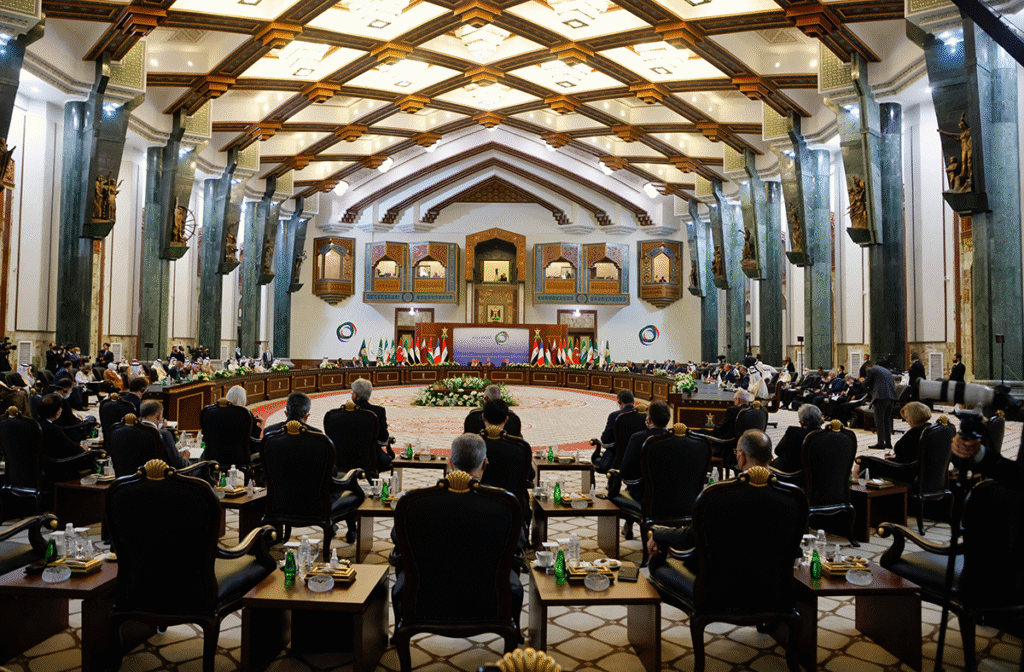
US diplomatic engagement in the Middle East is increasing as American officials work with regional allies on peace efforts. Diplomatic teams are actively coordinating talks and initiatives aimed at improving stability across the region.
Officials say US Middle East diplomacy is focused on building stronger communication between partner countries. The goal is to reduce tensions and support long-term peace discussions involving multiple stakeholders.
American diplomatic teams are engaging with several allies to align positions on regional security and conflict prevention. These discussions include cooperation on humanitarian support, ceasefire monitoring, and political dialogue frameworks.
The effort comes as the region continues to face ongoing tensions in multiple areas. US officials believe coordinated diplomacy can help reduce the risk of further escalation and encourage more structured negotiations.
Diplomats are also working on creating shared platforms for dialogue. These platforms aim to bring together different parties to discuss security concerns and long-term stability measures in a controlled setting.
Experts say US Middle East diplomacy plays a key role in connecting regional partners. The United States often acts as a mediator, helping facilitate communication between countries with strained relations.
The current engagement strategy also includes close coordination with international organizations. These partnerships are designed to support peace initiatives and ensure consistent diplomatic messaging across different actors.
Officials emphasize that progress will take time, as regional conflicts are complex and deeply rooted. However, continued engagement is seen as an important step toward reducing tensions.
Humanitarian concerns are also part of the discussions. Diplomatic teams are considering ways to improve aid access and civilian protection in conflict-affected areas.
Analysts say the renewed diplomatic activity reflects a broader effort to stabilize the region through cooperation rather than confrontation. This includes encouraging dialogue and avoiding escalation wherever possible.
At the same time, challenges remain in aligning the interests of different countries. Each party has its own priorities, which can make negotiations more difficult.
Despite these challenges, US officials remain committed to sustained diplomatic involvement. They believe consistent engagement is necessary to support long-term peace efforts.
The US Middle East diplomacy initiative is expected to continue through ongoing meetings and coordinated regional discussions in the coming months.
