


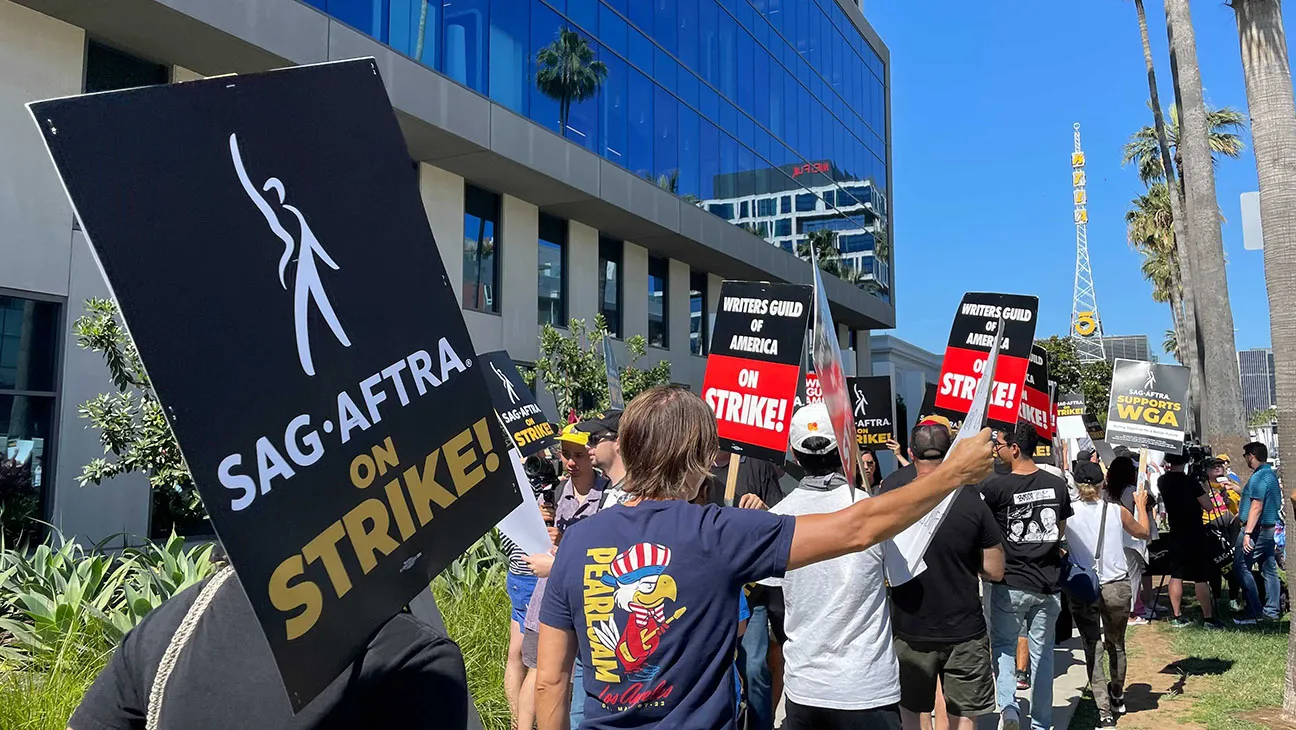
Hollywood is moving closer to stability as actors’ union SAG-AFTRA reaches a tentative agreement with major studios and streaming platforms. The SAG-AFTRA deal Hollywood is seen as an important step that could prevent another large-scale strike in the entertainment industry.
The agreement is described as a multiyear deal. It focuses on key issues that have caused tension between actors and studios in recent years. Two of the most important areas are streaming payments and the use of artificial intelligence in film and television production.
Streaming has changed how actors are paid. In the past, actors earned more from traditional TV reruns and box office success. Now, streaming platforms have changed how content is distributed and viewed. This has raised questions about fair payments for actors when shows become popular on digital platforms.
The new deal aims to improve how actors are paid for streaming content. This includes changes to residual payments, which are earnings actors receive when their work is reused or streamed. Many performers have argued that older payment systems do not reflect today’s digital viewing habits.
Another major part of the agreement involves artificial intelligence. AI tools are becoming more common in film and television production. Actors and performers have expressed concern about how their voices, images, and performances could be used without permission.
The tentative deal includes protections related to AI use. These rules are expected to limit how studios can use digital copies of actors. It also aims to ensure that performers give clear consent before their likeness is used in AI-generated content.
Industry experts say this issue is one of the most important in modern entertainment. As technology grows, the line between human performance and digital creation is becoming less clear. The agreement is seen as a way to set early rules for this fast-changing area.
The SAG-AFTRA deal Hollywood also reflects efforts to avoid disruption in film and television production. In recent years, strikes have caused delays in movie releases and halted TV production schedules. These disruptions have affected studios, workers, and audiences worldwide.
By reaching a tentative agreement, both sides are trying to avoid another major stoppage. A strike would have had a wide impact on the entertainment industry, including actors, writers, production crews, and streaming services.
Although the deal is not yet final, it is being viewed as a positive development. Both studios and union representatives are expected to continue discussions to finalize the agreement. Once approved, it could bring long-term stability to Hollywood production.
Actors’ representatives have pushed for fair treatment in the changing entertainment landscape. Many performers believe that the industry has evolved faster than existing contracts. The new agreement aims to close that gap and update rules for modern production methods.
Studios are also interested in reaching a stable agreement. Ongoing disputes can increase costs and delay projects. A long-term deal helps them plan production schedules more effectively and maintain steady content output for audiences.
The agreement highlights how important streaming platforms have become in the global entertainment market. These platforms now play a major role in how films and shows are distributed. This shift has forced the industry to rethink traditional payment and production systems.
AI technology is expected to continue growing in importance. The protections included in the SAG-AFTRA deal Hollywood show that both sides are aware of the need for clear rules. These rules may also influence future agreements in other parts of the entertainment industry.
For now, the tentative deal is being welcomed as a step toward progress. It signals cooperation between actors and studios after periods of tension. It also shows that both sides are willing to adapt to new technology and changing audience habits.
If finalized, the agreement could shape the future of Hollywood for years to come. It may also serve as a model for how creative industries handle streaming revenue and AI use in the digital age.
