


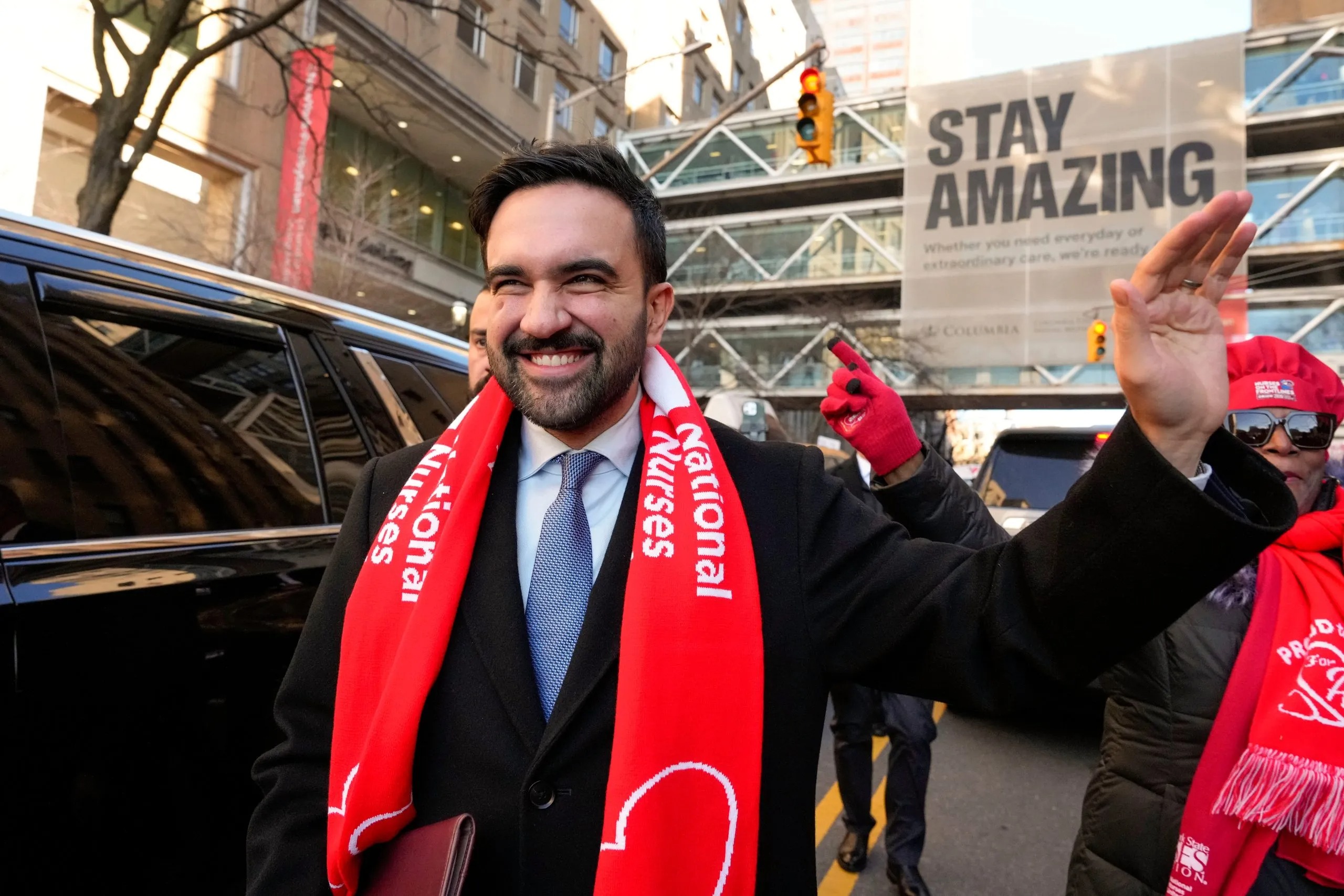
New York City Mayor Zohran Mamdani joined local leaders from across the United States on Monday in a new legal effort to block a Trump administration immigration rule that could make it harder for lawful immigrants to obtain green cards or visas.
The lawsuit was filed just days before the rule is scheduled to take effect on Friday. New York State Attorney General Letitia James also led a separate coalition of states in filing another lawsuit aimed at stopping the policy.
At the center of the dispute is a federal rule that would expand the authority of immigration officials when reviewing applications for green cards and visas. Under the new policy, officials would have greater flexibility to deny applications from lawful immigrants who are considered a “public charge,” meaning a person who relies on certain government assistance programs.
The proposed change would allow immigration officers to consider the use of programs such as Medicaid and food assistance when deciding whether an applicant should be allowed to remain in the United States through a visa or permanent residency status.
Mamdani strongly criticized the rule during a news conference at City Hall. He warned that the policy could have serious consequences for immigrant families and may discourage people from seeking essential health and nutrition services.
According to the mayor, millions of people could decide to stop using health care benefits because they fear it may affect their immigration status. He cited estimates suggesting that as many as 4 million people nationwide could lose health coverage if they avoid government programs. The estimate includes approximately 1.8 million children.
Immigrant advocacy groups also expressed concern about the possible impact of the rule. Arline Cruz Escobar, director of health programs at Make the Road New York, said many families are already worried about whether it is safe to use public assistance programs.
She said some parents have questioned whether they should continue receiving food assistance, health services for children with disabilities, or even free school meal programs. According to Escobar, families should not be forced to choose between basic needs and immigration security.
Supporters of the lawsuits argue that the rule could create fear among lawful immigrants and lead many families to avoid services that help protect public health and well-being. They say the policy could affect communities far beyond those directly applying for immigration benefits.
The Trump administration has defended the change. Federal officials argue that immigration authorities should consider whether applicants are likely to depend on public assistance in the future when making decisions about visas and permanent residency.
A spokesperson for the Department of Homeland Security said the government has a responsibility to ensure that public resources are used appropriately. The department also argued that sanctuary jurisdictions are concerned about losing federal support if fewer noncitizens participate in government assistance programs.
Administration officials maintain that the rule is designed to promote self-sufficiency among immigrants seeking legal status in the United States.
The policy applies only to immigrants who are lawfully present in the country and are seeking changes to their immigration status. People living in the United States without legal authorization are generally not eligible for most federal assistance programs and would not normally be applying for standard green cards or visas under the affected process.
New York City is leading a coalition that includes several major cities and counties across the country. Participants in the lawsuit include Chicago, San Francisco, Seattle, Santa Clara County in California, and King County in Washington.
The legal challenge was filed in federal court in New York. The coalition argues that the administration exceeded its authority by expanding the definition of a public charge beyond limits established through previous legal decisions and immigration policies.
Chicago Mayor Brandon Johnson also criticized the rule. He said immigrant families should not have to choose between receiving medical care, buying food, or protecting their ability to stay in the country legally.
Meanwhile, Attorney General Letitia James and a coalition of states filed a separate lawsuit seeking similar relief. The states are asking the court to prevent the rule from taking effect while legal challenges move forward.
The lawsuits set up another major legal battle over immigration policy as courts prepare to decide whether the administration can proceed with the expanded public charge standard. With the rule scheduled to begin this week, judges may soon determine whether it can be enforced while the cases continue through the legal system.
