


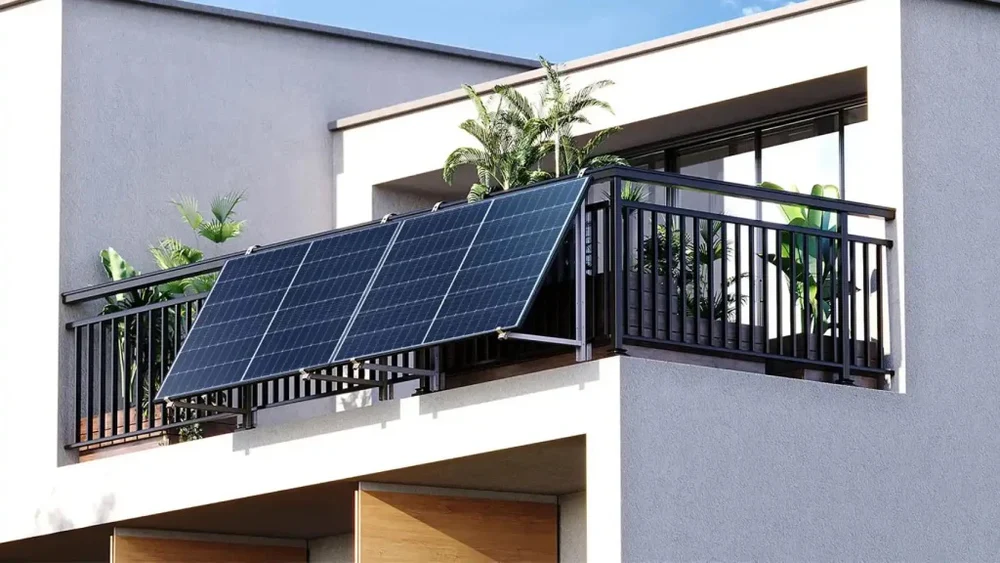
US communities are seeing a new rise in plug-in solar energy adoption. A new wave of low-cost solar panels is spreading across several states. New England regions are leading this shift. Local officials say approvals are faster than before. Households can now install simple plug-in systems with fewer barriers.
Officials in New England say demand for clean energy is growing. Many families want cheaper electricity options. Plug-in solar panels are easier to use than large rooftop systems. They do not always need complex installation. This makes them attractive for renters and small homes.
The new plug-in solar systems are designed for simple setup. Users can connect them to home outlets or small battery units. This reduces the need for professional installers. Experts say this lowers the cost for many households. It also speeds up adoption in urban and suburban areas.
State energy boards have started to approve more plug-in solar products. The approval process is faster than traditional solar permits. This helps companies bring products to market quickly. It also encourages competition in the renewable energy sector.
Industry analysts say plug-in solar energy adoption could grow rapidly over the next few years. Lower costs and easier setup are key reasons. Many states are now reviewing similar programs. Some experts believe this trend could reshape residential energy use.
The growth of plug-in solar technology also supports climate goals. It reduces reliance on fossil fuels in small households. Communities see it as a step toward cleaner energy use. However, experts warn that grid balance and safety rules must be followed.
Local installers and retailers are also seeing increased interest. Some companies are offering plug-in solar kits with batteries and monitoring apps. These tools help users track energy savings in real time. This improves awareness and adoption among first-time users.
Experts say education will play a key role in future growth. Many households still need clear guidance on installation and safety. Governments and private groups are planning awareness programs. These efforts aim to make solar energy more common in daily life.
With continued investment, plug-in solar energy adoption is expected to expand beyond New England. Other US regions are likely to follow this model. The trend shows a shift toward simpler renewable energy solutions for everyday users.
Researchers and policymakers say the focus will remain on affordability and efficiency. Plug-in solar systems may become a standard option for homes in the future. The latest developments suggest steady progress in clean energy technology.
Economists say plug-in solar systems could reduce household energy bills over time. Even small systems can offset daytime electricity use. This is important in regions with rising power costs. Families are looking for long-term savings.
Regulators are carefully reviewing safety standards for plug-in solar devices. They want to ensure safe use in all housing types. This includes apartments, rented homes, and small buildings. Clear rules are being developed to support safe expansion.
Technology companies are also improving plug-in solar design. New models are lighter and easier to install. Some systems now include smart tracking features. These features help users manage energy use more efficiently.
Experts say the US trend could influence global markets. Other countries may adopt similar plug-in solar systems. This could help expand renewable energy access worldwide. The shift reflects growing demand for simple clean energy solutions.
Some challenges remain for plug-in solar expansion. Not all homes have suitable electrical setups. Weather conditions can also affect performance. Experts say continued innovation will help solve these issues.
Despite challenges, interest continues to grow among households and small businesses. Many see plug-in solar as a practical step toward clean energy independence. The sector is expected to keep expanding in coming years.
Policy experts believe strong coordination between states will speed adoption further. Shared guidelines and funding programs can help reduce costs and improve access. This cooperation may define the next phase of renewable energy growth in the United States.
