


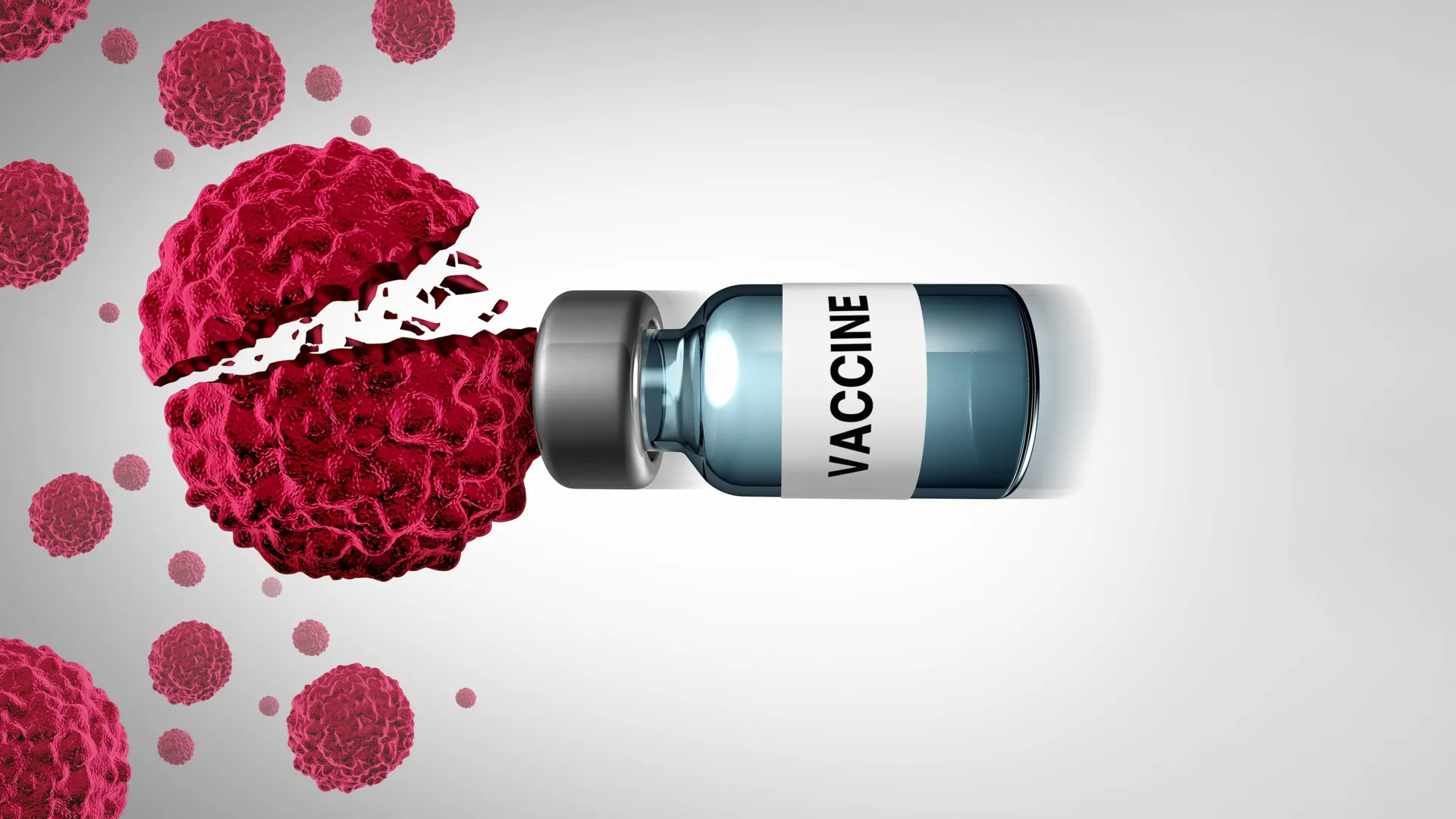
US biotech scientists have announced a new finding that may strengthen mRNA-based medicine. The discovery focuses on a simple molecular method. It may improve how mRNA drugs enter human cells. This could help future vaccines and gene therapies work better. The research is still early, but it shows strong promise. Experts say this could become an important step in modern medicine. The study brings attention to how small changes in molecules can affect large biological systems. It may also help reduce waste of medicine in the body.
Researchers explain that mRNA therapies work by delivering genetic instructions into cells. These instructions tell the cell how to make proteins. These proteins can fight disease or trigger immune response. The challenge is that many mRNA drugs break down before reaching their target. The new method helps protect these molecules. It improves stability during delivery. Scientists used amino-acid interactions to guide this process. This makes the delivery system more efficient and more reliable. Early tests show improved performance in lab models.
One key part of the study is a discovery involving amino acids. These are small building blocks of proteins. Scientists found that certain amino acids can help guide mRNA molecules. They can also protect them from breaking down too quickly. This helps increase the amount of medicine that reaches cells. The method is simple and does not require complex engineering. Researchers believe this could lower production costs. It may also make treatments easier to scale for global use. The approach could be adapted for many types of mRNA drugs.
This mRNA therapy boost discovery may have wide uses in medicine. Vaccine development could become faster and more stable. Gene therapy may also become more effective. Doctors could use smaller doses of medicine. This would reduce side effects in some patients. The method may also help treat rare diseases. It could improve how personalized medicine is designed. Scientists say it may support faster response during future outbreaks. The method is flexible and can be adjusted for different diseases.
Experts note that more research is still needed. The findings must be tested in human trials. Safety checks are also important. Scientists must confirm long-term effects. mRNA treatments are powerful but must be handled carefully. Small changes in delivery systems can affect results. Researchers will continue to study how amino-acid methods behave in real conditions. Regulatory approval will take time. However, early results give hope for future advances in biotech.
Scientists believe this area of research will grow quickly. The method could become part of next-generation therapies. It may improve how diseases are treated worldwide. The focus on mRNA systems is increasing in many labs. This discovery adds strong support to that trend. Researchers hope it will lead to safer and more effective medical solutions. Continued work will determine how far this approach can go in real world use.
mRNA technology became widely known during recent global vaccine efforts. It showed that genetic instructions can be used to teach the body how to fight disease. Since then, scientists have worked to improve its stability and delivery. One main challenge has been keeping mRNA intact long enough to reach cells. This new amino-acid based method may help solve that problem. It builds on years of research in molecular biology and biotechnology. Experts say this progress shows how fast the field is moving.
This discovery may also influence pharmaceutical companies. Better delivery systems can reduce waste in drug production. It can also improve patient outcomes by increasing effectiveness. If confirmed in clinical trials, the method could be used in many treatments. It may also support rapid vaccine updates in future outbreaks. Scientists plan to test the method in more complex biological systems next. The goal is to move from lab results to real medical use as safely as possible.
Overall, the study marks an important step in improving mRNA therapy delivery. It highlights how small molecular changes can create large medical benefits in the future.
