


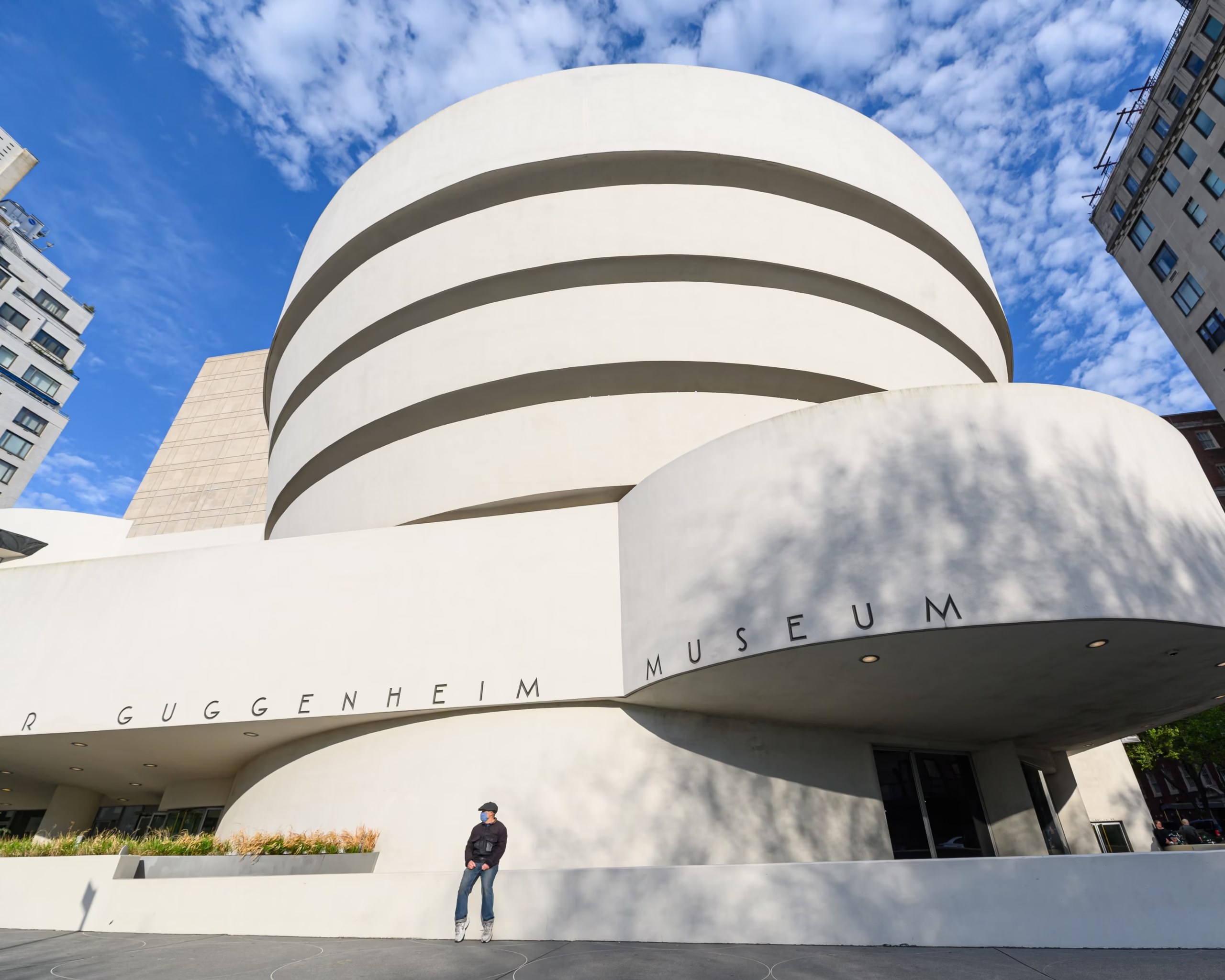
A recent Legionnaires disease outbreak has led New York City health officials to order cleaning and disinfection work at dozens of buildings on Manhattan’s Upper East Side after cooling towers tested positive for Legionella bacteria. Among the buildings listed was the Solomon R. Guggenheim Museum, one of the city’s best-known cultural landmarks.
The city health department released a list of 31 buildings that were directed to clean and disinfect their cooling towers. Officials said 19 buildings, including the Guggenheim Museum, had already completed the required work. The remaining buildings were expected to finish the process by the stated deadline.
Health officials stressed that a positive test for Legionella bacteria does not mean a building caused the outbreak. The laboratory tests used during the investigation cannot determine whether the detected bacteria are alive or dead. As a result, investigators continue to examine possible sources while taking preventive action across the affected area.
The Guggenheim Museum remained open throughout the testing and cleaning process. Museum officials said there was no need to close the building because city authorities confirmed that no additional safety measures were required.
In a public statement, the museum said it regularly hires an outside company to inspect, test, and treat its cooling tower every month. Officials added that the city confirmed there is no current risk to visitors, staff, or anyone inside the building.
The Guggenheim Museum is one of New York City’s most recognized landmarks. Designed by architect Frank Lloyd Wright, the building is known for its unique circular design and is recognized as a UNESCO World Heritage Site. Thousands of visitors from around the world visit the museum each year.
The latest outbreak has affected more than 50 people in the Upper East Side area. According to city health officials, fewer than 20 patients remain in the hospital, and no deaths have been reported during this outbreak.
The situation has reminded many residents of a major outbreak that occurred in Harlem last year. During that event, more than 100 people became ill and seven people died. Health investigators later linked the outbreak to contaminated cooling towers at a hospital and a nearby construction site.
Legionella bacteria naturally grow in warm water. They can multiply inside building water systems when conditions allow. Cooling towers, hot tubs, decorative fountains, and some plumbing systems can become sources if they are not properly maintained.
Cooling towers are usually located on rooftops and help remove heat from large air conditioning and refrigeration systems. Health experts note that these towers do not affect drinking water inside buildings and are separate from indoor air conditioning systems used by visitors and workers.
Legionnaires’ disease does not spread from one person to another. Most people become infected after breathing tiny water droplets that contain the bacteria. Early identification and proper treatment often help patients recover, especially when medical care begins quickly.
Symptoms usually appear between two days and two weeks after exposure. Common signs include fever, cough, headache, muscle pain, chills, chest discomfort, and shortness of breath. Anyone who develops these symptoms after possible exposure should seek medical advice, particularly if symptoms become severe.
Some people face a higher risk of serious illness. Adults aged 50 and older, smokers, people who vape, individuals with chronic lung disease, and those with weakened immune systems are more likely to develop severe infections.
Health officials continue to monitor the outbreak while collecting environmental samples and reviewing possible sources of contamination. Building owners have also been reminded to follow maintenance rules for cooling towers and water systems to reduce the risk of bacterial growth.
The city says routine inspections, regular cleaning, and quick action after positive test results remain the best ways to limit the spread of Legionella. Officials continue to encourage residents to stay informed through public health updates as the investigation moves forward.
