


Washington, D.C., has settled with a local man who sued the city after he was detained while protesting the deployment of National Guard troops using the famous Darth Vader theme from the Star Wars films. The agreement resolves the claims against the city, although part of the legal case is still moving forward.
The settlement was announced by the American Civil Liberties Union, which represented protester Sam O’Hara in the lawsuit. The organization confirmed that O’Hara will receive financial compensation, but the amount and other terms of the agreement were not immediately released.
Officials from the mayor’s office referred questions about the settlement to the Metropolitan Police Department and the Office of the Attorney General for the District of Columbia. Neither office had released additional details at the time of the announcement.
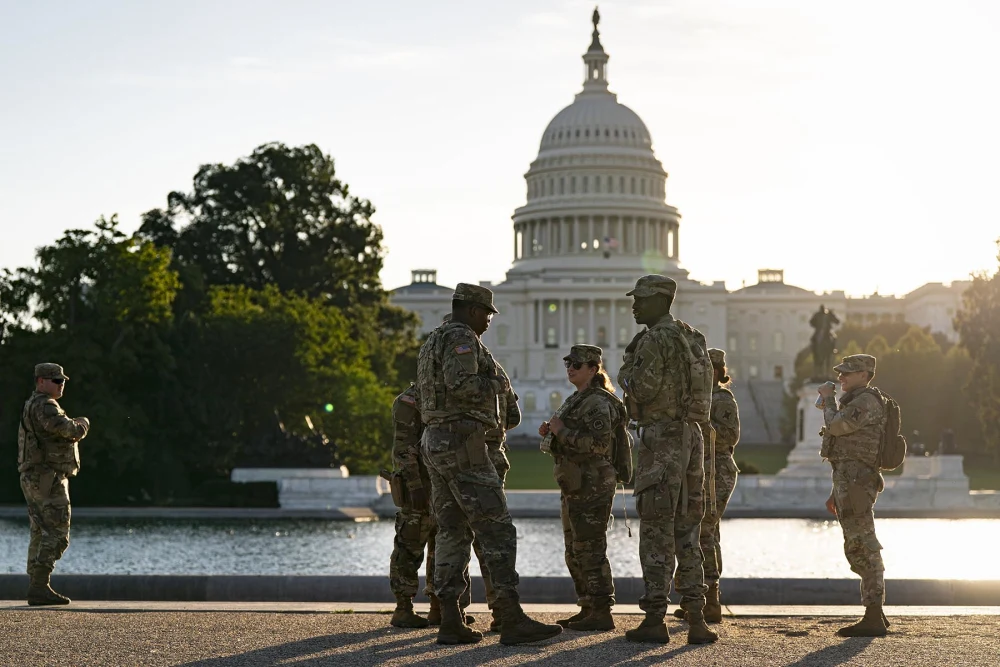
The dispute began in September 2025 after President Donald Trump ordered National Guard troops to Washington, D.C. O’Hara opposed the deployment and created a peaceful protest by following groups of Guard members while playing “The Imperial March,” the well-known musical theme associated with Darth Vader in the Star Wars franchise.
According to the lawsuit, O’Hara used his mobile phone and, at times, a small speaker to play the music at a moderate volume. He also recorded the encounters and posted the videos on TikTok, where they attracted millions of views. The lawsuit argued that the music was intended as political satire and a form of protected free speech.
One of the National Guard members featured in the videos was Sgt. Devon Beck of the Ohio National Guard. Court documents state that Beck warned O’Hara to stop following the patrol and said police would be called if he continued. O’Hara continued recording, and Metropolitan Police officers later arrived at the scene.
The lawsuit claimed officers detained O’Hara, placed him in handcuffs, and violated his constitutional rights by stopping a peaceful protest. His attorneys argued that the First Amendment protects political demonstrations, including symbolic forms of expression such as music and satire.
The legal action named Sgt. Beck, several police officers, and the District of Columbia as defendants. While the city has now agreed to settle its portion of the case, O’Hara’s claims against Beck remain active in federal court.
Lawyers representing the federal government have asked the court to dismiss the claims against Beck. They argued that he is protected by qualified immunity because he acted within his official duties. Government attorneys also said O’Hara’s actions could reasonably have been viewed as interfering with the patrol’s ability to carry out its mission.
According to court filings, officials argued that an armed patrol must remain aware of its surroundings and maintain the ability to hear potential threats. They also stated that repeatedly following Guard members while broadcasting music could reasonably cause concern for the safety and effectiveness of the patrol.
Attorneys further argued that Beck and the other Guard members could have viewed O’Hara’s actions as harassment after he ignored requests to stop following them. They said this could have created concerns about possible risks to the patrol and public safety.
The Justice Department declined to comment on the city’s settlement, while the Ohio National Guard had not issued a public response. The remaining legal dispute involving Sgt. Beck is expected to continue in court.
The DC Protest Settlement highlights ongoing debates about the balance between public safety and constitutional rights during political demonstrations. Courts have long recognized that peaceful protests receive First Amendment protection, but disputes often arise when officials believe certain actions interfere with law enforcement or military operations.
Although the agreement resolves O’Hara’s claims against the District of Columbia, the outcome of the remaining lawsuit could further clarify how constitutional free speech protections apply during encounters between protesters and government officials. The final decision may also influence how similar demonstrations are handled in the future.
