


The Trump administration is moving ahead with a plan to restrict imports of new Chinese optical transceiver models despite opposition from major American technology companies. The proposed action is part of Washington’s wider effort to reduce possible security risks linked to Chinese technology. Companies including Amazon, Google, Meta, Microsoft, CoreWeave and Cisco have raised concerns about the plan and warned that replacing Chinese equipment could take years.
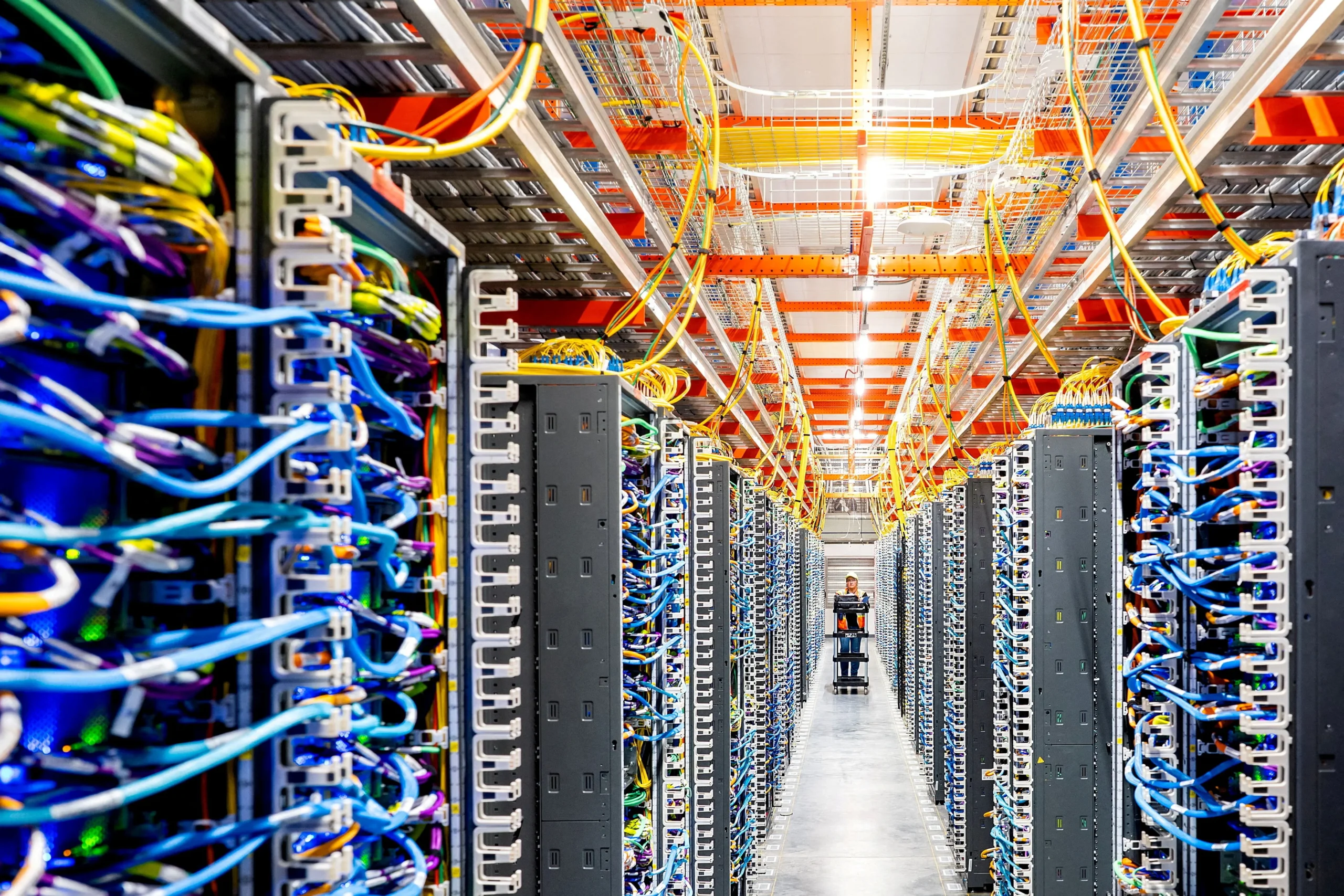
Optical transceivers are important parts of modern data networks. They help move information between computers, servers and communication systems. Large data centres depend on these devices to handle the huge amount of information needed for cloud computing and artificial intelligence. China supplies about two-thirds of the global market for optical transceivers, making it an important source for companies that operate large digital networks.
The technology companies have warned that a sudden change in supply could create serious problems. They say replacing Chinese equipment may take up to a decade in some cases. American manufacturers Coherent and Lumentum are among the companies that could help supply alternatives, but they do not currently have enough capacity to replace Chinese vendors quickly. A long transition could increase costs and delay major technology projects.
Officials in Washington argue that the proposed restrictions are needed to protect national security. They fear that Chinese-made equipment could be used to steal data, install harmful software or disrupt important services. These risks are especially serious because data centres support financial services, government operations and other critical systems. A security problem affecting a major network could have consequences far beyond one company.
The technology companies have also warned about possible retaliation from Beijing. China could restrict exports of indium phosphide, a material used in the production of optical transceivers. Such a move could create further supply problems for American manufacturers. The warning shows how closely connected global technology supply chains have become and how difficult it can be to separate national security policy from commercial interests.
The proposal comes amid growing tensions over artificial intelligence and advanced computer chips. Washington has already taken steps to limit China’s access to certain technologies. Recent concerns about Nvidia and reports of restricted chips reaching Chinese interests have added to pressure on the government. Officials believe the United States must protect technologies that could support military or strategic activities.
The Federal Communications Commission has recently placed restrictions on imports of other Chinese technologies. The administration says these measures have encouraged investment in American manufacturing and created jobs. However, businesses are concerned that new limits could raise costs and make it harder to expand digital infrastructure.
The debate highlights the challenge facing the United States as it tries to protect national security while supporting its technology industry. Strong safeguards may reduce certain risks, but sudden changes can also disrupt supply chains. The final impact of the proposed restrictions will depend on how the government balances security concerns with the need for reliable and affordable equipment.
For technology companies, the next step will be to understand how the restrictions could affect their operations. They may need to find new suppliers, review existing equipment and plan for a longer transition. The issue is likely to remain an important part of US-China economic relations as both countries compete for leadership in advanced technology.
