


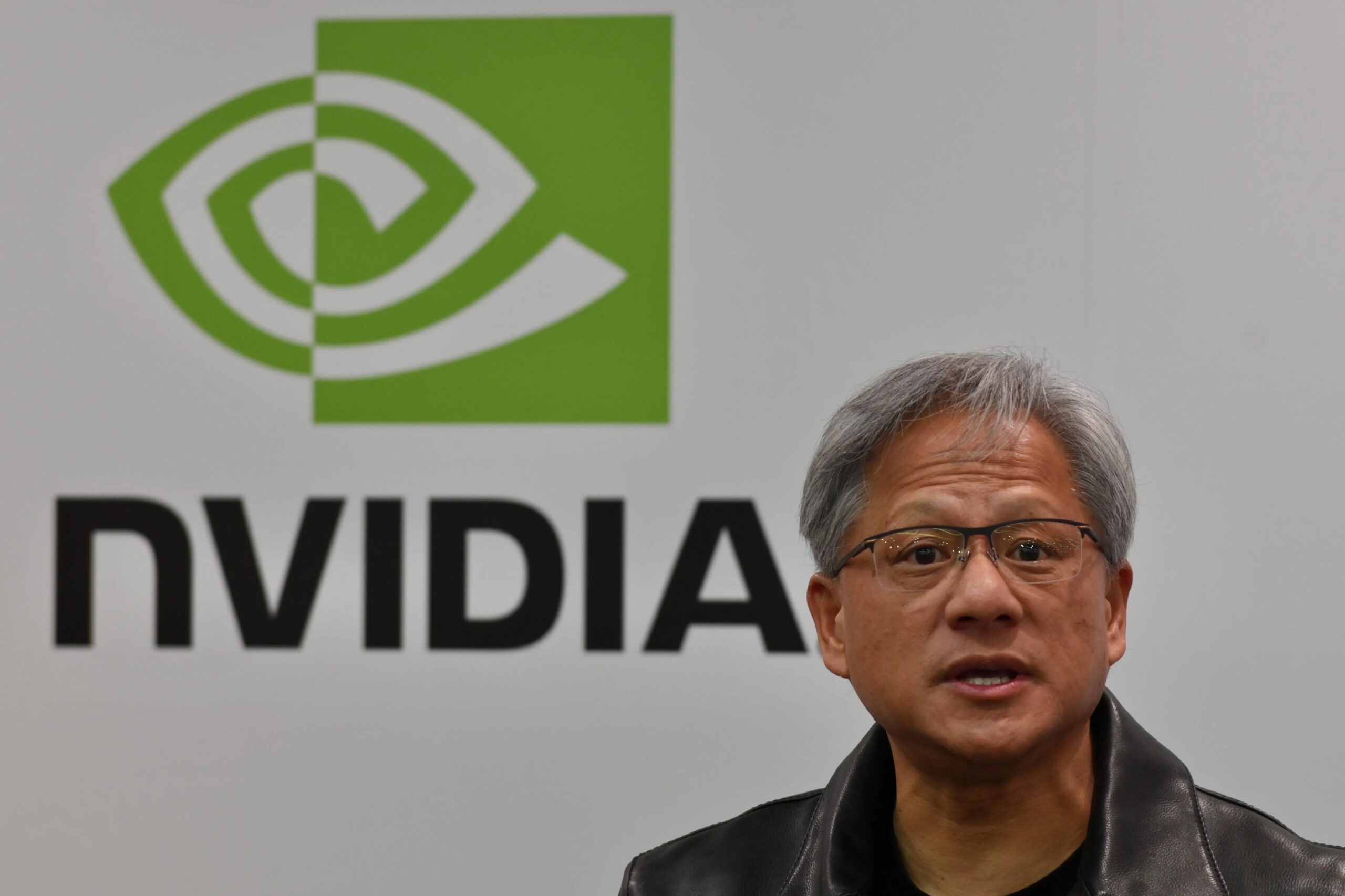
Nvidia CEO Jensen Huang Faces Possible RemovalNvidia’s board is considering a major leadership change as pressure grows on founder and Chief Executive Jensen Huang. Some directors reportedly favour appointing Chief Financial Officer Colette Kress as interim CEO if the company decides to remove Huang from the top position.
The full board has not reached a final decision. Directors are scheduled to meet on Wednesday evening to discuss the company’s leadership and the growing concerns surrounding its chief executive. The meeting could mark a turning point for the world’s most valuable artificial intelligence chipmaker.
Reports say Nvidia has begun preparing for the possibility of Huang’s departure. The board has also informed the White House about its planned meeting, according to a senior US administration official. The reported discussions come after media coverage of Huang’s alleged second extramarital affair and claims involving a suspected Chinese intelligence operative.
Nvidia has reportedly hired an outside executive search firm to identify possible candidates for the top job. One name under consideration is Johny Srouji, Apple’s senior hardware executive. Srouji was also considered for the chief executive position at Intel in 2019, according to people familiar with the matter.
Kress has emerged as a possible temporary replacement because of her senior role in Nvidia’s financial operations. As chief financial officer, she has been closely involved in managing the company’s finances during its rapid expansion. However, the board has not confirmed that she will take over if Huang leaves.
The uncertainty has already affected investor confidence. Nvidia shares fell more than 8% in after-hours trading, reaching a 52-week low. The sharp decline reflects concerns about the company’s leadership and the possible impact of the controversy on its business. Nvidia representatives did not immediately comment on the reported board discussions.
Huang’s possible removal would be a dramatic development for a company that has become one of the central forces behind the global AI boom. Nvidia supplies advanced processors used by major technology companies to build and operate artificial intelligence systems. Its market value has reached around $4 trillion, making its leadership decisions important to investors and the wider technology sector.
The controversy extends beyond Huang’s personal life. Nvidia’s board has reportedly launched an investigation led by law firm Wachtell Lipton. The inquiry is examining whether Huang may have disclosed sensitive company information or created risks for US national security through his reported relationship with a suspected Chinese spy.
The investigation comes at a sensitive time for Nvidia. The company is not only a leading chip supplier but also has financial interests in the expansion of artificial intelligence infrastructure. It has entered into major financing arrangements worth billions of dollars to support the development of AI systems and related facilities.
These activities have increased scrutiny of the company’s relationships with business partners and government officials. Any evidence that sensitive information was shared or that national security rules were put at risk could have consequences beyond Nvidia’s boardroom.
The issue has also drawn attention from Democratic lawmakers in Washington. Senators Chris Coons of Delaware and Elizabeth Warren of Massachusetts sent a letter to senior members of President Donald Trump’s administration on Wednesday. They asked officials to preserve documents and communications connected to Nvidia’s exports of advanced chips to China.
The senators addressed their request to Commerce Secretary Howard Lutnick, Secretary of State Marco Rubio and White House Chief of Staff Stephen Miller. They also sought records concerning Huang, the suspected Chinese operative linked to the affair and communications between Huang and Trump.
In their letter, Coons and Warren raised concerns about the government’s ability to enforce restrictions on advanced technology exports. They pointed to reports that officials in the White House, State Department and Commerce Department had been aware of concerns involving Nvidia, its relationship with Megaspeed and a suspected Chinese intelligence operation.
The lawmakers questioned whether the government had taken sufficient action to prevent advanced AI chips from reaching China or other parties that could divert them there. Their request for records is intended to preserve information that may help establish what officials knew and when they knew it.
The developments place Nvidia under pressure on several fronts. Its directors must consider leadership stability, investors are watching the share price, and US lawmakers are seeking answers about export controls and national security.
For now, Huang remains the company’s chief executive, and the board has made no formal announcement about his future. However, the reported search for possible successors and discussions about an interim leader suggest that Nvidia is preparing for a significant change if the investigation leads to his removal.
