


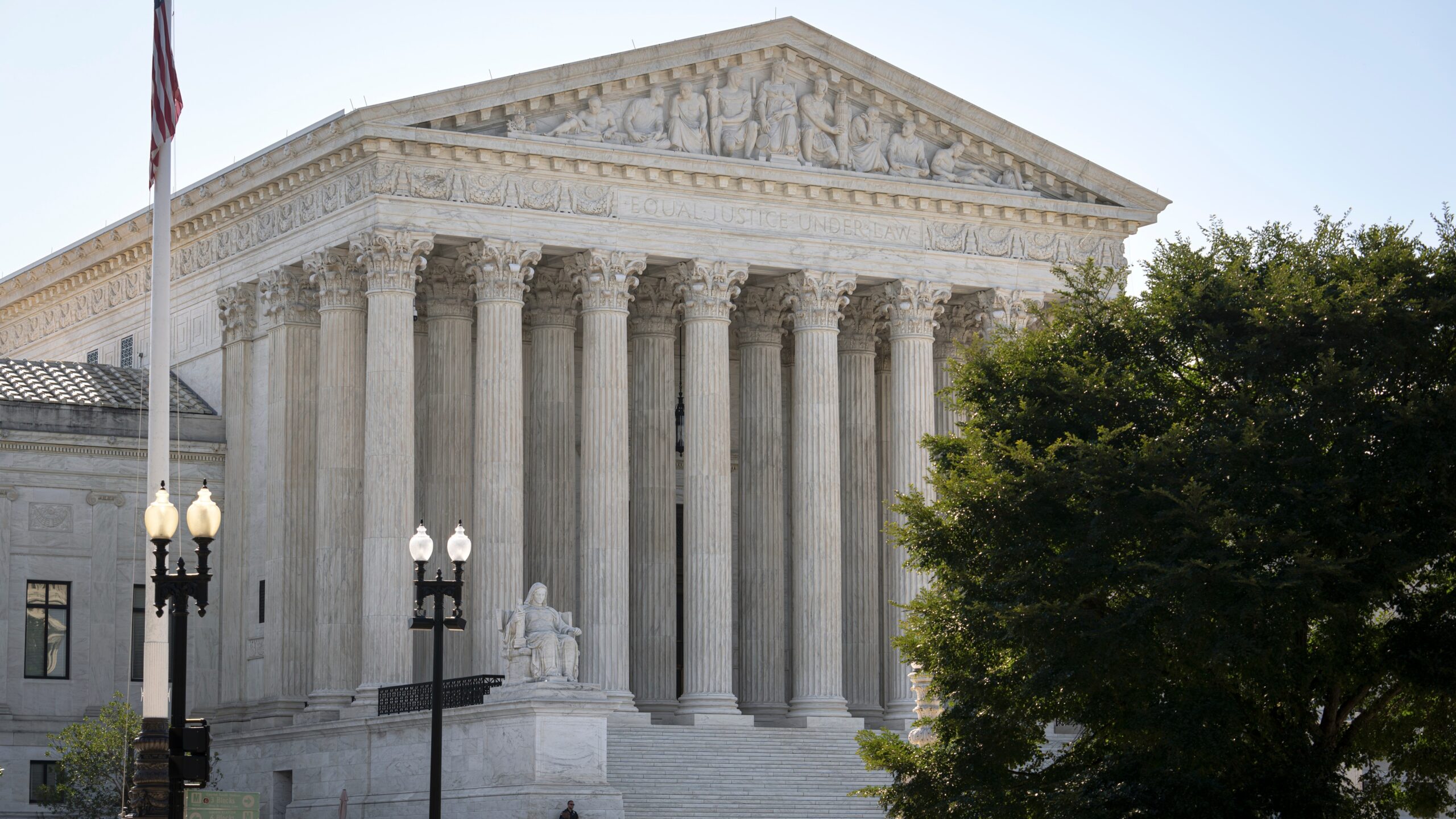
The Supreme Court on Monday rejected a request from President Donald Trump’s administration to enforce new mail ballot restrictions before the 2026 midterm elections. The decision allows states to continue using their current mail voting systems as ballots are already being sent to voters across the country.
The ruling is a significant defeat for the administration, which had argued that stricter rules were needed to improve election security. Election officials, however, warned that changing voting procedures only weeks before a national election would create confusion and disrupt the voting process.
The court’s emergency order keeps existing mail voting procedures in place while legal challenges continue. The majority did not provide a detailed explanation for its decision. However, the justices indicated that the administration’s proposal is unlikely to succeed in court.
Justices Samuel Alito and Clarence Thomas dissented from the ruling. Alito argued that the Postal Service has broad authority over mail operations and may have the legal power to enforce the proposed ballot requirements.
Justice Brett Kavanaugh agreed that the restrictions should not take effect before the midterms. At the same time, he suggested that the legal questions involved could return to the Supreme Court in the future for a full review.
The decision came as election officials in several states had already begun mailing ballots to voters. States such as Alabama, North Carolina, and Wisconsin started distributing ballots in recent days, making it difficult to introduce new requirements before Election Day.
The administration’s plan would have required states to use a standard envelope design for mail ballots. States also would have needed to submit voter eligibility information through a national online system. Under the proposal, the Postal Service could refuse to handle ballots from states that failed to meet the requirements.
Election officials said the changes would have required major adjustments to systems that were already operating. Many states noted that they had spent months preparing for the election under existing rules.
States that rely heavily on mail voting were among the strongest opponents of the proposal. Officials argued that sudden changes could delay ballot delivery and create uncertainty for voters.
Washington Secretary of State Steve Hobbs welcomed the ruling. He said election officials can now continue preparing for a secure and accurate election without making major changes to established procedures.
Arizona Secretary of State Adrian Fontes also supported the decision. He said election systems can be both secure and accessible and that voters should not be forced to choose between the two.
Utah Lt. Gov. Deidre Henderson said the ruling provides certainty for voters in her state. Utah conducts much of its voting by mail and has used the system successfully for years.
The White House and the Justice Department did not immediately comment following the ruling. In earlier statements, administration officials described the restrictions as practical measures designed to strengthen confidence in election results.
Voting rights groups and several state governments challenged the plan in court soon after it was announced. They argued that the president does not have the constitutional authority to create nationwide election rules that could dramatically affect voting methods in individual states.
Legal filings also raised concerns about the administration’s proposed online voter portal. A whistleblower report suggested that technical problems within the system could lead to ballot processing errors. According to the report, a single barcode mistake could result in large batches of ballots being rejected.
Several states told the courts that they lacked the time and resources to redesign election systems before the midterms. They warned that voters could face confusion if rules changed after ballots had already been prepared and mailed.
The League of Women Voters, one of the organizations involved in the legal challenge, called the proposal an attempt to interfere with voting. The group argued that election rules should remain stable as voters begin casting ballots.
Federal courts previously blocked the restrictions before the issue reached the Supreme Court. Judges ruled that the administration could not move forward with the plan while legal challenges remained unresolved.
Trump has long criticized mail voting and has often claimed it creates opportunities for fraud. Election experts and studies, however, have repeatedly found that fraud involving mail ballots is extremely rare. Research published in 2025 reported only a handful of fraud cases among millions of mail ballots cast.
The Supreme Court’s decision means voters across the country will continue using existing mail voting systems during the 2026 midterm elections. For now, election officials can move forward with preparations without making major last-minute changes to voting procedures.
