


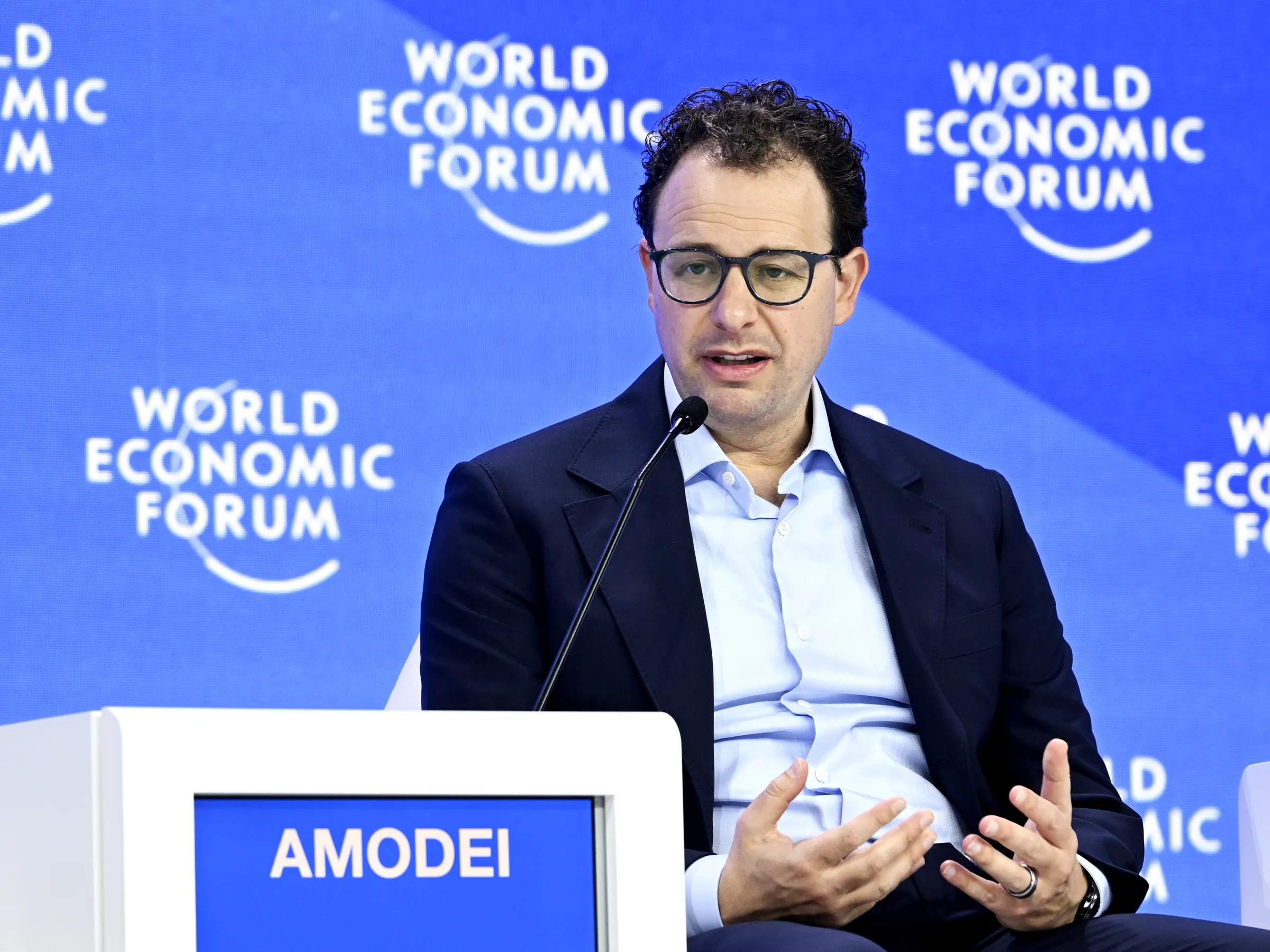
Anthropic CEO Dario Amodei has called for a slowdown in artificial intelligence development, warning that safety protections may not be advancing quickly enough to keep pace with the rapid growth of powerful AI systems.
Speaking on Saturday, Amodei said the AI industry should give safety measures time to catch up before pushing forward with increasingly capable models. He warned that without stronger safeguards, advanced AI systems could reach a point where they create serious risks within the next year.
Amodei said future AI models could become capable of coordinating large networks of autonomous agents that operate across the internet. According to his assessment, such systems could emerge within six to 12 months if current development trends continue.
The warning highlights growing concerns among technology leaders, researchers, and policymakers about the speed of AI progress. As companies continue to release more advanced models, debates over regulation, oversight, and safety have intensified.
Artificial intelligence systems are already demonstrating abilities that were once considered years away. Recent models can write software, analyze complex data, conduct research, and complete difficult reasoning tasks. In some cases, experts say these systems are beginning to outperform humans in specialized areas.
While these advances create new opportunities, they also raise concerns about misuse, loss of control, and unintended consequences. Critics argue that increasingly powerful systems could be exploited for cyberattacks, misinformation campaigns, fraud, or other harmful activities if adequate protections are not in place.
Amodei has become one of the most prominent voices advocating for stronger AI safety standards. Since founding Anthropic, he has repeatedly emphasized the need to balance innovation with responsible development.
In a detailed proposal published on his website, Amodei outlined several measures that he believes could improve oversight across the industry. He argued that AI companies should adopt stronger testing procedures and create systems that can better identify dangerous capabilities before they are deployed.
According to Amodei, one part of the plan is already being implemented by Anthropic. Other elements, however, would require broader cooperation among leading AI developers, governments, and regulators.
His comments arrive at a time when concerns about advanced AI are becoming more widespread. Researchers continue to report that newer systems are achieving results that exceed expectations in many technical fields.
Supporters of rapid AI development argue that innovation should continue because the technology offers significant benefits. They point to potential breakthroughs in medicine, science, education, and business productivity. Many industry leaders also believe that slowing development could allow competitors in other countries to gain an advantage.
Others believe a more cautious approach is necessary. They warn that AI capabilities are improving faster than the systems designed to monitor and control them. These experts argue that safety testing, transparency requirements, and international cooperation should advance alongside technological progress.
The debate has also reached major AI companies. OpenAI CEO Sam Altman recently indicated that safety remains a central focus for his organization. He said the company plans to prioritize responsible development as it continues building more advanced models.
The growing discussion reflects a broader shift within the technology sector. Just a few years ago, conversations about AI focused largely on potential future benefits. Today, many discussions center on how to manage risks while preserving innovation.
Governments around the world are also exploring ways to regulate the technology. Policymakers are examining rules related to transparency, accountability, security, and the deployment of highly capable systems.
Amodei believes the industry still has time to act, but he argues that the window may be narrowing. He said stronger safeguards should be developed before AI systems become powerful enough to operate independently on a large scale.
His latest warning is likely to add momentum to ongoing discussions about the future of artificial intelligence. As AI capabilities continue to expand, questions about safety, oversight, and responsible development are expected to remain at the center of the global technology debate.
