


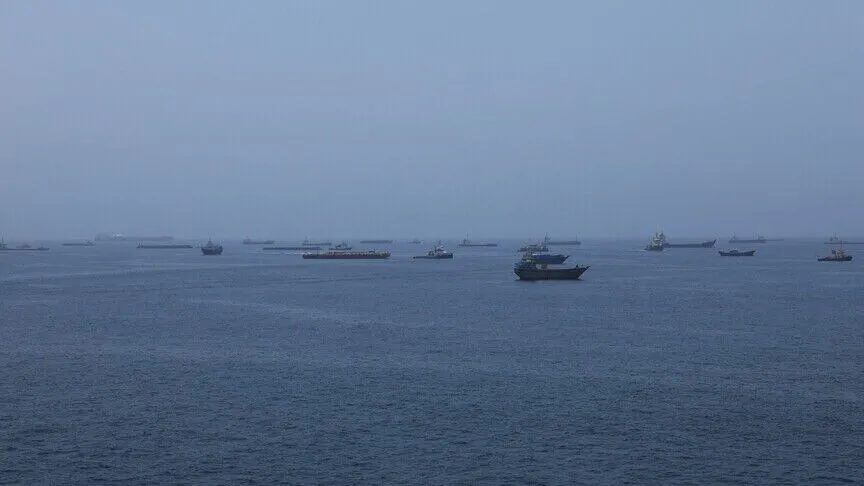
Hormuz Shipping Talks between Iran and Oman have moved forward after officials from both countries held several rounds of discussions focused on improving the safe movement of ships through the Strait of Hormuz. Iranian officials said the meetings produced progress while confirming that commercial maritime traffic continues to operate normally through the strategic waterway.
According to Iran’s Foreign Ministry, the discussions took place in Tehran on Friday and Saturday. The meetings brought together deputy foreign ministers from Iran and Oman to review practical measures designed to support safe navigation in one of the world’s most important shipping routes.
Foreign Ministry spokesman Esmaeil Baqaei said both delegations exchanged views on shared principles and operational mechanisms for ensuring the safe passage of vessels through the Strait of Hormuz. He described the discussions as productive and said both sides made progress during the negotiations.
Iran also confirmed that the Omani delegation departed Tehran on Saturday evening after completing the latest round of meetings. Officials said technical and political consultations between the two countries will continue as work on the proposed mechanisms moves forward.
Baqaei emphasized that there has been no change in maritime traffic through the Strait of Hormuz despite ongoing regional security concerns. Commercial shipping continues to pass through the waterway while diplomatic efforts remain active.
The Strait of Hormuz is one of the world’s most important maritime routes. A significant share of global oil and energy exports travels through the narrow passage, making stability in the area important for international trade and global energy markets.
The latest discussions come after months of heightened regional tensions. Security concerns increased following military operations involving the United States, Israel, and Iran earlier this year, raising international attention on the safety of commercial shipping in the Gulf.
In June 2026, Washington and Tehran signed a memorandum of understanding that included a ceasefire reached through mediation efforts by Qatar and Pakistan. The agreement was intended to create a path toward broader negotiations aimed at reducing tensions and working toward a long-term settlement.
However, the ceasefire later came under pressure. On July 8, U.S. President Donald Trump announced that the ceasefire had ended following renewed military escalation, increasing uncertainty across the region.
The United States has continued to call on Iran to prevent attacks on commercial vessels and support freedom of navigation through the Strait of Hormuz. Washington has repeatedly stated that secure shipping lanes are essential for international trade and regional stability.
Iran has maintained that shipping through the Strait of Hormuz should operate under mechanisms administered through its coastal waters. Iranian officials have argued that any long-term arrangement should recognize the country’s role in managing navigation within the strategic passage.
Despite these differing positions, the latest talks with Oman indicate that diplomatic engagement remains active. Oman has frequently served as a regional mediator and has hosted or supported discussions between countries during periods of heightened tension.
Officials did not release detailed information about the operational mechanisms discussed during the meetings. However, both sides indicated that consultations will continue at both the technical and political levels to develop practical arrangements.
The talks come as international shipping companies continue to monitor developments in the Gulf. Stable navigation through the Strait of Hormuz remains important for global supply chains, energy exports, and commercial trade connecting Asia, Europe, and other international markets.
Separately, reports published on Saturday said President Trump had instructed the U.S. military not to launch additional strikes on Iran, ending nearly two weeks of daily military operations. The reported decision has added to diplomatic efforts aimed at reducing tensions while discussions continue among regional and international stakeholders.
Although broader political differences remain unresolved, the latest Iran-Oman meetings represent continued dialogue on maritime safety. Officials from both countries described the discussions as constructive and confirmed that work will continue on measures designed to support secure and uninterrupted shipping through the Strait of Hormuz.
With commercial traffic continuing normally and diplomatic contacts remaining active, attention will now turn to future rounds of negotiations and whether the proposed operational mechanisms can strengthen confidence and maintain safe navigation through one of the world’s busiest maritime corridors.
