


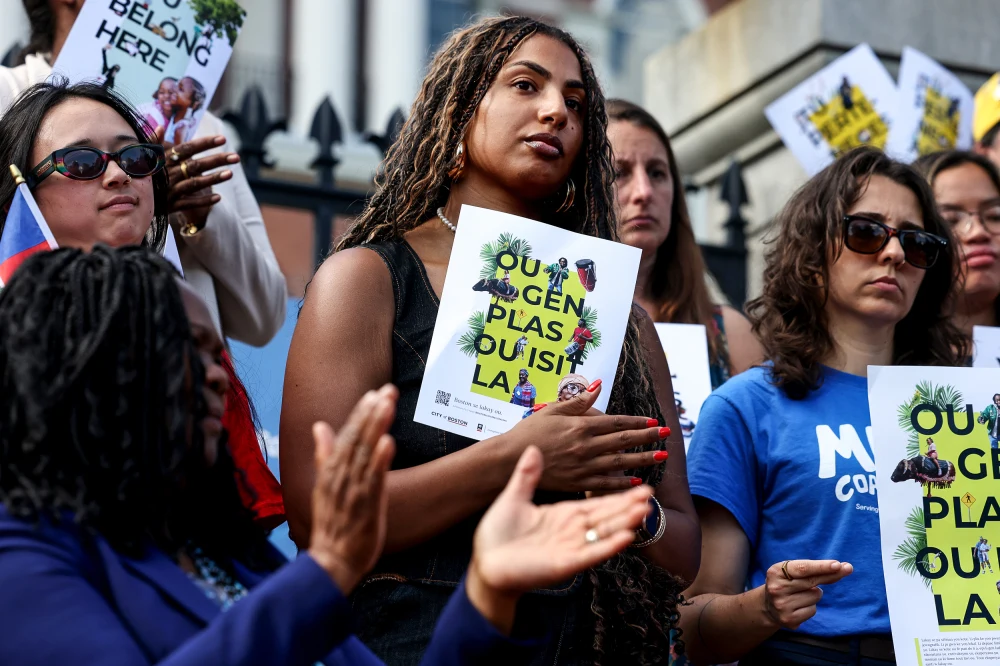
A U.S. Supreme Court decision has increased uncertainty for more than one million immigrants who rely on Temporary Protected Status, commonly known as TPS. The ruling allows the Trump administration to move forward with ending protections for hundreds of thousands of people from Haiti and Syria while also affecting immigrants from many other countries covered by the humanitarian program.
TPS is a temporary immigration program that protects people from being deported when their home countries face war, natural disasters, or other serious crises. It also gives recipients permission to work legally in the United States. Many TPS holders have lived in the country for years, built careers, raised families, and contributed to their local communities.
Following the Supreme Court’s decision, many immigrants said they now fear losing both their jobs and their legal protection. Some also worry they could become targets of future deportation efforts if their status expires.
Among those affected is Harlaine, a nurse from Haiti who has held TPS since her mid-30s. She said learning about the court’s decision left her overwhelmed with fear. Harlaine worked in emergency rooms and served patients during the COVID-19 pandemic, including critically ill people who required life-saving treatment. She now worries that losing her work authorization could end her nursing career and affect her family’s future.
Harlaine also expressed concern for relatives in Haiti who depend on financial support from family members living in the United States. She said many TPS holders regularly send money home, helping loved ones survive difficult conditions caused by political instability, violence, and economic hardship.
The Supreme Court ruling allows the administration to end TPS protections for about 350,000 Haitians and approximately 6,000 Syrians. However, legal experts say the decision could have wider effects because more than 1.3 million people from over a dozen countries currently benefit from TPS protections.
The White House welcomed the ruling, saying it confirms that Temporary Protected Status was always intended to be temporary. Officials from the Department of Homeland Security also described the decision as a victory for immigration law and argued that some TPS designations had remained in place much longer than originally planned.
Immigration advocates strongly criticized the decision. Attorneys representing TPS holders said the ruling creates uncertainty for families who have spent years building their lives in the United States. They also warned that future legal challenges could become much more difficult following the Supreme Court’s decision.
Legal experts explained that the next steps will vary depending on each country’s individual court cases and government decisions. Some legal challenges remain active, but the Supreme Court ruling may limit future efforts to block the administration from ending TPS protections.
Many TPS recipients said they now face difficult personal decisions. Some have children who are U.S. citizens, own homes, or have spent decades working in the country. They fear losing legal employment, healthcare, and financial stability if their work permits expire.
Doris Landaverde, a TPS holder from El Salvador, said she has lived in the United States since 2000 and has raised three U.S.-born children. She worries that ending her legal protections could separate families and place many immigrants at risk of deportation despite years of lawful residence.
Conditions in several TPS-designated countries remain difficult. Haiti continues to face widespread gang violence, political instability, and humanitarian challenges that have made daily life dangerous for many residents. Similar concerns exist in other countries covered by the program because of armed conflict, natural disasters, or ongoing instability.
The Supreme Court majority said federal judges do not have the authority to overrule executive decisions involving TPS designations. However, a dissenting opinion argued that the majority failed to fully consider statements that critics believe reflected discrimination against Haitian immigrants.
The TPS Supreme Court Ruling marks a major change in U.S. immigration policy and leaves many families waiting for further legal developments. While some court proceedings will continue, millions of immigrants now face an uncertain future as government officials decide how and when the changes will take effect.
