


The United States and Iran are moving toward a major peace agreement that could reshape relations between the two countries and bring significant economic changes for Tehran. A draft memorandum seen by Bloomberg News outlines a wide set of financial incentives for Iran in exchange for commitments to end hostilities and restrict its nuclear program under the US Iran peace deal.
According to the draft, Iran would gain immediate permission to resume limited oil exports and benefit from financial support tied to a proposed $300 billion development fund. The agreement also suggests that frozen Iranian assets could eventually be released. The plan is designed to encourage Iran to end disruptions in the Strait of Hormuz and commit to never developing nuclear weapons.
The deal was reportedly agreed in principle on Sunday, with a formal signing expected on Friday in Switzerland. If signed, both sides would enter a 60-day negotiation period aimed at reaching a final and binding agreement to fully end the conflict and define long-term nuclear restrictions. Officials involved in the process have said some technical details are still being finalized, meaning parts of the draft could still change.
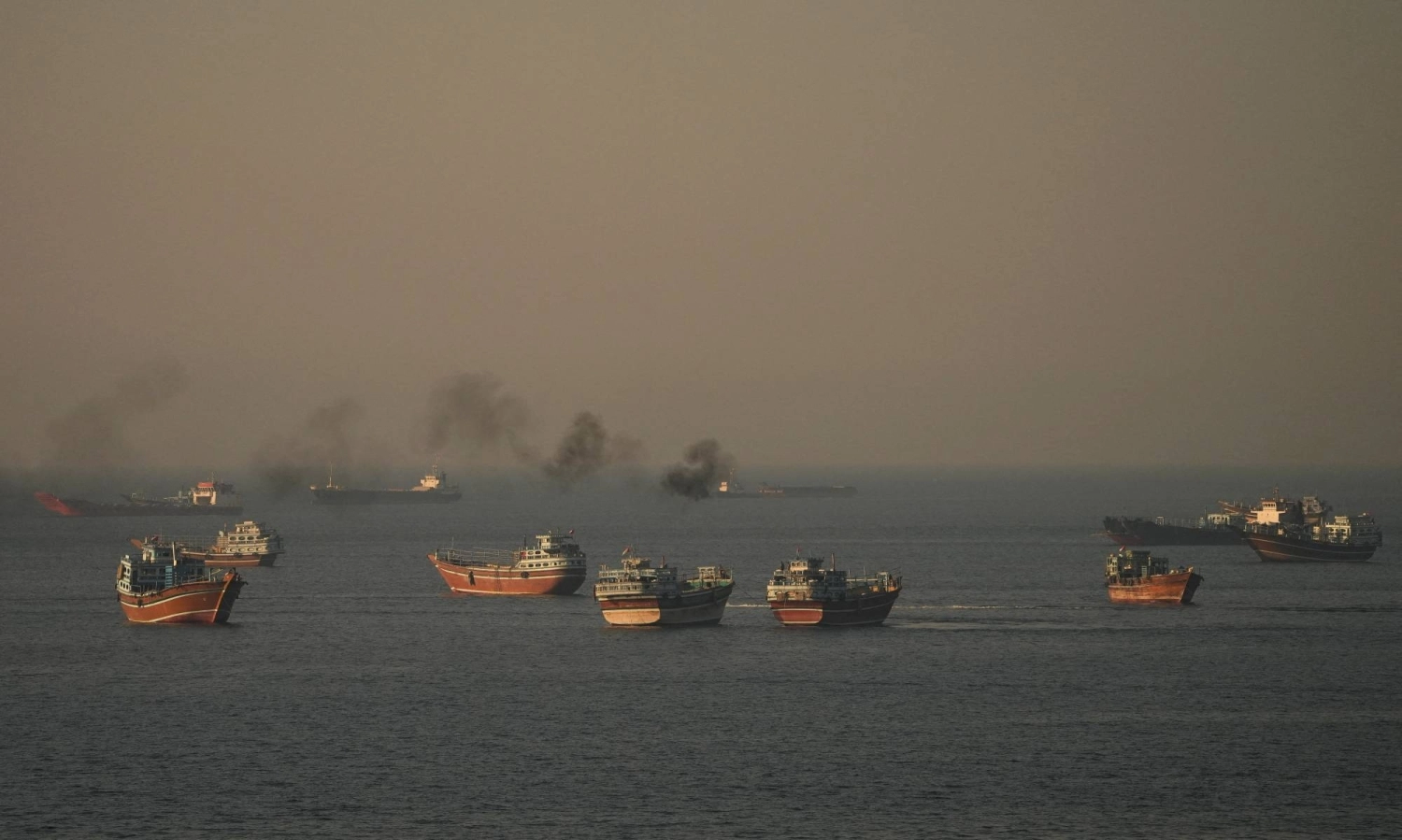
Under the proposed terms of the US Iran peace deal, the US Treasury would issue immediate waivers allowing Iranian exports of crude oil, petrochemicals, and related products. The agreement also includes lifting restrictions on maritime movement, with the goal of restoring normal shipping traffic through the Strait of Hormuz within 30 days. In return, Iran would ensure free navigation and reduce tensions in the region.
The draft also outlines a broader economic rehabilitation plan for Iran. The United States and its partners would help design a development program worth at least $300 billion. However, the document does not provide a clear timeline for when all funds would be fully available. It also states that frozen Iranian assets would be released, but details remain unclear and dependent on progress in negotiations.
US officials have emphasized that any financial benefits would depend on Iran meeting strict conditions. These include a commitment never to pursue nuclear weapons, neutralizing enriched nuclear material, and allowing international oversight. The agreement also calls for Iran to maintain its current nuclear status during the negotiation period.
The US Iran peace deal has sparked political debate in Washington. Critics argue that the financial incentives may be too large compared to Iran’s commitments. Some lawmakers and foreign policy experts have raised concerns that easing sanctions and providing economic support could strengthen Iran without ensuring long-term compliance.
Former US ambassador to the United Nations Nikki Haley criticized the proposed deal, arguing that sanctions relief should not be granted at the start of any agreement. Other analysts have also questioned whether the structure of the deal provides enough safeguards, particularly given past disputes over Iran’s nuclear program.
Supporters of the draft argue that the agreement could help stabilize one of the world’s most important energy and shipping routes. The Strait of Hormuz is a critical passage for global oil transport, and restoring normal traffic is seen as a key goal of the negotiations.
The draft also suggests that US military forces would withdraw from certain regional positions within 30 days of a final agreement. At the same time, broader sanctions against Iran would be lifted gradually as part of a final settlement to be negotiated over the next two months.
The US Iran peace deal remains under discussion, with both sides preparing for formal signing and continued negotiations. Officials say the final outcome will depend on compliance with initial terms and successful progress toward a comprehensive agreement covering nuclear restrictions, sanctions relief, and regional security commitments.
