


The United States has paused a major Taiwan arms sale worth 14 billion dollars as it reassesses military stockpiles linked to ongoing operations connected to the Iran conflict. The Taiwan arms sale pause has raised questions about US weapons supply priorities and regional security planning.
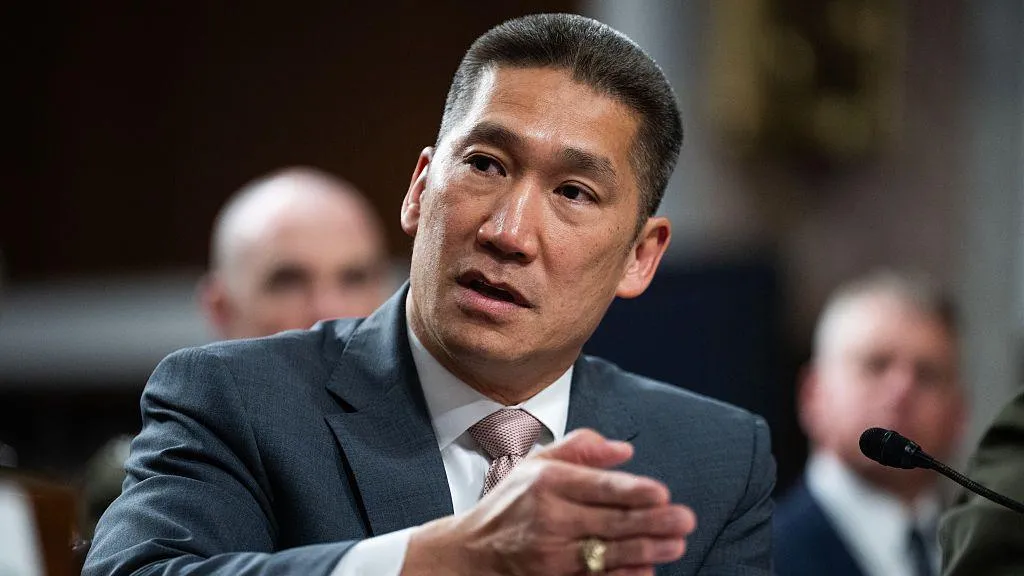
The decision was confirmed by acting US Navy secretary Hung Cao during a Senate hearing. He said the pause is intended to ensure the United States maintains enough weapons for current military needs, including operations linked to the Iran war.
Cao said the US is reviewing its munitions supply under a program referred to as Epic Fury, which he described as a US and Israel related military operation. He added that foreign military sales would continue once conditions allow.
The paused package is valued at around 14 billion dollars and includes advanced air defence systems and missiles such as PAC 3 interceptors made by Lockheed Martin. The deal has been under consideration for months but has not yet received final approval.
The Taiwan arms sale pause comes at a sensitive time in US China relations. Taiwan is a key security partner of the United States, but the deal has long been a source of tension with China, which claims the island as its territory.
Taiwan’s presidential office said it has not received any official notification about changes to the arms sale. Officials said they are still waiting for clarification from Washington regarding the status of the package.
The US Navy secretary told lawmakers that he had not spoken directly with Taiwanese officials about the pause. He said the decision is based on internal assessments of military readiness and supply levels.
Donald Trump has not yet given final approval for the arms package. He has described the deal as a possible negotiating tool in broader discussions with China over trade and security issues.
Trump also indicated that a decision would be made soon, following meetings with Chinese President Xi Jinping. He said the issue had been discussed in detail during high level talks.
The Taiwan arms sale pause highlights the balancing act in US foreign policy between supporting allies and managing global military commitments. Officials are trying to maintain supply levels while continuing support for partners in different regions.
China has repeatedly opposed US arms sales to Taiwan. Beijing views such deals as interference in its internal affairs and has warned of consequences for military cooperation between the United States and Taiwan.
Previous arms packages have triggered strong reactions from China, including diplomatic protests and warnings of increased tensions across the Taiwan Strait. The issue remains one of the most sensitive points in US China relations.
Taiwan has said that US weapons support is essential for maintaining its defense capabilities. The island has increased its own military spending in response to growing pressure from China.
The current pause does not cancel the deal, but it delays final approval and delivery timelines. Officials say the review process will continue until US stockpile levels are reassessed.
Defense analysts say the decision reflects growing strain on US military supply chains due to multiple global commitments. They note that weapons production and distribution are being closely managed amid rising demand.
The situation remains under review, and no final timeline has been given for when the arms sale could resume. For now, the Taiwan arms sale pause remains a key point of uncertainty in US Asia policy.
