


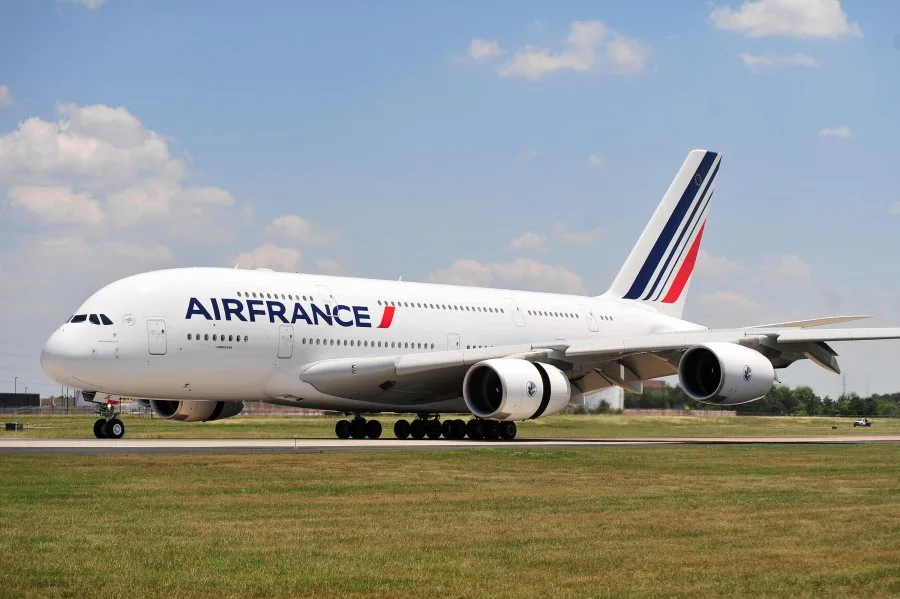
An Air France flight traveling from Paris to the United States was diverted to Canada after American authorities blocked entry for a passenger linked to countries affected by the latest Ebola outbreak.
Flight 378 departed from Paris Charles de Gaulle Airport on Wednesday afternoon and was scheduled to land in Detroit. However, the aircraft was redirected to Montreal Trudeau International Airport after U.S. officials determined that one passenger had recently traveled from the Democratic Republic of the Congo.
According to reports, the flight landed in Montreal at around 5:15 p.m. local time after American border authorities refused permission for the aircraft to enter Detroit.
A spokesperson for U.S. Customs and Border Protection said the action was taken because of current entry restrictions tied to the Ebola outbreak in Central Africa.
Under temporary U.S. public health rules, non-citizens who have recently been in the Democratic Republic of the Congo, Uganda, or South Sudan within the past 21 days are currently barred from entering the United States.
Officials said the airline mistakenly allowed the passenger to board the flight to Detroit.
The Customs and Border Protection spokesperson stated that the agency acted together with the Centers for Disease Control and Prevention to reduce the risk of Ebola entering the country.
Authorities stressed that there was no medical emergency reported on board the aircraft and that the diversion was linked only to travel restrictions, not to any confirmed illness involving passengers.
Air France later confirmed the incident in a public statement. The airline said the flight was diverted after the passenger was denied entry into the United States due to current health regulations.
The airline added that it must follow all international travel and border entry requirements in countries where it operates.
The latest restrictions came after the World Health Organization declared the Ebola outbreak in the Democratic Republic of the Congo and Uganda a public health emergency of international concern.
In response, the CDC and the United States Department of Health and Human Services introduced temporary measures limiting entry for certain travelers connected to affected regions.
The order reportedly began earlier this week and is expected to remain in place for at least 30 days.
Health officials continue monitoring the Ebola outbreak closely. According to the CDC, there have been hundreds of suspected Ebola cases linked to the outbreak.
Current figures include more than 500 suspected cases, over 100 probable cases, and dozens of confirmed infections. Health authorities have also reported more than 130 suspected deaths connected to the outbreak.
Most confirmed cases have been recorded in the Democratic Republic of the Congo. Officials said two confirmed cases in Uganda were linked to recent travel from Congo.
Ebola is a severe and often deadly disease caused by a virus that spreads through direct contact with infected body fluids. Symptoms can include fever, weakness, vomiting, bleeding, and severe illness. Health experts often use travel controls and screening systems during outbreaks to limit international spread.
The diversion of the Air France flight highlights how quickly international travel can be affected during major public health emergencies. Airlines and border agencies around the world are increasing monitoring measures as governments attempt to contain the outbreak.
The incident also shows the growing impact of health-based travel rules on international aviation. Even passengers without symptoms may face restrictions if they recently traveled through areas connected to infectious disease outbreaks.
Officials have not released additional details about the passenger involved, and there were no reports of infections among other travelers on the flight.
The investigation and monitoring efforts are continuing as health authorities work to contain the outbreak and prevent further international spread of Ebola.
