


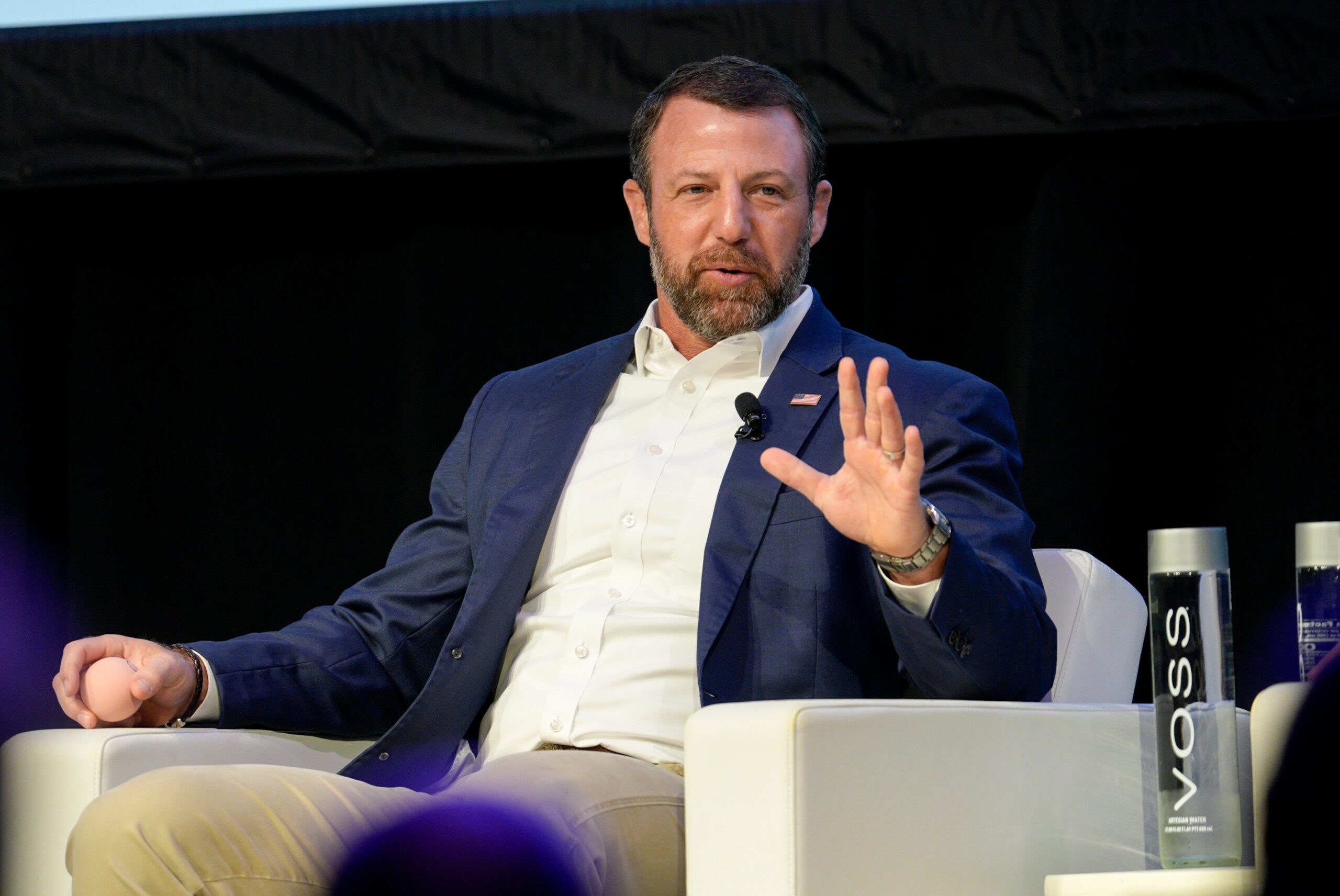
Homeland Security Secretary Markwayne Mullin has defended the Trump administration’s plan to livestream the military execution of Nidal Hasan. The former Army psychiatrist was convicted of killing 13 people in a 2009 shooting at Fort Hood, Texas.
The proposed broadcast has drawn criticism from both Republicans and Democrats. Some lawmakers warn that showing the execution could increase Hasan’s public profile or inspire violent extremists. Mullin rejected those concerns during a television interview on Sunday.
Mullin spoke on CBS News’ “Face the Nation” and said people would not be forced to watch the execution. He argued that the planned broadcast did not create a greater threat to national security.
“First of all, no one has to watch it,” Mullin said when asked about the possible risks of showing the execution online.
Host Margaret Brennan then asked Mullin about concerns that the broadcast could turn Hasan into a symbol for extremist groups. Critics have warned that publicizing his death could help him gain the attention he may have wanted.
Mullin said he did not see a higher security risk from the plan. He also stressed that people who attack the United States should face punishment for their actions.
“I don’t see an elevated risk at this point at all because of this,” Mullin said.
He added that he had no sympathy for Hasan and did not give thought to how the convicted killer would die.
Mullin also defended the decision by pointing to President Donald Trump’s leadership. He said he followed the president and praised his approach to running the country.
“I follow President Trump. He’s a commander in chief of the country, and he does a phenomenal job,” Mullin said. He added that Trump was restoring American values.
The comments came after Republican Sen. Lisa Murkowski of Alaska urged Defense Secretary Pete Hegseth to cancel the proposed livestream. Murkowski said Friday that broadcasting an execution was not needed and could help build Hasan’s reputation among supporters of extremist causes.
“There is no need to livestream any execution, including this one,” Murkowski wrote on social media.
She also said such a broadcast was something she would expect from terrorists and dictators, not from the United States.
Republican Sen. Kevin Cramer of North Dakota has also raised concerns. He warned that showing the execution could help fuel radicalization. The criticism from members of Trump’s own party has added to questions about the purpose and possible effects of the broadcast.
The administration has not provided a final public decision on whether the livestream will go ahead. Trump told reporters on Saturday that he would “make a decision ultimately” about the plan. He has also said he “absolutely” approves of Hasan’s execution.
Hasan was an Army psychiatrist when he opened fire at Fort Hood on November 5, 2009. The attack killed 13 people and wounded more than 30 others. It became one of the deadliest shootings at a US military base.
In 2013, a military court convicted Hasan of 45 counts of premeditated and attempted murder. He received a death sentence for the attack.
His execution is scheduled for December 3. If carried out as planned, it would be the first US military execution in more than 60 years.
The case has renewed debate over how the government handles the punishment of people convicted of major acts of violence. It has also raised questions about whether broadcasting an execution could create risks beyond the prison system.
Supporters of the plan may view the broadcast as a way to show that attacks on Americans bring serious consequences. Critics, however, argue that public exposure could give a convicted killer a platform and create unwanted attention for extremist groups.
For now, Mullin has made clear that he supports the administration’s approach. The final decision on the livestream remains with Trump, while lawmakers continue to debate whether the proposed broadcast would serve a public purpose or create additional security concerns.
