


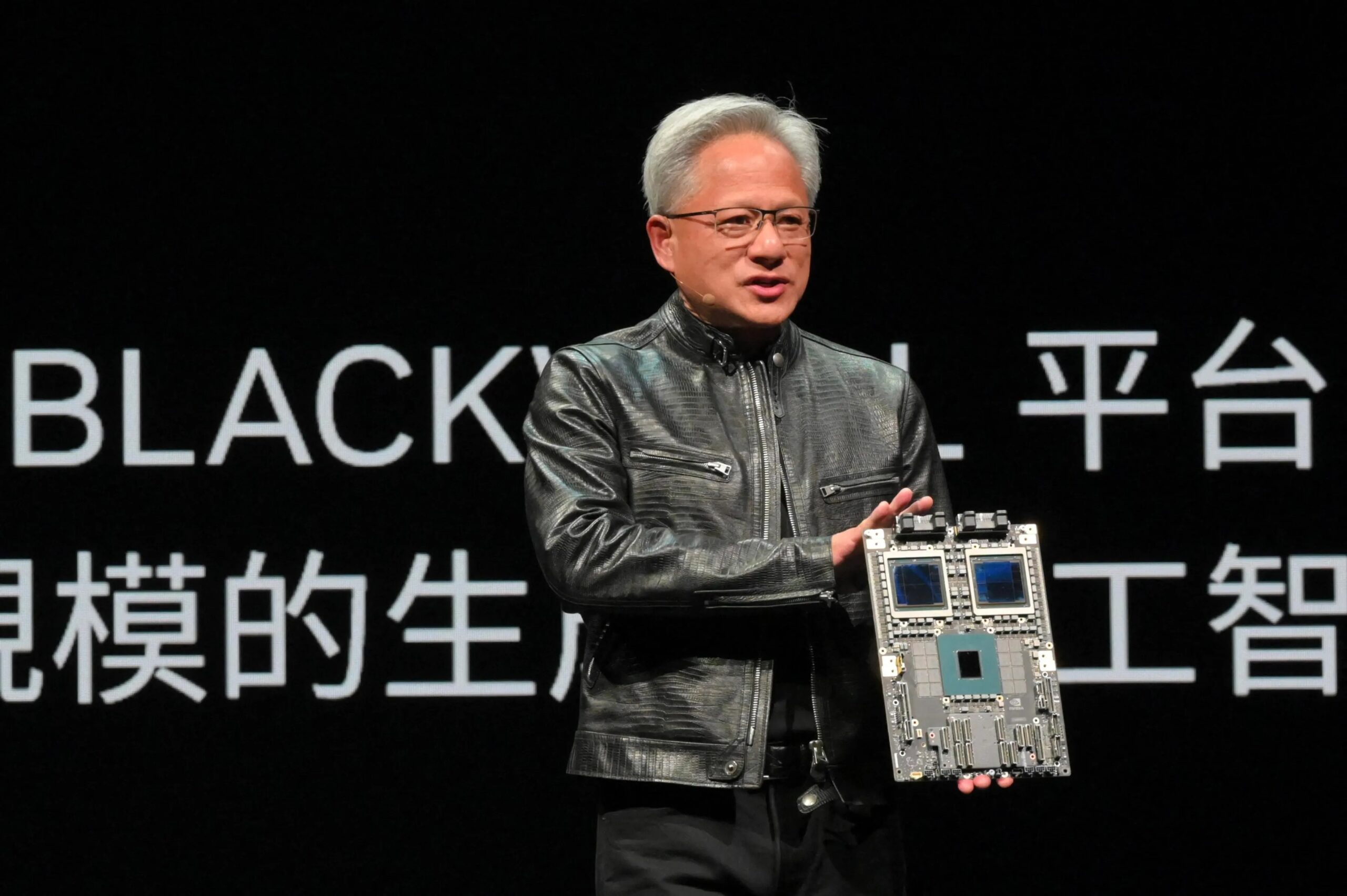
Nvidia is facing fresh questions about its leadership after its board announced an independent investigation into reports involving Chief Executive Jensen Huang. The company said on Sunday that a group of independent directors would examine claims that Huang was the target of a foreign intelligence effort.
The board has appointed outside legal advisers to support the investigation. It also said there was no reason to believe that company secrets had been compromised. Nvidia expressed confidence in Huang and confirmed that he was cooperating with the review.
The announcement has attracted attention from investors because Huang is closely linked to Nvidia’s success. He has led the company through its rise into one of the world’s most valuable technology businesses. His leadership has also played a major role in Nvidia’s position in the global artificial intelligence market.
An investigation involving a company’s chief executive can create uncertainty, even when the board continues to support that person. Investors may worry about leadership stability, business plans and the possibility of unexpected changes at the top.
Past cases involving major companies show that stock prices can react quickly when boards review the personal conduct of their chief executives. However, the final outcome of an investigation can matter more than the first market reaction.
A review of three previous cases involving Intel, McDonald’s and Wynn Resorts found that their shares fell after news of board investigations into their chief executives. The executives later left their positions. The next trading day, the stocks lost between 2.4% and 10.1%.
The declines also lasted beyond the first day. All three stocks remained below their starting prices six months after the initial market reaction.
Intel faced a leadership change in 2018 after its board reviewed issues involving former CEO Brian Krzanich. McDonald’s also faced a major leadership decision in 2019 when its board removed CEO Steve Easterbrook following a review of his relationship with an employee.
Wynn Resorts experienced a similar situation in 2018. Its founder, Steve Wynn, left the company after allegations about his personal conduct led to a board review. These cases show how leadership concerns can affect investor confidence and company shares.
However, not every board investigation leads to a negative result for investors. Apple provides a different example from 2006, when its board reviewed concerns involving founder Steve Jobs and decided to keep him as chief executive.
Apple shares gained 4.9% on the day of that decision. The result offers a useful contrast to the cases in which company leaders eventually left their positions.
For Nvidia investors, the difference between keeping Huang and losing him could be important. The company has built much of its growth around its technology, business strategy and leadership. Any major change at the top could raise questions about its ability to maintain its current position.
The financial impact could also be significant for individual shareholders. Consider an investor who purchased 1,000 Nvidia shares at $94.31 each. The original investment would have cost $94,310.
Based on Friday’s closing value, those shares were worth $186,640. This represents a gain of $92,330 before taxes and other costs.
If Nvidia experienced a decline similar to the three companies whose CEOs left after board reviews, the investor could face a notable loss in market value.
A 2.4% decline would reduce the value of the 1,000 shares by about $4,479. A larger drop of 10.1% would cut the investment’s value by approximately $18,851.
These figures show why leadership news matters to investors, especially those holding large positions in a single company. However, the past stock movements are examples, not forecasts. Nvidia’s situation is different, and its board has not announced any decision to remove Huang.
Selling the shares could also create a tax bill. Based on the example, an investor who sold all 1,000 shares would realise a gain of $92,330. At the estimated federal tax amount, the sale could result in about $13,850 in federal taxes.
The actual tax bill would depend on the investor’s tax rate, holding period and personal financial situation. State taxes and other costs could also affect the final amount.
The broader issue is the risk of relying too heavily on one leader. Nvidia’s growth has made Huang one of the most important figures in the technology industry. His role in the company’s development has helped build strong investor confidence.
However, building a successful investment portfolio and managing money during retirement require different skills. Investors must consider how much risk they can accept and whether their savings can support their long-term needs.
For now, Nvidia’s board says it has confidence in Huang and has found no reason to believe company secrets were exposed. The independent review will examine the reports and provide more clarity about the situation.
Investors will be watching the outcome closely. The final decision could influence confidence in Nvidia’s leadership and its shares. Until the board completes its work, the main question is whether the investigation will strengthen confidence in Huang or create further concerns about the company’s dependence on its founder.
