


Texas has become a major focus in the final weeks before the midterm elections as national leaders from both parties increase their efforts in several closely watched races.
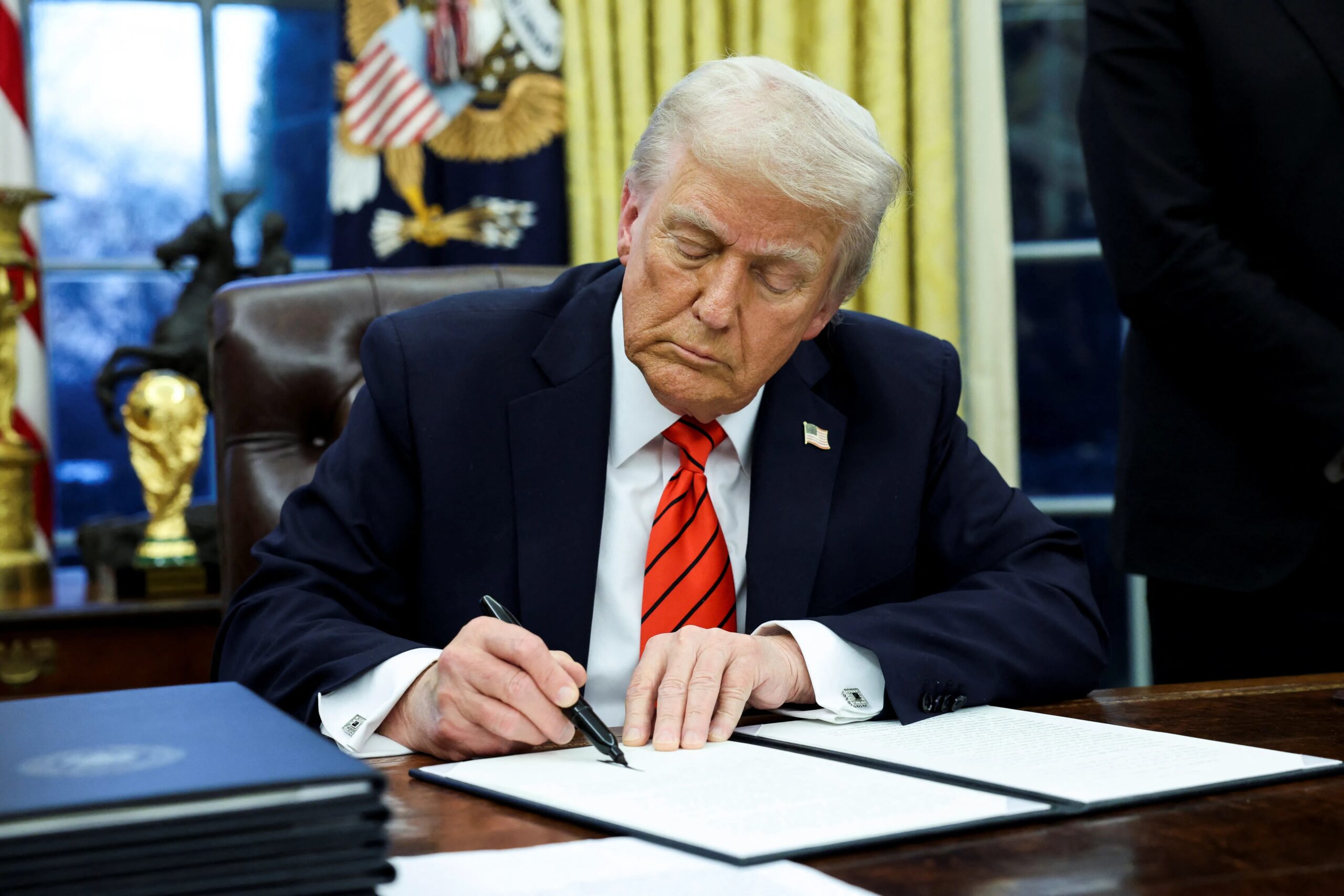
President Donald Trump returned to the state this week for his second visit in less than seven days. His trip underlined the growing importance of Texas as Republicans work to protect key positions and Democrats look for opportunities to make gains.
Trump traveled to San Antonio to support Attorney General Ken Paxton and congressional candidate Carlos De La Cruz. Both campaigns have attracted national attention because of tighter-than-expected competition.
Paxton is facing a strong challenge from Democrat James Talarico. The race has become one of the most expensive contests in Texas this election cycle. Political observers say both sides see the race as highly important.
De La Cruz is also competing in a congressional district that has become more competitive than many expected. The district was redrawn during the state’s redistricting process and was designed to favor Republicans. Even so, recent campaign developments have kept the race in the spotlight.
Republicans hope Trump’s visit will energize supporters and increase turnout before early voting begins. Party leaders continue to view voter enthusiasm as a key factor in determining the outcome of several races.
Trump remains a powerful figure among Republican voters. His campaign appearances often attract large crowds and generate significant media attention.
However, not every Republican leader appeared alongside him during the Texas visit.
Governor Greg Abbott did not attend the San Antonio rally. He cited scheduling conflicts and said he already had commitments planned for the same day.
Abbott praised Trump’s ability to motivate Republican voters but explained that his schedule prevented him from participating in the event.
The governor is also facing a more competitive election than many political analysts expected at the start of the campaign season.
Abbott has won previous gubernatorial elections by comfortable margins. This year, however, Democrats believe the political environment offers a stronger opportunity to challenge the longtime Republican leader.
That belief has led to growing calls for increased Democratic investment in Texas.
A group of Latino political leaders and elected officials recently urged national Democratic organizations to provide more financial support for gubernatorial candidate Gina Hinojosa.
The request came during discussions about campaign strategy and voter outreach ahead of early voting.
Supporters argue that additional funding could help narrow the financial advantage held by Abbott. Recent donations from prominent Democratic figures have helped the campaign, but party leaders continue to seek greater support.
The debate over campaign spending reflects broader concerns about the national political landscape.
Both parties are carefully watching races in states where outcomes appear less certain than expected. Economic concerns, international events and voter turnout efforts continue to shape campaign strategies.
Several Republican candidates outside Texas have also taken positions that differ from Trump on certain issues.
In Michigan, Senate candidate Mike Rogers recently called for an end to trade disputes involving tariffs. Other Republican candidates have expressed independent views on foreign policy and economic matters.
Political analysts say these differences show how candidates are balancing national party positions with local voter concerns.
Across the country, debate stages have become major battlegrounds.
Candidates in Maine, Georgia and Iowa recently exchanged arguments over the economy, government policies and leadership issues. These debates highlighted the themes that continue to dominate the election season.
At the same time, international events remain part of the political discussion.
The third anniversary of the October 7 attack on Israel has renewed attention on the conflict in the Middle East. The attack changed the region and continues to influence political debates around the world.
The conflict has led to ongoing discussions about security, diplomacy and humanitarian concerns. Efforts to achieve long-term stability have faced many obstacles despite attempts to secure ceasefires and peace agreements.
These global developments have also become topics in American political campaigns as candidates discuss foreign policy and national security.
With only weeks remaining before Election Day, both parties are increasing their efforts to reach voters.
Texas remains at the center of that fight. Competitive races, growing campaign spending and high-profile visits from national leaders have turned the state into one of the most closely watched political battlegrounds in the country.
As early voting approaches, candidates are expected to intensify their campaigns and focus on persuading undecided voters. The results could help shape the political direction of both Texas and the nation in the years ahead.
