


President Donald Trump has announced what he described as the “biggest oil deal in world history,” claiming the agreement will give the United States access to a major share of Venezuela’s vast oil reserves. While the announcement has drawn global attention, many details of the agreement remain unclear.
The deal was revealed late Friday through a social media post from Trump. Since then, the White House has provided only limited information about the arrangement. Even so, officials in both Washington and Caracas have confirmed that an agreement has been reached and that it is expected to reshape Venezuela’s energy sector.
According to statements released by Venezuelan acting President Delcy Rodríguez, the agreement focuses on the development of 17 oil fields that contain an estimated 65 billion barrels of proven reserves. The project is expected to attract around $100 billion in investment and could generate more than $200 billion in tax revenue for Venezuela over time.
Trump has presented the agreement as a major victory for U.S. energy interests. He said the arrangement would strengthen American energy security, increase oil supplies, and help lower fuel costs in the future. The president also argued that the deal would not require direct funding from U.S. taxpayers because private investment would support the development of the oil fields.
One of the most important details known so far is that the agreement does not involve the outright purchase of Venezuelan oil reserves. Instead, reports indicate that a new company or joint venture will be created to develop and operate selected oil fields. The United States and its partners are expected to hold a majority stake in production from those projects. However, the identity of some participating companies has not yet been publicly disclosed.
Rodríguez described the deal as a major step toward economic recovery. She said the investment would modernize Venezuela’s struggling oil industry and help turn natural resources into practical benefits for citizens. According to Venezuelan officials, revenue generated from the project could support housing programs and other development efforts.
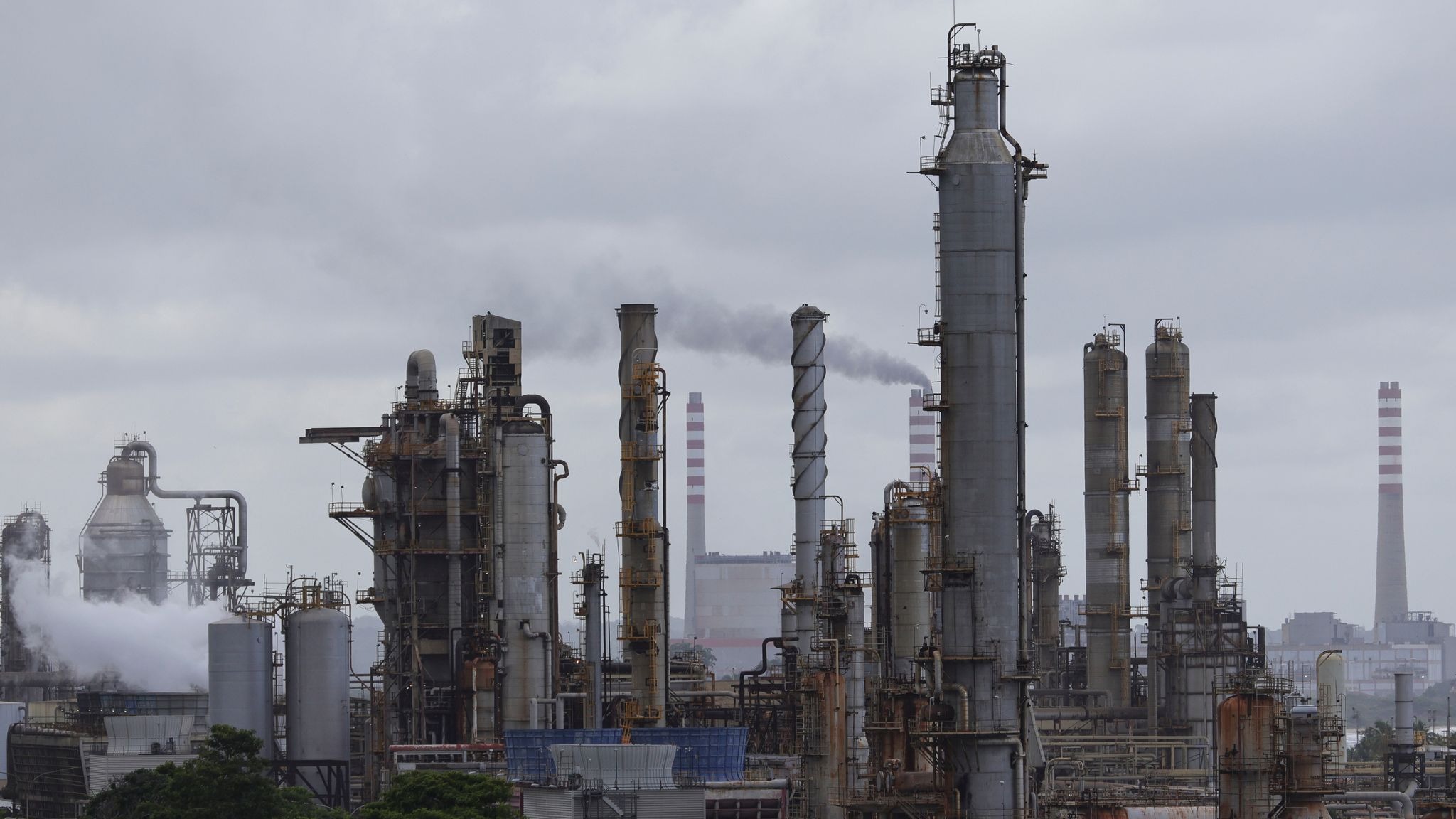
Despite the ambitious goals, major questions remain. Officials have not explained how quickly oil production can increase or how long it will take for the investment to produce significant returns. Industry experts note that Venezuela’s oil infrastructure has suffered from years of underinvestment, equipment shortages, and operational challenges. Large-scale production growth may require extensive rebuilding before new output can reach global markets.
The agreement has also sparked political debate. Supporters argue that fresh investment and technical expertise could revive one of the world’s largest oil industries. Critics, however, question the legal framework of the deal and whether such a large foreign role in Venezuela’s energy sector could face future challenges. Some opposition figures and former officials have called for greater transparency regarding the contract terms.
Another unanswered question involves which companies will ultimately lead development efforts. Energy firms have shown interest in Venezuela’s resources in the past, but many have remained cautious because of political uncertainty and infrastructure concerns. Experts say investment commitments and operational plans will be critical to determining whether the project succeeds.
The agreement follows major political changes in Venezuela earlier this year and signals a significant shift in relations between Washington and Caracas. It also reflects the growing importance of energy security as governments seek reliable oil supplies in a changing global market.
For now, the Venezuela Oil Deal Details remain only partially known. While both governments have promoted the agreement as historic, investors, industry experts, and political leaders are still waiting for clearer information on financing, ownership structures, production timelines, and long-term economic impacts. Until those details emerge, questions about the true scale and future success of the deal are likely to remain at the center of international attention.
