


Severe weather is affecting parts of the United States as forecasters warn of storms, heavy rain and flooding. Hawaii is also facing a new tropical threat, with Tropical Storm Moke moving toward the islands only days after Hurricane Lala caused major damage.
The latest weather threat has raised concern because some areas are already dealing with damaged roads, power problems and flooded land. The new storm system could make recovery harder for communities that have not yet returned to normal.
In Hawaii, Tropical Storm Moke is expected to bring heavy rain and strong winds. The Big Island is facing the greatest risk. Forecasters expect several inches of rain, while some areas could receive much higher totals. The rain could lead to flash floods and mudslides, especially in places where the ground is already wet.
The storm is arriving soon after Hurricane Lala. That storm caused major flooding and damage across Hawaii. State officials have urged people to prepare for another round of dangerous weather. Some homes and public systems are still being repaired.
Power outages are another concern. Thousands of customers on Hawaii Island have faced long outages as crews work to repair damage from the earlier storm. The arrival of Moke means some areas could face more problems before repairs are complete.
Heavy rain is not the only threat. Strong winds may affect trees, roads and power lines. Dangerous surf and strong currents are also possible around parts of the islands. Residents have been told to follow local warnings and avoid flooded roads.
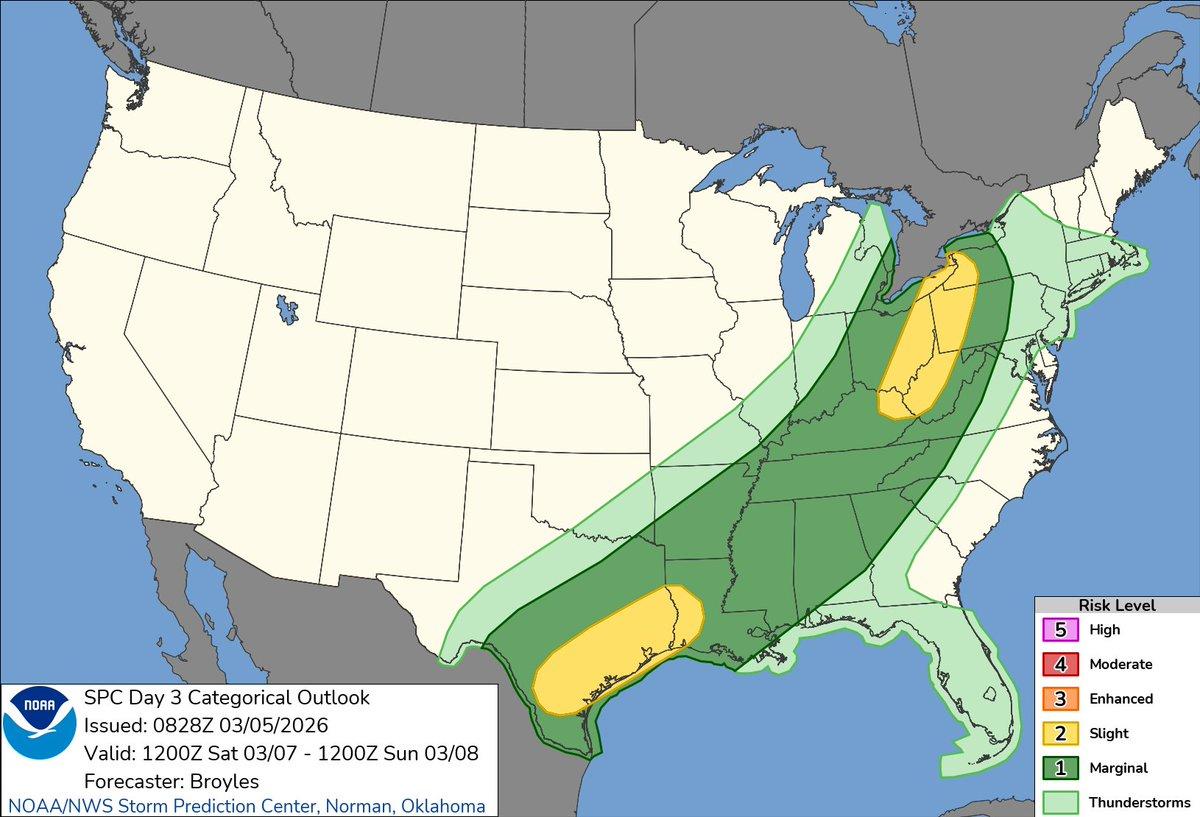
The wider United States is also facing severe weather risks. Storms are stretching from parts of the Mid-Atlantic toward the South. Heavy rain could cause flooding in areas that receive repeated storms. Strong winds may also damage buildings and bring down trees.
Forecasters have also warned of dangerous heat in parts of the South. The combination of high heat and severe storms can make conditions harder for people who must work outside or travel long distances.
Weather officials are watching the situation closely because conditions can change quickly. A storm that looks limited at first can become dangerous when it moves over a warm or wet area. Local rainfall totals can also vary sharply from one place to another.
For people in storm areas, the main concern is flooding. Water can rise fast in low areas and near rivers. Roads can become unsafe even when rainfall has stopped. Drivers are being urged to avoid roads covered by water.
The situation in Hawaii is especially serious because the islands are recovering from a recent major storm. The damage from Lala has already placed pressure on homes, roads and public services. Another period of heavy rain could slow the recovery and create new damage.
State officials have reported millions of dollars in damage from the earlier hurricane. That figure includes damage to homes and other infrastructure. The new storm is therefore arriving at a difficult time for residents and emergency teams.
The weather threat also shows why preparation matters. Residents in areas at risk of flooding should keep basic supplies ready and stay aware of local alerts. People in places with power problems may also need backup plans for communication and cooling.
For now, Hawaii remains the main focus of the tropical threat, while parts of the mainland face severe storms and heat. The combination of several weather risks means millions of Americans may need to watch conditions closely.
August 23 is therefore bringing a busy and difficult weather picture across the country. From storm threats on the mainland to another tropical system near Hawaii, officials are urging people to take warnings seriously. With more rain and storms possible, the coming days will be important for communities already dealing with damage and disruption.
