


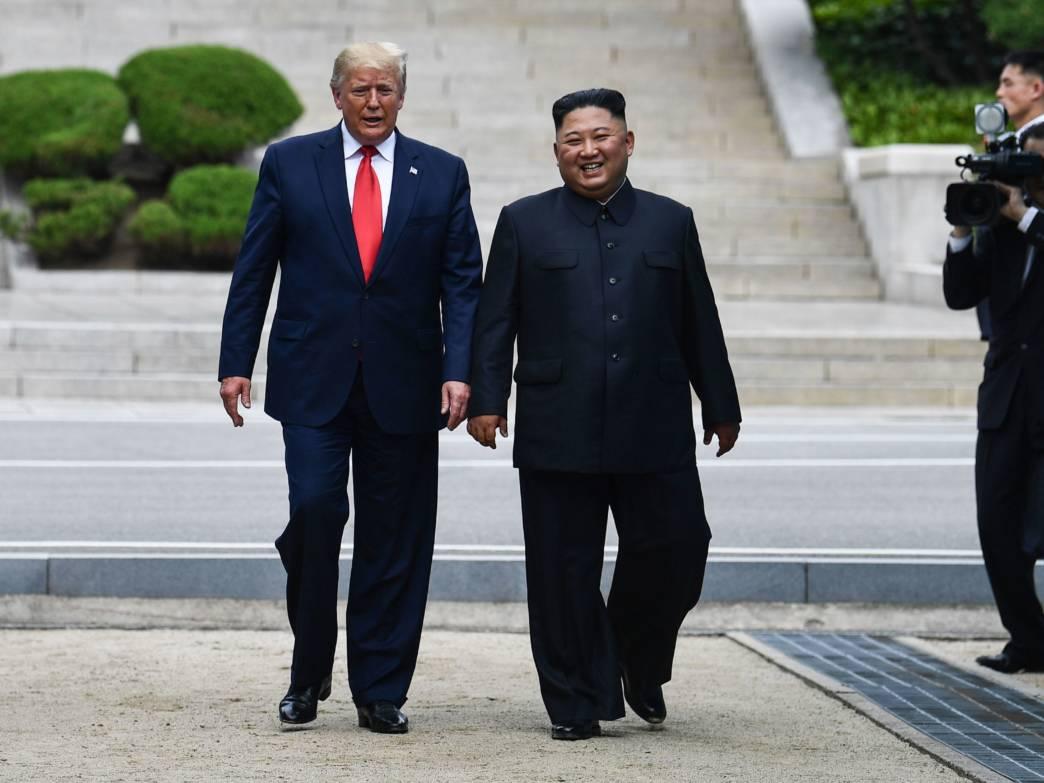
WASHINGTON — President Donald Trump’s renewed outreach to North Korean leader Kim Jong Un is putting U.S. ties in Asia under fresh pressure. The issue is now one of the biggest foreign policy stories facing Washington on August 24, 2026.
Trump has signaled that he wants another meeting with Kim later this year. He has also moved to reduce joint military drills with South Korea. The moves are meant to lower tension with Pyongyang and create room for talks. Yet they have also raised concern in Japan, South Korea and other U.S. partner states.
Trump says his personal relationship with Kim can help open a new path to diplomacy. The two leaders met three times during Trump’s first term. Those meetings made history, but they did not produce an agreement that stopped North Korea’s nuclear program.
This time, the setting is harder. North Korea has expanded its nuclear and missile forces. It has also built closer military ties with Russia. That gives Kim more options and may make him less willing to trade his weapons for economic relief.
Trump’s decision to scale back the U.S. and South Korean military exercise has added to the debate. The annual drill was already under way when the administration moved to reduce its size. Washington has said the exercises can send a hostile signal to Pyongyang. North Korea has long used the drills as a reason to accuse the allies of preparing for war.
The change has not produced a clear response from Kim. North Korea has instead kept a tough line on its nuclear forces. Its officials have said that talks would need to reflect the country’s security interests. That suggests any future summit could be very different from the meetings of 2018 and 2019.
South Korea is also watching closely. The U.S. alliance is a key part of its defense plan. American troops are based in the country, and the two sides train together to prepare for a possible North Korean attack. Any change in that system can affect military planning in Seoul.
Japan has its own concerns. Tokyo depends on close U.S. security ties as it faces North Korea, China and growing regional military activity. Japanese officials and analysts are therefore watching whether Washington will give Pyongyang more room while asking allies to carry more of the defense burden.
The wider U.S. strategy is also shaped by the war with Iran. The conflict has placed pressure on American forces and foreign policy resources. A new opening with North Korea could give Trump a chance to reduce tension in one part of the world while dealing with another crisis.
But diplomacy with Kim carries risks. North Korea has spent years building weapons that it sees as vital to state security. The country has also deepened its ties with Russia. Analysts say this could leave Washington with less leverage than it had during Trump’s first term.
Trump has argued that direct contact can still be useful. His administration has not closed the door to a summit. But the core problem remains the same: Washington wants limits on North Korea’s nuclear threat, while Pyongyang wants its nuclear status and security demands taken into account.
For the United States, the stakes go beyond one meeting. Allies want to know that American security promises will remain strong. Rivals will also watch how Washington balances diplomacy, military power and alliance commitments.
As of August 24, no new Trump Kim summit has been announced. The next steps will depend on whether Pyongyang responds to Washington’s outreach and whether South Korea and Japan remain confident in the U.S. security role. The effort may open a path to talks, but it could also test trust across Asia.
The debate is especially sensitive because North Korea’s weapons program is no longer at the stage seen during the first Trump presidency. Missile tests, nuclear work and military cooperation with Russia have changed the balance. Any future deal would need to address those changes while giving South Korea and Japan a clear role in the process.
