


The conflict between the United States and Iran intensified again after both sides exchanged new military strikes across the Middle East. The latest attacks have placed a fragile ceasefire under heavy pressure and raised fears that the region could return to a wider war.
The United States carried out a new round of airstrikes against targets inside Iran early Thursday. Iran responded by launching missiles toward several countries that host American military forces. Air raid sirens sounded in Bahrain, while missiles and drones were also reported over Kuwait and Qatar. Jordan also activated warning sirens as regional tensions increased.
The latest exchange came only weeks after both sides agreed to an interim ceasefire aimed at reducing violence. That agreement had helped reopen key shipping routes and lowered concerns about energy supplies. However, repeated attacks have weakened confidence that the ceasefire can survive.
American officials said the latest strikes targeted military infrastructure linked to threats against shipping in the Strait of Hormuz. The U.S. military reported that dozens of targets were hit during the operation as part of efforts to reduce Iran’s military capabilities in the region.
Iranian state media reported explosions in several parts of the country, including areas near the southern city of Bushehr. Iranian officials accused the United States of expanding its military campaign and said several locations were damaged during the strikes.
Iran responded by launching missiles toward areas where American forces are stationed. Officials in Bahrain, Kuwait, and Jordan said their air defense systems intercepted incoming threats. Kuwait reported that debris from intercepted missiles injured one person, while authorities in Bahrain and Jordan said there were no immediate reports of major damage.
The fighting has increased concerns about security around the Strait of Hormuz, one of the world’s most important energy shipping routes. Around one-fifth of globally traded oil and natural gas normally passes through the narrow waterway, making stability in the area important for international energy markets.
Commercial shipping had begun recovering after the temporary ceasefire reopened the route. Maritime data showed vessel traffic increased during June compared with previous months. The latest military action, however, has renewed concerns that shipping could once again face disruption if the conflict continues.
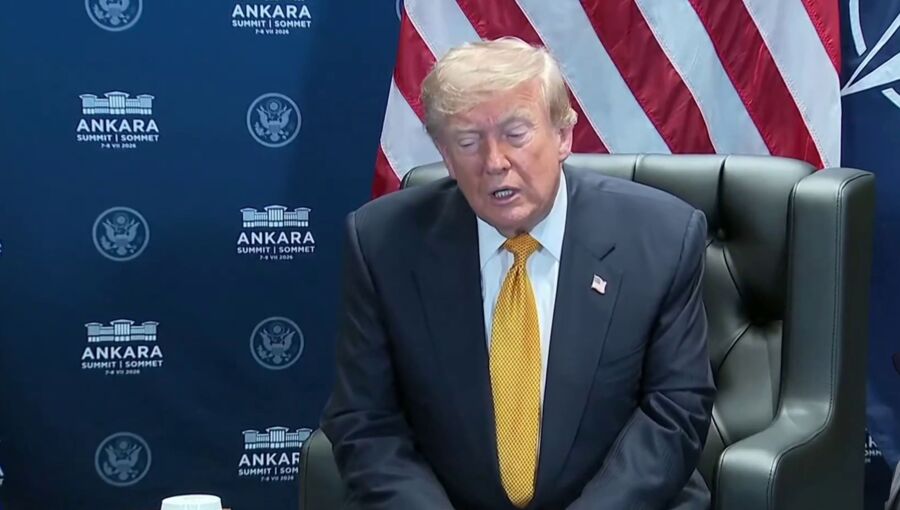
President Donald Trump said recent attacks on commercial shipping showed the ceasefire was no longer holding. He warned that further attacks on vessels would bring a stronger American response. At the same time, he said diplomatic talks with Iran would continue despite the renewed fighting.
Iranian leaders said the country would respond to any military action while remaining involved in diplomatic contacts with regional partners. Iranian officials confirmed discussions with countries including Saudi Arabia, Oman, Turkey, and Pakistan as mediation efforts continued.
The renewed conflict has also affected global oil markets. Crude oil prices rose earlier in the week as investors reacted to the possibility of further disruption in the Gulf. Although prices later eased, traders continue to monitor developments closely because any interruption to shipping could affect global energy supplies.
Diplomatic efforts remain focused on reaching a longer-term agreement that would reduce military tensions and improve security in the Strait of Hormuz. Negotiators are also expected to discuss Iran’s nuclear program and future regional security arrangements. While talks are expected to continue, the latest exchange of strikes has made progress more difficult.
The situation remains highly uncertain as both military operations and diplomatic contacts continue. Governments across the region are closely watching developments, while international markets remain sensitive to any further escalation that could affect regional stability and global energy supplies.
