


A new FCC Disney probe has intensified tensions between federal regulators and the entertainment giant. The dispute centers on ABC’s talk show “The View” and broader questions about broadcast rules, political content, and free speech. The conflict has now become part of a wider political and legal fight involving media regulation in the United States.
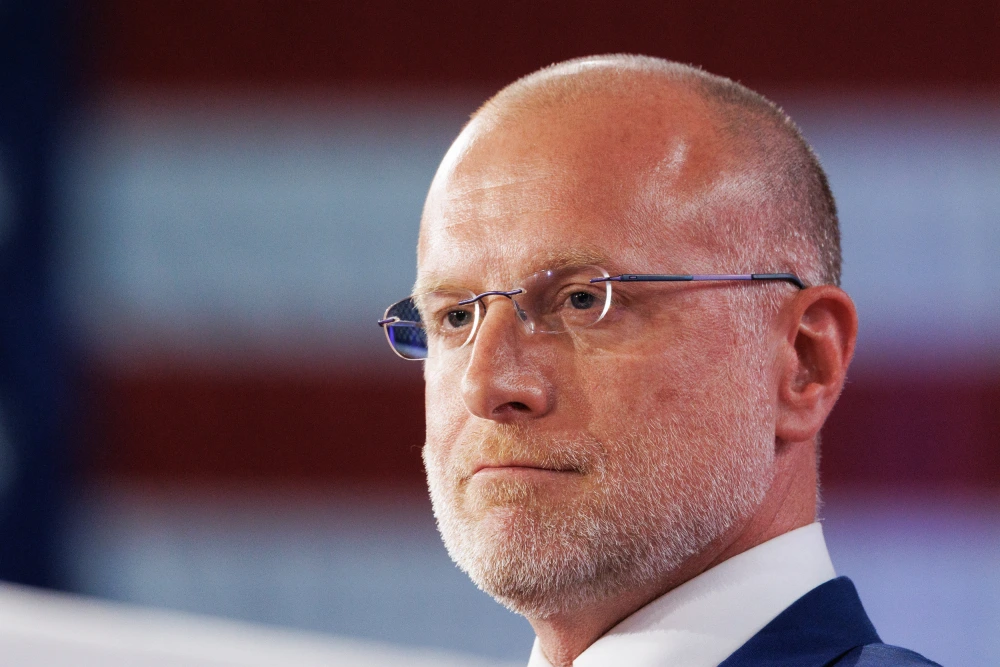
The Federal Communications Commission, led by Chair Brendan Carr, has been reviewing whether “The View” complies with equal time rules. These rules require broadcasters to give fair access to political candidates during election periods. The FCC is also reviewing broader issues tied to ABC’s broadcast license obligations. Officials say the investigation began earlier this year and is still ongoing.
The FCC argues that some appearances on “The View” may raise concerns under political broadcasting rules. One focus of the review is an interview involving James Talarico, a Democratic candidate in the Texas Senate race. Regulators are examining whether such appearances trigger equal time requirements. The FCC has not reached a final decision.
In response, ABC launched a public campaign urging viewers to support the show. The network encouraged audiences to contact regulators and defend what it described as free expression. The campaign includes on air messages asking viewers to “let the viewers decide” what content should appear on television. It also directs people to submit public comments to the FCC before a set deadline.
ABC says the campaign is needed to protect journalistic independence. The company argues that “The View” has long operated as a discussion based program featuring political and cultural guests. It says the show has aired for nearly three decades and regularly interviews public figures from across the political spectrum.
The FCC responded strongly to ABC’s campaign. A spokesperson said Disney is misleading the public about the nature of the investigation. The agency said the push for public support is based on incorrect claims about broadcast law. Officials argue that the issue is not about silencing speech but about enforcing existing rules.
The FCC also raised questions about whether “The View” should qualify as a bona fide news program. This classification is important because it can exempt certain shows from equal time requirements. Chair Brendan Carr said such a classification would change how political content rules apply to the program. He also publicly asked whether the show should be considered news.
ABC has defended its position in formal filings. The company says “The View” has long been treated as a bona fide news exempt program. It argues that this status has not been seriously challenged for more than twenty years. ABC also says regulatory action should not be used to limit opinions expressed on television shows.
The dispute comes during a broader clash between regulators and media companies. The FCC recently ordered ABC’s owned stations to update their broadcast license renewals earlier than planned. This followed tensions linked to comments made by late night host Jimmy Kimmel about political figures. Regulators say these actions are part of routine oversight, while critics see political pressure.
Former President Donald Trump has also been involved in disputes with ABC. He has criticized the network and previously filed a defamation lawsuit, which was later settled. He has also raised new legal threats over recent coverage involving public infrastructure projects. His comments have added further political attention to the FCC Disney probe.
The situation highlights ongoing debates about media regulation and political influence in broadcasting. Equal time rules were created to ensure fairness in political coverage. However, modern talk shows often mix news, opinion, and entertainment, which complicates how rules are applied. Regulators must now decide how these programs should be classified.
Supporters of stricter enforcement say clear rules are needed to prevent political bias in broadcasting. They argue that public airwaves require fairness and accountability. Critics say increased regulation could limit free speech and editorial independence. They also warn that political disputes should not influence licensing decisions.
Legal experts say the outcome could have wide implications for television programming in the United States. If “The View” is classified as a news program, it could change how many similar shows operate. If not, it may face stricter requirements during election periods. Either outcome would set an important precedent for broadcast regulation.
The FCC Disney probe is still ongoing, and no final ruling has been made. Both sides continue to present arguments through filings and public statements. The case is expected to remain a key media and political issue in the coming months as regulators review broadcast rules and content standards.
