


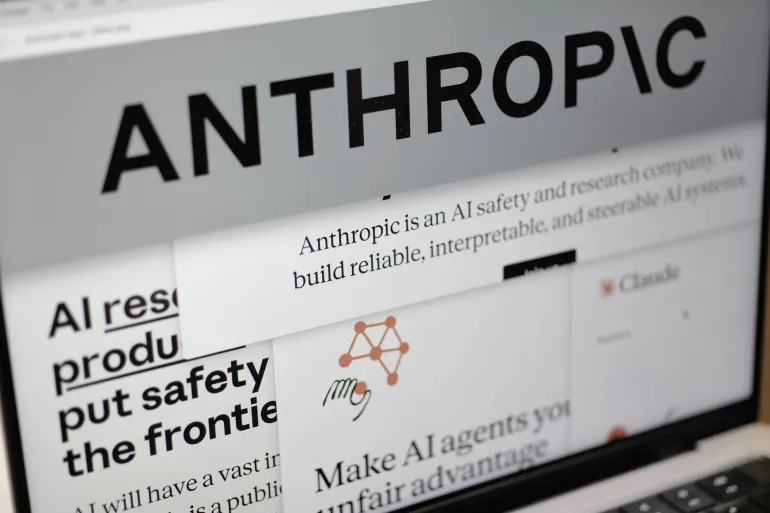
A new US export restriction on advanced artificial intelligence models has triggered growing tension between the United States and its allies, raising fresh concerns over global technology access and digital sovereignty.
The dispute began after US President Donald Trump ordered AI company Anthropic to cut off foreign access to two of its most advanced models, known as Mythos 5 and Fable 5. The decision was made on national security grounds and led to the models being taken offline for users outside the United States.
According to reports, the order applied broadly to foreign users both inside and outside the US. This move forced Anthropic to fully suspend access to the models in order to comply with government instructions.
Before the restriction, Anthropic had provided access to around 200 institutions across 15 countries. These institutions were testing a preview version of its frontier model, Claude Mythos Preview, to identify safety risks and technical vulnerabilities.
The company said it did not receive a detailed explanation for the decision. However, it stated that it understood the US government was concerned about possible “jailbreaking” techniques that could bypass safety controls in the Fable 5 model.
The sudden restriction has caused concern across Europe and other allied regions that rely heavily on US-developed AI systems. Governments and tech leaders warn that limiting access could disrupt research, innovation, and commercial development.
European leaders raised concerns at the Group of Seven (G7) discussions. French President Emmanuel Macron said the move was a “wake-up call” but also warned that strict limits on technology access could harm international cooperation.
Macron said the approach appeared “nationalist” in nature and stressed that democratic countries must work together to manage AI risks rather than act independently in ways that create divisions.
The issue has highlighted broader tensions in global technology policy. Unlike earlier US restrictions that targeted rival countries such as China and Russia, this order applies equally to allied nations with close security and trade partnerships with Washington.
Experts say the decision reflects a growing trend of tighter control over advanced technologies. Some analysts compare it to earlier semiconductor export policies introduced under previous US administrations, which limited how advanced chips could be used abroad.
Those earlier rules were designed to prevent sensitive technologies from being used in ways that could support military or strategic competition. However, they also created concern among allies who depend on US supply chains for critical technology.
European Commission officials said AI security is a shared global issue and should not be addressed through unilateral restrictions. They argued that solutions should avoid discrimination against partner countries.
During G7 discussions, leaders explored the idea of a “trusted partner” system that would allow controlled access to advanced AI models. However, details of how such a system would work remain unclear.
The debate reflects wider concerns about the balance between national security and global cooperation in emerging technologies. Experts warn that fragmented rules could slow down innovation and create barriers between major economies.
Some analysts also link the AI export restriction to a broader shift in US foreign policy, including trade disputes and changing positions on international alliances. These developments have raised questions about long-term trust in technology partnerships.
Industry observers say the decision could encourage other regions to develop independent AI systems, reducing reliance on US firms. This could accelerate global competition in artificial intelligence development.
For now, access to the restricted AI models remains suspended outside the United States, and discussions continue among governments and industry leaders on how to manage future AI governance without deepening international divisions.
