


A new agreement between the United States and Iran has been announced after weeks of shifting negotiations, but its impact on Lebanon remains unclear. While both sides have described the deal as a breakthrough, questions remain over whether it will reduce violence in the region or bring lasting stability.
US President Donald Trump said the agreement marks a major step toward peace in the Middle East. He described it as a deal that would bring “peace and security to the whole region.” Iranian officials also confirmed the signing of a memorandum of understanding and highlighted what they called strategic gains from recent developments.
Mediators, including Pakistan, have stated that the agreement includes the reopening of the Strait of Hormuz and the lifting of US restrictions on Iranian shipping activity. These measures are expected to ease pressure on global oil markets while also providing economic relief to Iran, which has been facing growing financial strain.
However, the timing and implementation of these changes remain uncertain. Officials have not confirmed when the shipping route will fully reopen or when restrictions will be fully lifted. This has added to doubts about how quickly the agreement will translate into real-world change.
One of the most sensitive parts of the deal concerns military activity in Lebanon. Pakistani Prime Minister Shehbaz Sharif said the agreement calls for the “immediate and permanent termination of military operations on all fronts, including in Lebanon.”
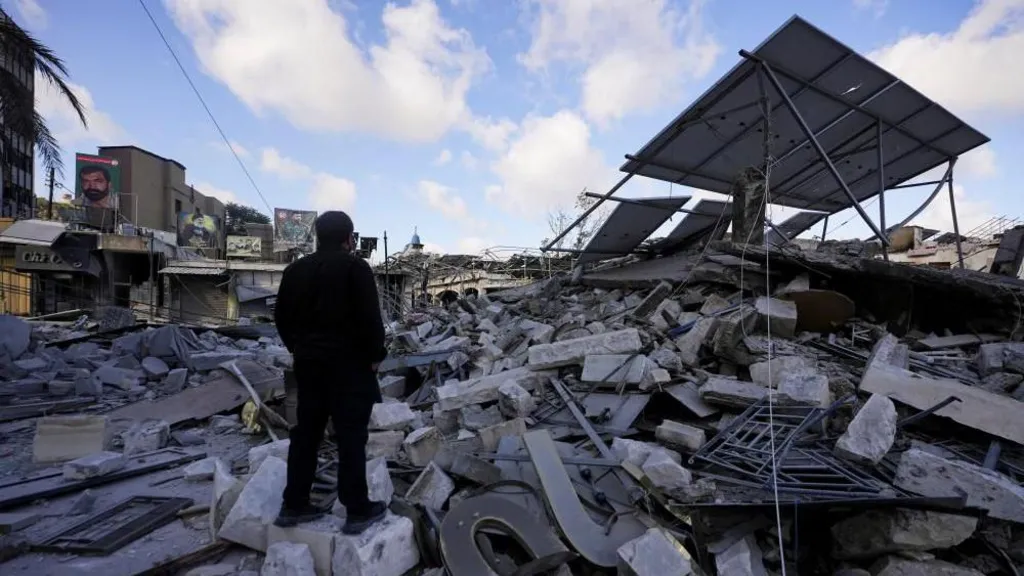
Despite this, the situation on the ground remains unstable. Israeli forces have continued operations targeting Hezbollah positions in southern Lebanon. In recent days, airstrikes in the suburbs of Beirut have further escalated tensions and raised concerns that the conflict could continue despite diplomatic progress.
Hezbollah rocket fire into northern Israel has also contributed to the cycle of retaliation. These ongoing exchanges have already disrupted earlier attempts to secure a lasting ceasefire in Lebanon, making the success of the new agreement uncertain.
Iran has previously responded cautiously to Israeli military actions in Lebanon, sometimes delaying retaliation in order to support ongoing negotiations. However, officials have warned that further escalation could still occur if attacks continue.
Lebanon has already experienced fragile ceasefires in the past, many of which failed to hold. As a result, analysts are skeptical about whether the latest agreement will succeed in bringing lasting calm to the country.
For Gulf countries such as the United Arab Emirates, Qatar, and Saudi Arabia, the deal may bring some relief. These nations have faced concerns about regional instability and the potential threat of missile escalation affecting trade and energy infrastructure.
The Strait of Hormuz is a critical global shipping route, and any disruption in the area has a direct impact on global oil supply and prices. The reopening of the strait, if fully implemented, could help stabilize energy markets and reduce global economic pressure.
However, one of the biggest unanswered questions is how the agreement addresses Iran’s nuclear program. The United States and its allies have long argued that preventing nuclear weapon development is a core objective of any deal with Tehran.
While some reports suggest that monitoring or verification mechanisms may be included, details have not been made public. Experts say this issue is likely to require further negotiations even after the agreement is formally signed.
The signing ceremony is expected in the coming days, but officials caution that the process remains fragile. Past negotiations between the two countries have faced repeated delays and sudden setbacks, raising doubts about whether the current deal will hold.
For now, the agreement has reduced some immediate uncertainty in the region. However, the situation in Lebanon, along with unresolved questions about enforcement and nuclear oversight, means that the broader stability of the deal is still far from guaranteed.
