


US Secretary of State Marco Rubio met Indian Prime Minister Narendra Modi in Delhi during a four day visit focused on energy security, trade relations and global geopolitical tensions. The Rubio Modi meeting comes at a time when both countries are trying to adjust their economic and strategic ties amid rising instability in global energy markets.
Rubio arrived in Kolkata before travelling to New Delhi for talks with Modi. He is also scheduled to visit Jaipur and Agra as part of his official trip. During the meeting, US officials said Rubio extended an invitation for Modi to visit the White House.
Indian officials said the discussions covered regional stability, global security, and economic cooperation. Energy security was a major focus of the Rubio Modi meeting, especially due to disruptions in global oil flows linked to tensions in the Middle East.
The crisis has been driven by instability around the Strait of Hormuz, a key shipping route for global oil and gas. The route has become a major flashpoint following military tensions involving Iran, the United States and Israel. The situation has affected energy supplies worldwide, including India.
India imports more than 80 percent of its energy needs, and a large share of its crude oil has traditionally passed through this route. Disruptions have increased pressure on New Delhi to diversify its energy sources.
US officials said Rubio stressed that the United States would not allow Iran to disrupt global energy markets. He also suggested that increased US energy exports could help India reduce supply risks and diversify imports.
The Rubio Modi meeting also touched on expanding US energy sales to India. Rubio had earlier indicated that Washington is prepared to supply as much energy as India is willing to purchase. This fits into broader efforts to strengthen trade ties between the two countries.
However, analysts say replacing existing supply routes with US energy imports would be costly and logistically challenging for India. US energy shipments require longer transport routes compared to Middle Eastern supplies.
The meeting also took place against a backdrop of trade tensions between the two countries. The United States currently runs a significant trade deficit with India, which has been a recurring issue in negotiations.
Despite these tensions, both sides have taken steps to improve relations in recent months. Tariff reductions and preliminary trade agreements have eased pressure on Indian exporters and improved economic sentiment.
Beyond trade and energy, the Rubio Modi meeting also covered regional security issues, including tensions involving Iran and broader Indo Pacific strategy discussions. Officials said the US remains focused on maintaining stability in key maritime routes.
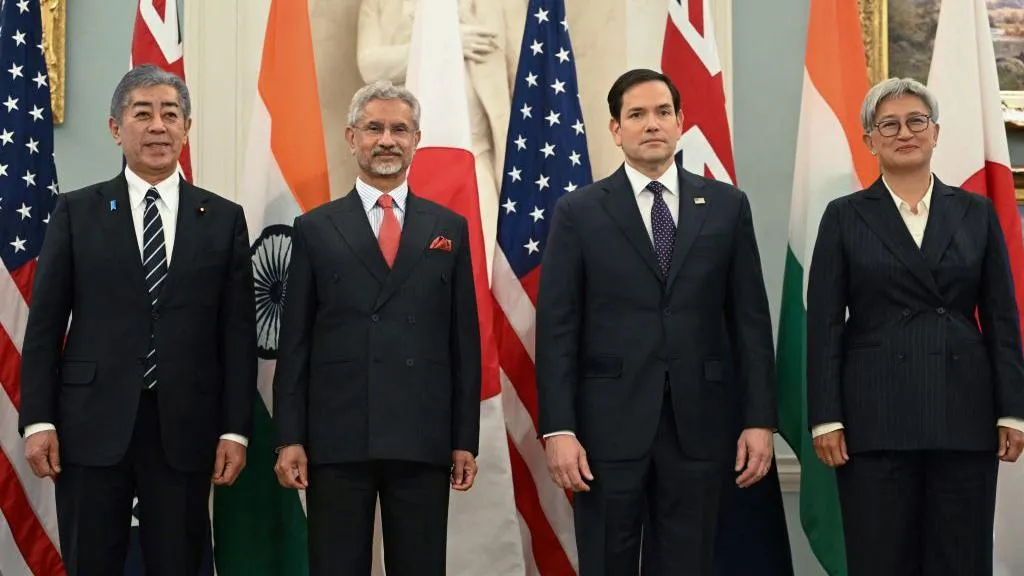
The visit is also linked to wider diplomatic engagement through the Quad group, which includes India, the United States, Japan and Australia. A foreign ministers meeting is expected as part of ongoing efforts to strengthen cooperation in the Indo Pacific region.
India is expected to play a central role in upcoming Quad discussions, especially as global attention shifts toward balancing China’s influence in the region. The grouping is seen as an important platform for security and economic coordination.
Analysts say India is likely to maintain a careful diplomatic balance, focusing on energy security and economic growth while avoiding deeper military involvement in Middle Eastern conflicts.
The Rubio Modi meeting reflects the growing importance of energy and trade in shaping US India relations. Both countries are expected to continue negotiations on broader economic agreements in the coming months.
Officials on both sides described the talks as constructive, with further dialogue expected on energy cooperation, trade policy and regional security coordination.
