


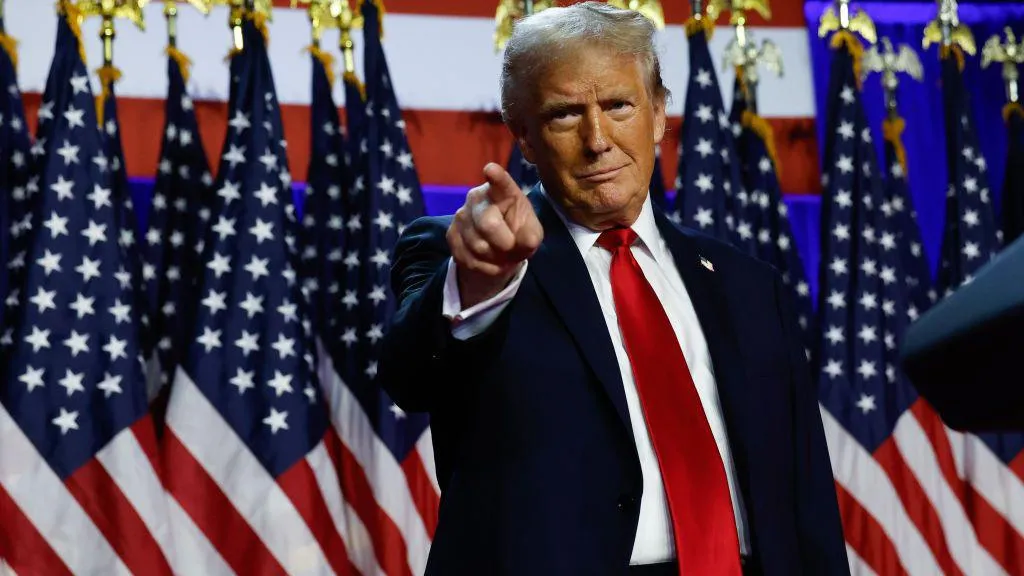
The US Economy Under Trump is facing a major test as voters prepare for key elections later this year. While economic growth remains steady, rising living costs and global tensions are shaping public opinion.
The ongoing conflict linked to US-Iran conflict has entered its third month. It has caused a sharp rise in global energy prices. This has pushed up the cost of fuel, food, and daily goods for many Americans.
Despite these challenges, new data shows the economy is still growing. The United States economy expanded by 2 percent on an annual basis in the first quarter of 2026. This marks a recovery after a slowdown at the end of 2025.
Economists say consumer spending has remained stable. It grew by 1.6 percent during the same period. This suggests that households are still spending, even as prices rise.
However, experts also note that much of the growth is coming from large investments in technology. Companies are spending heavily on artificial intelligence and digital tools. This trend is helping to support the economy at a time when consumer demand is under pressure.
The cost of living remains a key concern for voters. Rising fuel prices are one of the biggest issues. The price of Brent crude oil surged to $126 per barrel during the crisis. It later dropped to around $111 but remains much higher than before the conflict.
This increase has had a direct effect on fuel costs. By the end of April, Americans were paying about $4.30 per gallon for gasoline. This is a sharp rise from less than $3 earlier in the year.
Higher fuel costs have also pushed up inflation. Data from the US Bureau of Labor Statistics shows that prices rose by 3.3 percent in March compared to a year earlier. This is the highest level in nearly two years.
Rising inflation has affected interest rate decisions. The Federal Reserve has kept its key rate between 3.5 percent and 3.75 percent. Before the conflict, many experts expected rate cuts to support growth.
Higher interest rates have made borrowing more expensive. Mortgage rates have also increased. The average rate for a 30-year home loan has risen to about 6.3 percent. This adds pressure on home buyers and families planning major purchases.
Despite these concerns, the stock market has performed well. Major indexes such as the S&P 500, Dow Jones Industrial Average, and Nasdaq Composite have all recovered from early losses.
The Nasdaq has gained around 10 percent since the conflict began. The S&P 500 is up about 5 percent, while the Dow Jones has seen smaller gains. This growth benefits investors and people with retirement savings tied to the market.
Still, strong markets do not always reflect everyday life. Many Americans focus more on daily costs than stock gains. Food, fuel, and housing prices have a direct impact on household budgets.
The political impact of the US Economy Under Trump is clear. With elections approaching, economic conditions will play a major role in voter decisions. Growth figures may support the administration’s message, but rising costs could weaken public support.
Much will depend on how the global situation develops. If tensions ease and energy prices fall, the economy may improve further. If the conflict continues, pressure on prices could remain high.
The US Economy Under Trump shows a mixed picture. Growth and investment remain strong, but inflation and living costs are rising. As voters head toward the polls, these factors will likely shape the outcome of the election.
