


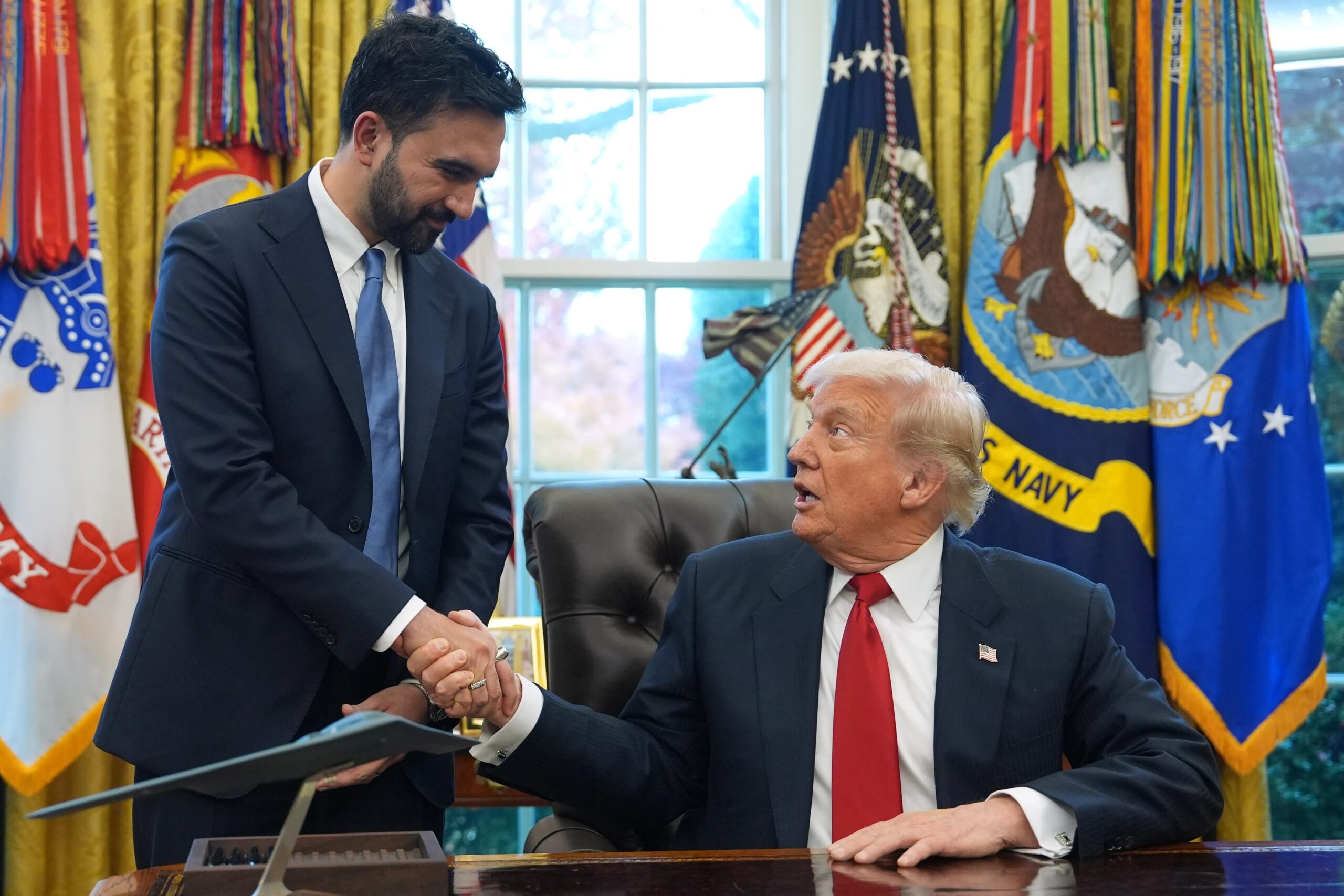
President Donald Trump is taking aim at a controversial property tax in New York City. He warned that a new fee on luxury second homes could cause serious long term harm. In a social media post on Tuesday, he argued that the rule will force high income owners to move away. He stated that the policy will cost the city far more money than it brings in. He noted that wealthy residents pay substantial taxes that fund public services. When those taxpayers leave, the city loses critical support for its future growth.
The rule imposes a surcharge on high value residences that are not primary homes. City leaders created the policy to raise fresh revenue from wealthy owners. However, opponents say the tax penalizes investors and hurts the housing market. Trump called the initiative a dangerous experiment that risks economic safety. He pointed out that low tax states like Texas and Florida stand to gain the most. Those southern states offer low tax burdens and warm weather, making them top choices for movers.
Trump also suggested that federal authorities might look into the matter. He stated that his legal team is reviewing options to intervene before damage occurs. He expressed a desire to keep the city strong and prosperous for all residents. However, he did not name any specific federal statutes or regulations to challenge the tax. White House officials have not yet released additional details about any legal steps or strategy.
The criticism from Trump comes right as the city faces a major court setback. A state judge issued a temporary order stopping parts of the rollout on Monday. The ruling followed a lawsuit filed by three local home owners against the city. The plaintiffs argued that officials rushed the rollout without following proper state guidelines. The judge ordered the city to take down a property roll covering over nine hundred thousand homes.
Under the temporary order, officials cannot collect the new surcharge right now. City agencies must evaluate each property individually and issue formal written notices first. The lawsuit does not seek to strike down the tax rule itself. Instead, it challenges how administrators tried to implement the collection process. The court found that officials moved too fast without giving property owners fair notice.
City spokespeople quickly expressed disagreement with the court decision. A official stated that the administration remains confident in the legality of the surcharge. They believe they can fix the administrative issues and move forward smoothly. Local leaders maintain that the tax will generate needed revenue for essential public projects. They intend to defend the policy in court as legal proceedings continue.
Real estate agents and financial experts share deep concerns about the new fee. They warn that extra costs will discourage buyers from investing in local housing. Lower property sales lead to smaller transfer tax payments and reduced municipal revenue. When wealthy residents shift their permanent address elsewhere, cities lose vital funding for parks, transit, and public safety.
The shift toward low tax states has grown rapidly over recent years. Many families and business owners continue to leave high cost urban centers. Adding extra taxes on high value real estate could accelerate this trend. City leaders must decide whether to adjust their implementation strategy or face longer court battles. Property owners across the region will continue watching the legal developments closely.
