


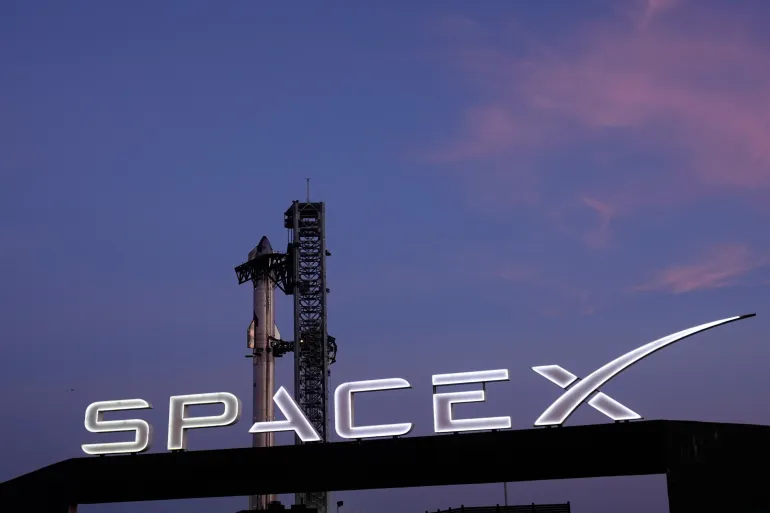
SpaceX is preparing for a major public market debut that could become one of the largest initial public offerings in history. The listing is expected to take place in the United States and has already drawn huge attention from both institutional and retail investors. With a valuation reported at nearly 1.8 trillion dollars, the company’s debut is being closely watched across the global financial system.
The SpaceX IPO comes at a time when investor interest in artificial intelligence and space technology is already at record levels. AI companies such as OpenAI and Anthropic are also preparing for potential public listings in the near future, adding more pressure to a market already driven by high valuations and strong demand.
A new rule change by Nasdaq could allow retail investors to gain access to newly listed mega-cap companies much faster than before. Under the updated framework, stocks may enter major indices within as little as 15 trading days after listing. This reduces the traditional waiting period that previously protected investors from early volatility.
Historically, companies had to demonstrate stable financial performance before being included in major indices like the S&P 500 or Nasdaq-100. This rule ensured that index funds only tracked mature and stable companies. However, recent changes have opened the door for faster inclusion of large firms like SpaceX.
SpaceX has reportedly attracted massive demand ahead of its listing, with some reports suggesting orders worth around 70 billion dollars. Analysts say retail investors may be allocated around 20 percent of shares, giving everyday investors direct access to one of the most valuable private companies in the world.
However, concerns are rising about valuation risks. Some market analysts believe SpaceX may be overvalued compared to its fundamentals. Certain estimates place its fair value significantly lower than the expected IPO price, raising questions about potential losses for long-term investors, including pension funds.
State pension officials have already expressed caution. Some funds have chosen not to directly invest in the offering, instead opting to gain exposure through broader index funds. This approach means many individuals will still be exposed to SpaceX through retirement and pension systems, even without direct investment decisions.
Experts warn that index-based investing means millions of people may be affected automatically, even if they are unaware of the risks. Fund managers are required to track indices closely, meaning they must buy newly added stocks in proportion to their weight, regardless of valuation concerns.
There are also concerns about governance structure. Reports suggest that SpaceX founder Elon Musk could retain up to 85 percent of voting control despite owning a smaller share of total equity. This would give him dominant influence over company decisions and limit shareholder power.
Some public officials have raised concerns that such a structure reduces accountability. They argue that it makes it extremely difficult for boards or investors to remove leadership even if performance declines. Critics say this creates an unusual level of control compared to most large public companies.
The broader concern extends beyond SpaceX. AI companies such as OpenAI and Anthropic are also preparing for IPOs that could reach trillion-dollar valuations. Analysts warn that rapid listing cycles and high valuations could increase systemic risk across financial markets.
University endowments, pension funds, and retirement accounts are already indirectly exposed to these companies through index-linked investments. Some institutions, including major universities, reportedly have significant portions of their portfolios tied to SpaceX-related assets.
Despite concerns, supporters argue that SpaceX represents strong long-term growth potential. The company’s Starlink satellite business continues to expand, with millions of subscribers and growing revenue streams. SpaceX also maintains a record of frequent rocket launches and advanced aerospace capabilities.
Financial projections from major investment banks suggest SpaceX could see strong revenue growth over the coming years. Some estimates place future annual revenue in the hundreds of billions by 2030, driven largely by space infrastructure and satellite services.
However, critics point out that past projections from high-profile tech leaders have often failed to materialise. This history adds uncertainty to long-term forecasts and raises questions about whether current expectations are realistic.
There are also broader concerns about an artificial intelligence investment bubble. With major companies heavily interconnected through partnerships and investments, a downturn in one sector could spread quickly across global markets.
Some economists warn that top tech stocks now represent a large share of major indices, increasing market concentration risk. If companies like SpaceX, OpenAI, or others underperform after listing, the impact could extend far beyond individual investors.
For now, SpaceX remains one of the most anticipated market debuts in recent history. Its IPO is expected to reshape how retail and institutional investors access high-growth technology companies. Whether it becomes a long-term success or a cautionary example will depend on how the company performs once it enters public markets.
