


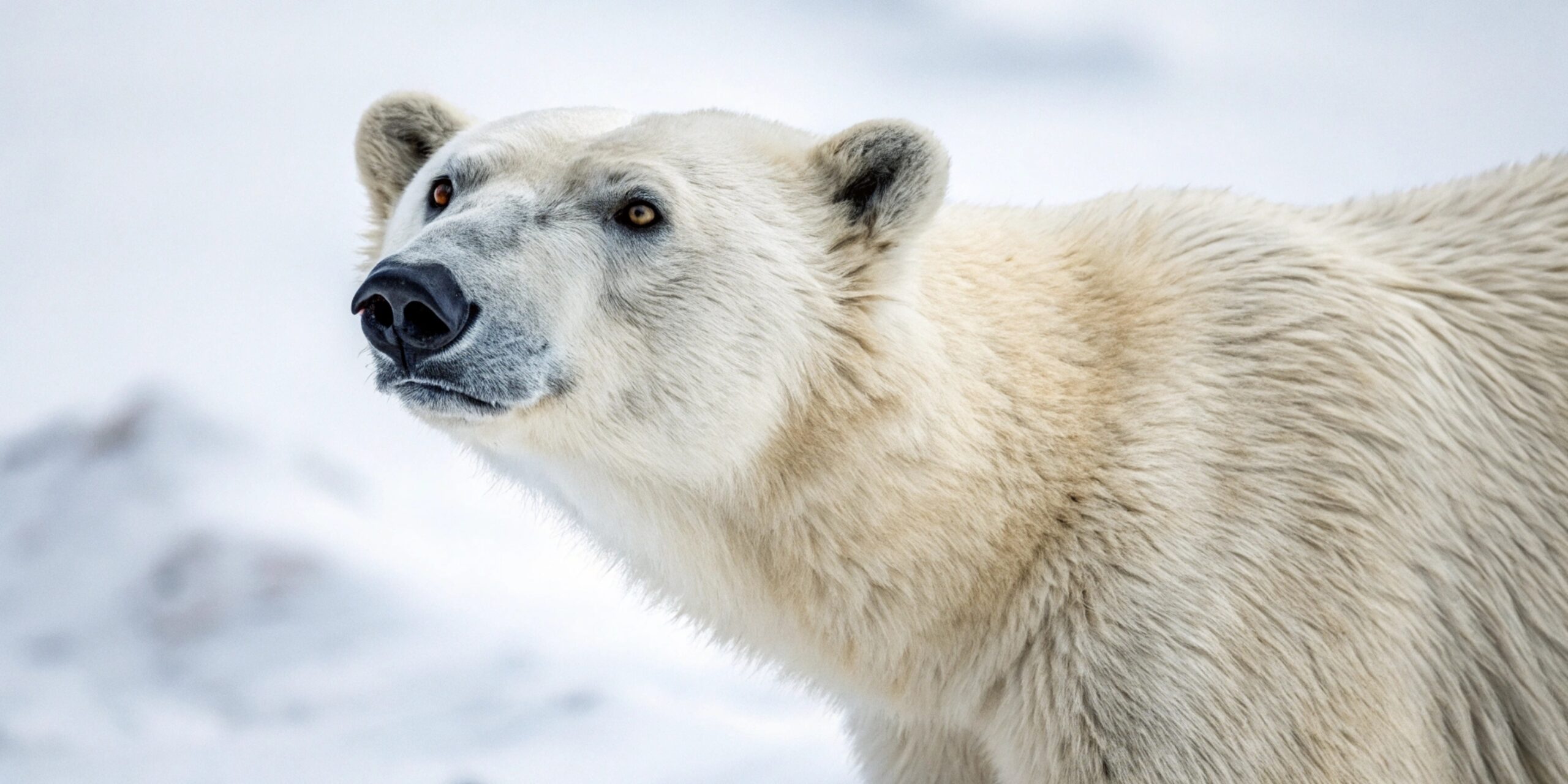
Scientists have identified genetic changes in polar bears that could help them adapt to rising temperatures, marking what researchers believe is the first clear link between climate change and DNA changes in a wild mammal.
A study by the University of East Anglia found that polar bears living in south-east Greenland differ genetically from those in colder northern regions. The research focused on so-called “jumping genes” – mobile pieces of DNA that can influence how other genes behave. These were found to be far more active in bears living in warmer, less icy environments.
Researchers analysed blood samples from bears across Greenland and compared genetic activity with local temperature data. They found that genes linked to heat stress, ageing and metabolism were behaving differently in the south-east, where temperatures fluctuate more and sea ice is less stable.
Dr Alice Godden, the study’s lead author, said the findings suggest polar bears in warmer regions may be rapidly adjusting their DNA as a survival response to melting sea ice. Some genetic changes were linked to fat processing, potentially helping bears cope with scarcer food and more varied, plant-based diets compared with the seal-rich diets of northern populations.
The study, published in Mobile DNA, offers insight into how some polar bear populations might persist in a warming world and could help guide conservation efforts. However, scientists warned the changes do not guarantee survival. With two-thirds of polar bears expected to disappear by 2050, the researchers stressed that cutting fossil fuel emissions remains critical to slowing global heating and protecting the species.
