


The U.S. Supreme Court has ruled that Missouri will use its current congressional map in the 2026 midterm elections. The decision ends a long legal fight over district boundaries and keeps the state on track as voting is already underway.
The ruling came on Friday. The court rejected an effort by Missouri Republicans to bring back a proposed 2025 congressional map. It was the third time the Supreme Court stepped in on the issue.
The justices said changing district lines after election activities have started would create major problems. They warned that switching maps now could confuse voters and disrupt the election process.
In its decision, the court noted that Missouri has already begun important election steps. Ballots have been sent to military members and overseas voters. Absentee voting has also started in some areas.
Because voting is already in progress, the court said it would be wrong to introduce new district boundaries at this stage. The justices pointed to previous court guidance that discourages changes to election rules close to an election.
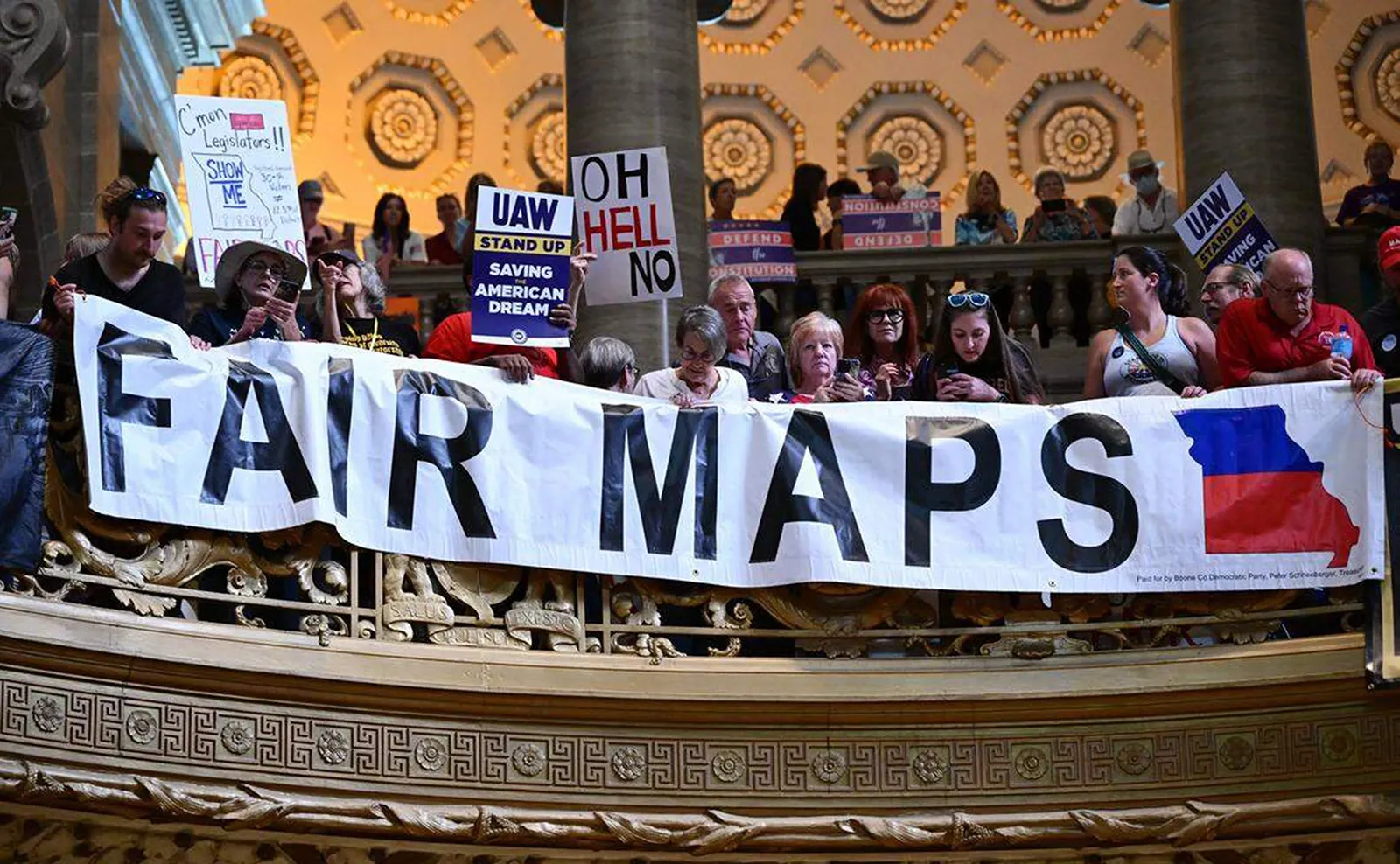
The ruling came after an emergency request from People Not Politicians Missouri. The group has challenged the proposed congressional map throughout the legal process.
The organization argued that the effort to use the new map did not follow procedures required under the Missouri Constitution. Group leaders said voters should decide issues through the proper legal process rather than through last-minute political action.
Richard von Glahn, the executive director of the group, welcomed the court’s decision. He said the ruling brings an end to attempts to put the disputed map into effect.
The outcome means Missouri will continue using the congressional map first adopted in 2022. Under that map, Republicans currently hold six congressional seats while Democrats hold two.
The proposed 2025 map would have changed that balance. One of the most discussed changes involved the district represented by Democratic Congressman Emanuel Cleaver.
Under the proposed boundaries, Cleaver’s district would have been removed. Critics of the plan argued that the change would reduce Democratic representation in the state.
Supporters of the new map said it reflected political realities and population shifts. Opponents argued it was designed to give Republicans a stronger advantage in future elections.
The Missouri dispute became part of a wider national debate over congressional redistricting. Across the country, both major political parties have looked for ways to redraw district boundaries before upcoming elections.
Republicans in several states pushed for maps that could improve their chances of winning House seats. Democrats responded with similar efforts in states where they have political control.
These battles have gained attention because control of the U.S. House often depends on a small number of districts. Even a few changes can affect the balance of power in Congress.
Following Friday’s ruling, Cleaver said he was pleased that the issue had finally been settled. He described the decision as the end of a long period of uncertainty.
Cleaver said the repeated legal challenges created confusion for many voters. He added that people deserve clarity about where they vote and who represents them in Congress.
The congressman said his campaign will now focus on voter education ahead of the midterm election. He wants residents to understand their districts and participate confidently in the election process.
Election officials can now continue preparing for November without worrying about additional map changes. The Supreme Court’s decision gives local offices a clear path forward as ballots continue to be distributed.
The ruling also provides certainty for candidates and voters who have followed the case throughout the year. With the legal dispute resolved, attention can shift back to campaign issues and voter outreach.
For the 2026 midterm elections, Missouri voters will cast their ballots using the 2022 congressional map. The Supreme Court’s decision ensures that those district boundaries will remain in place as the election moves ahead.
