


A federal judge has ruled that the US Justice Department will not be forced to return 2020 election ballots seized from Fulton County, rejecting a legal request from county officials.
Judge JP Boulee issued the decision on Wednesday after reviewing arguments tied to the federal investigation into election materials from the 2020 presidential race.
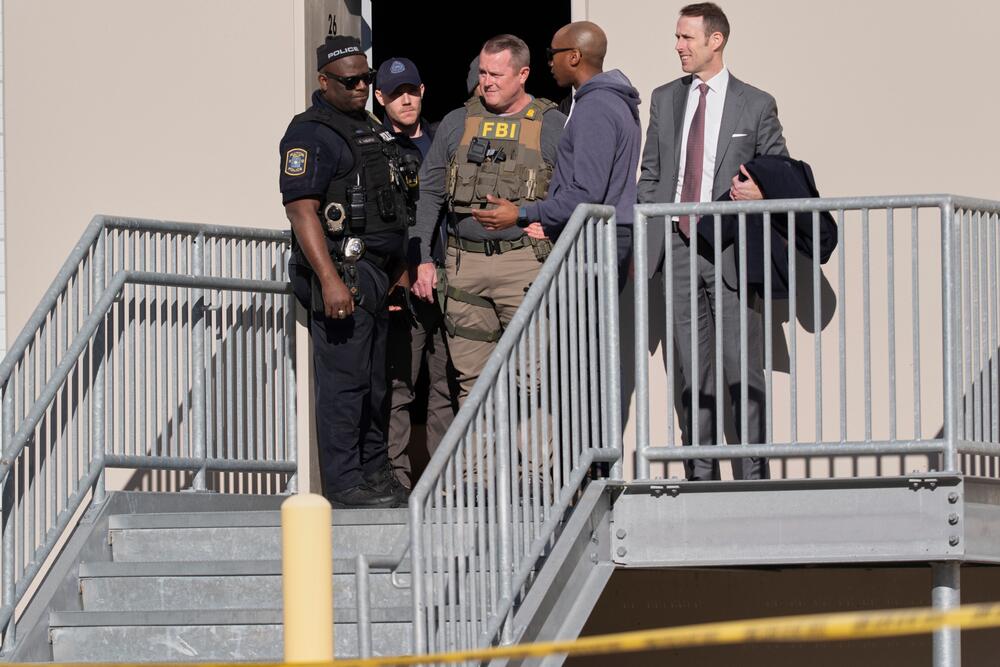
The case centers on ballots and hundreds of boxes of election records taken earlier this year from Fulton County by the FBI.
The county, located in the Atlanta area, became one of the main targets of false election fraud claims following the 2020 election involving Donald Trump.
Federal investigators seized the materials during a late-January search operation that drew strong reactions from election officials and voting rights advocates.
Fulton County officials later filed a legal petition asking the court to order the Justice Department to return the ballots and records.
They argued that the FBI’s search warrant application relied on allegations that had already been investigated and dismissed by other authorities.
County lawyers claimed the FBI failed to fully inform the magistrate judge about earlier investigations that found no intentional wrongdoing in the county’s handling of the election.
In his 68-page opinion, Judge Boulee acknowledged concerns about the warrant affidavit.
He described parts of the document as “problematic,” “troubling,” and in one case “misleading.”
However, the judge said the county failed to meet the high legal standard required for the court to intervene and return the seized materials.
Boulee noted that while the affidavit contained flaws, investigators did include information showing some allegations had already been reviewed by other agencies.
The judge wrote that the situation did not involve investigators intentionally hiding all evidence that could weaken probable cause.
According to the ruling, the FBI also provided some information that challenged the fraud allegations included in the application.
The judge further stated that Fulton County had already received copies of the seized election records from federal authorities.
Because of that, he rejected claims that the county needed the original documents to meet public records requirements or respond to ongoing election fraud accusations.
Fulton County Board of Commissioners Chairman Robb Pitts strongly criticized the decision after the ruling was released.
In a public statement, Pitts said county officials remain concerned about the way federal investigators handled the case.
He argued that the legal challenge had exposed problems within the affidavit and raised questions about the timeline of the federal investigation.
Pitts also confirmed that Fulton County plans to continue pursuing additional legal options.
The case has attracted national attention because of wider concerns surrounding election administration ahead of future US elections.
County officials warned in court filings that the case could create a dangerous example for future federal action involving election materials.
They argued that federal authorities could potentially use similar methods during the 2026 midterm elections.
Judge Boulee addressed those concerns in a footnote within the ruling.
He stated that the seizure of the 2020 ballots did not interfere with the state’s ability to conduct or certify the election results.
The judge also said Fulton County failed to show that the seizure would affect future elections.
Still, the ruling suggested the court might view matters differently if federal agents seized election records while an active election was underway.
The dispute comes as election security and voting procedures remain politically sensitive topics across the United States.
The 2020 presidential election continues to be the subject of legal and political battles despite repeated investigations finding no widespread fraud capable of changing the election outcome.
Fulton County has remained at the center of several high-profile election-related investigations since the 2020 race.
The latest ruling marks another major legal development connected to the continuing national debate over election integrity and federal authority.
