


Eight Nations Secure SAFE Funding
The European Commission has approved defence investment plans from eight EU countries under its €150 billion Security Action for Europe (SAFE) programme. Estonia, Greece, Italy, Latvia, Lithuania, Poland, Slovakia, and Finland will collectively access €74 billion in loans, with Poland requesting €43.7 billion alone.
SAFE is part of the EU’s broader Readiness 2030 initiative, which aims to channel hundreds of billions of euros into defence by the end of the decade. The programme responds to growing concerns that Russia could target another European nation in the near future. This approval follows a first round in January, when Belgium, Bulgaria, Denmark, Spain, Croatia, Cyprus, Portugal, and Romania secured €38 billion in funding.
Turning Strategy into Capability
EU Defence Commissioner Andrius Kubilius emphasized that these investments mark a shift from planning to action. “We are no longer just drafting strategies; we are building a hard-power reality,” he said, adding that the programme sends a strong signal to both European defence industries and potential adversaries.
So far, 19 member states have applied to use SAFE funding, with allocations provisionally agreed last September. The plans from Czechia, France, and Hungary are still pending approval. Ministers now have four weeks to sign off, with the first payments expected in March 2026.
Strengthening European Defence Industry
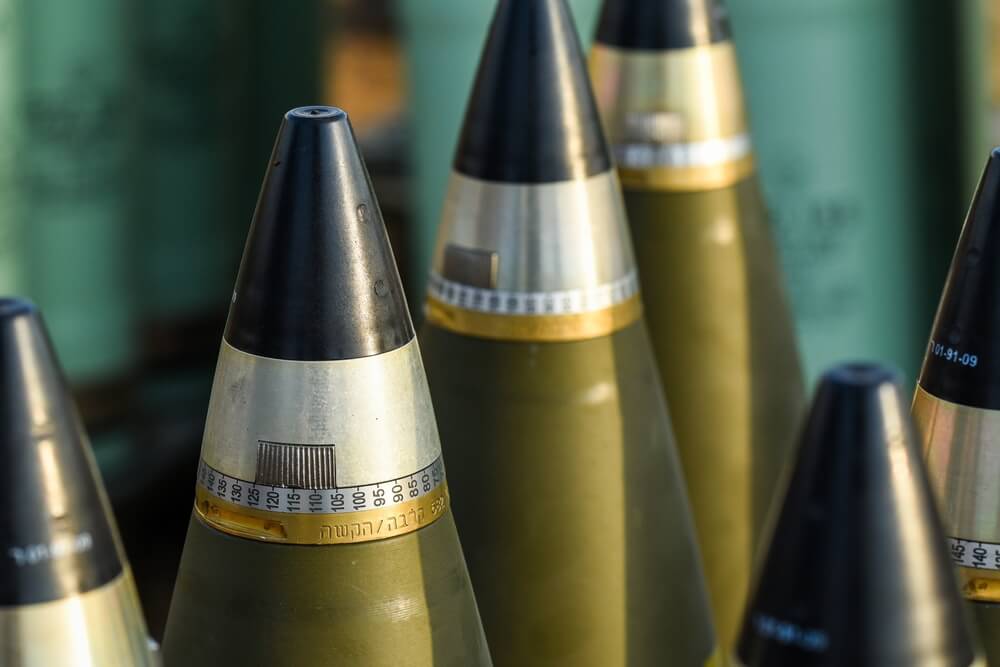
SAFE aims to speed up the procurement of priority defence equipment, including ammunition, missiles, artillery, drones, air and missile defence systems, cybersecurity tools, artificial intelligence, and electronic warfare technologies. A key requirement is that most equipment must be made in Europe, with no more than 35% of component costs sourced from outside the EU, EEA-EFTA countries, or Ukraine. Canada can also participate under a bilateral agreement.
The scheme is particularly advantageous for countries with lower credit ratings, as borrowing through the EU offers better terms than national loans. Germany, with a strong credit rating, chose not to apply. European Commission President Ursula von der Leyen has indicated that the programme could be expanded further, noting that initial applications from 19 countries already exceeded the €150 billion initially allocated.
