


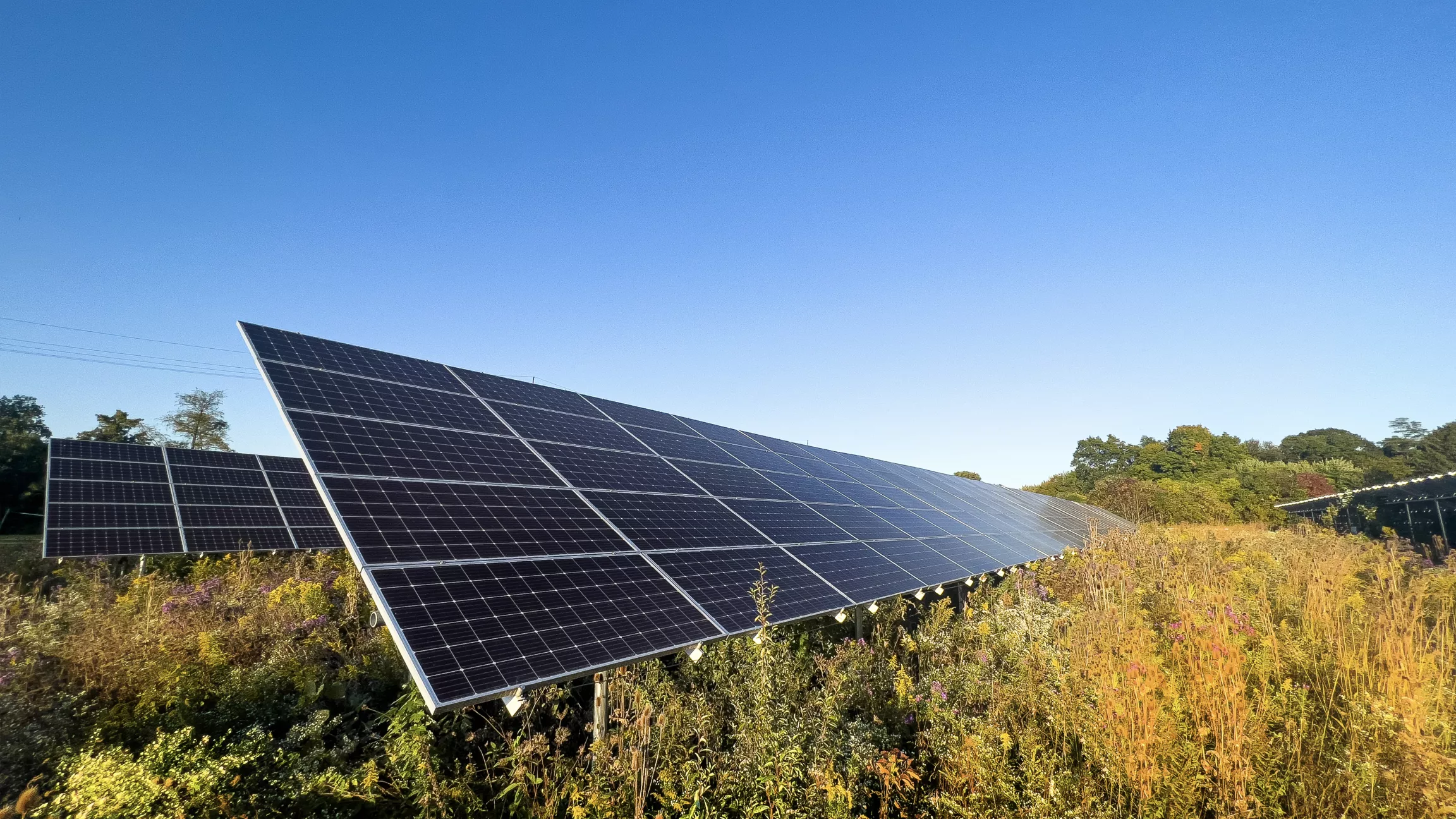
Clean energy innovation is gaining strong momentum across rural America. New small-scale solar solutions are helping households lower electricity costs. They are also improving energy independence in remote communities. The trend is growing as more families look for stable and affordable power options.
Many rural areas face higher energy challenges compared to cities. Homes are often spread out, and grid access can be less efficient. This can lead to higher electricity bills and limited energy options. Small solar systems are now offering a practical solution to these issues.
These systems are designed for easy installation and simple use. They can be set up on rooftops, barns, or open land near homes. Some units also work with battery storage. This allows households to store power for later use, especially during nights or cloudy days.
Experts say clean energy rural America projects are helping close the energy gap. Families in remote areas can now produce part of their own electricity. This reduces dependence on traditional power grids. It also helps protect households from rising energy prices.
Local energy providers are also noticing the change. More rural customers are adopting solar systems to manage long-term costs. Some regions are even seeing community-based solar programs. These allow multiple homes to share renewable energy resources.
The growth of small-scale solar solutions is supported by new technology improvements. Solar panels are now more affordable and efficient than before. Battery systems are also improving, allowing better energy storage. These upgrades make clean energy more accessible for rural households.
Government and local programs are also supporting adoption. Incentives and rebates are helping families reduce installation costs. Some programs offer technical support and guidance. This makes it easier for residents to switch to solar energy.
Energy experts say this shift is important for long-term sustainability. Rural communities often rely on limited infrastructure. Clean energy systems can reduce pressure on local grids. They can also improve resilience during power outages or extreme weather.
Farmers are among the key groups adopting solar solutions. Many use solar energy for irrigation systems, lighting, and equipment. This helps reduce operating costs and increase efficiency. Some farms are even producing surplus energy that can be stored or shared.
Small businesses in rural areas are also benefiting. Lower electricity bills allow them to invest more in operations. This supports local economies and job stability. Clean energy is becoming a practical business tool, not just an environmental choice.
Experts say awareness is also increasing. Community programs and workshops are helping residents understand solar benefits. People are learning how to install and maintain systems. This is speeding up adoption in many regions.
Despite strong growth, challenges remain. Initial installation costs can still be high for some families. Weather conditions can also affect energy production. However, long-term savings often outweigh these issues, according to energy analysts.
Researchers say future improvements will make systems even more efficient. Better storage technology and smarter energy management tools are expected. These changes could further boost clean energy rural America expansion in the coming years.
Energy planners believe rural solar growth will continue to rise. Demand for independent and affordable power is increasing. As technology improves and costs fall, more households are expected to adopt clean energy systems.
Overall, the shift toward small-scale solar solutions is reshaping energy use in rural America. It is helping families reduce costs, gain independence, and move toward a more sustainable future.
