


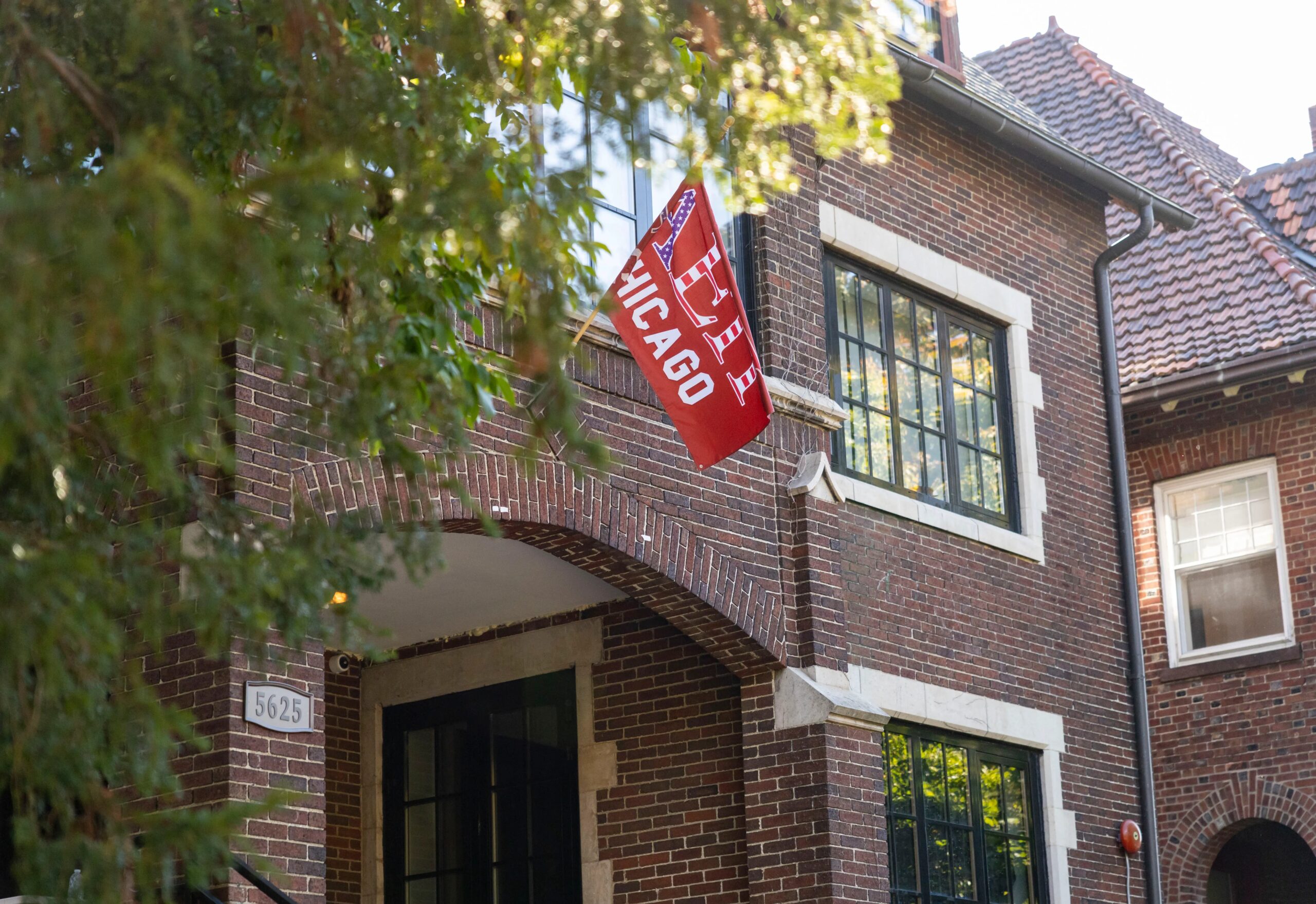
A 21-year-old woman has reported an alleged sexual assault at a fraternity house near the University of Chicago. The incident took place early Sunday at an off-campus home linked to Alpha Epsilon Pi.
The case has renewed concerns about safety at college parties across the United States. Fraternities face growing pressure to prevent sexual abuse, hazing, and other forms of misconduct.
The university’s daily crime log said the incident was reported at about 1.50am on Sunday. Police are still investigating the case. No arrests had been made as of Wednesday afternoon.
According to a police report, the woman told officers she was not fully conscious when she was found in a bathroom with a man. Both were partly undressed, the report said.
She also told police that a group had first stopped her friends from entering the bathroom. The report did not explain why they were blocked or give further details about what happened inside.
University officials said they had identified a person of interest. The individual is not a student and has been banned from campus, officials said in a notice released on Wednesday.
The campus ban does not mean the person has been charged with a crime. Police said their work was still ongoing, and no one was in custody.
A spokesperson for Alpha Epsilon Pi said there was no evidence that fraternity members took part in the alleged assault or knew about it before it was reported.
Jonathan Pierce, the fraternity’s spokesperson, said several members had served as sober monitors during the party. The chapter’s safety officer was among those present, he said.
Pierce said members offered help after learning of the woman’s report. They gave her food and water and lent her a shirt because she said she was cold while waiting outside for emergency workers.
He also welcomed the news that a person of interest had been identified. Pierce said he hoped the woman would find some comfort as the case moved forward.
Police have not released further details about the alleged assault. Investigators are working to establish what happened at the house and whether anyone else may have been involved.
The case comes as universities across the country face fresh scrutiny over fraternity safety. Critics say schools must take reports of sexual violence seriously and ensure that people can seek help without fear.
A reported gang rape at a Cornell University fraternity house in 2024 has also drawn renewed attention. News of the alleged attack led to public anger and questions about how the university handled the case.
New York state prosecutors have reopened an investigation into the Cornell report. The move has added to calls for stronger action on campus safety and a closer review of how schools respond to claims of sexual abuse.
Cornell has also suspended all fraternity parties for the rest of the academic year. The university said the pause would allow it to review safety within its Greek societies.
The University of Arizona took a similar step last week. It halted all fraternity activity after several allegations of hazing and physical assault.
The claims included reports that a Greek group had pressured new recruits to drink large amounts of alcohol and swallow live goldfish. The allegations have raised further concerns about dangerous initiation practices.
These cases have added to a wider debate about the role of fraternities on college campuses. Critics argue that parties and private houses can create risks when safety rules are weak or reports of misconduct are not handled well.
Fraternity houses may also sit outside university property. This can make oversight more complex, even when schools have the power to ban people from campus or suspend student groups.
Police remain responsible for investigating possible crimes and deciding whether charges are supported by the evidence. University officials can also take steps to protect students while an investigation continues.
In Chicago, officials have not announced any charges in the case. The person of interest has not been publicly named, and police have not given a timeline for the next steps.
The investigation continues as colleges face calls to improve safety at parties and respond more clearly to reports of misconduct. The case has once again placed fraternity rules and campus protection under public scrutiny.
