


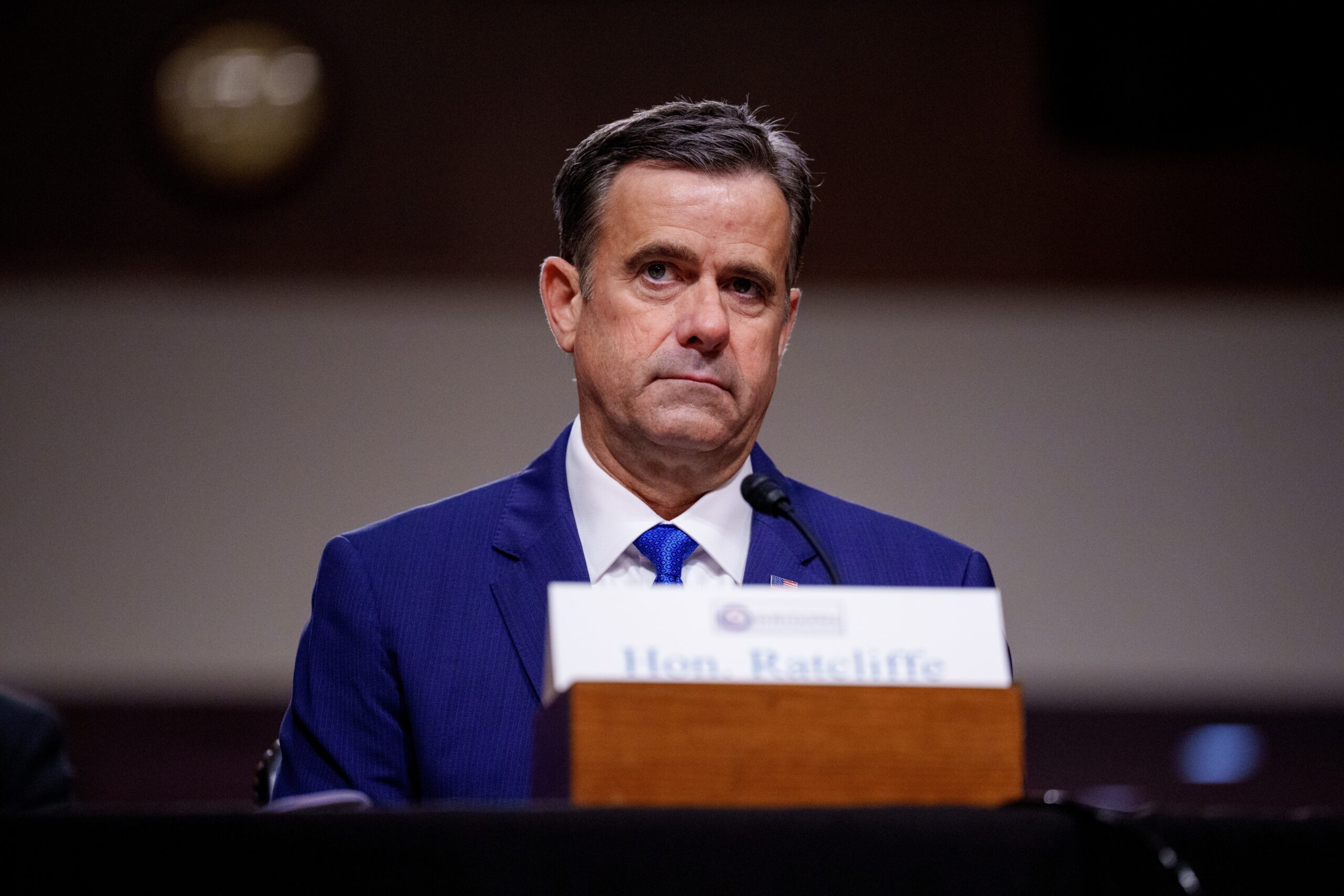
The CIA Moscow Warning Visit has become a major topic in international diplomacy after reports revealed that U.S. Central Intelligence Agency Director John Ratcliffe traveled to Russia for talks with senior intelligence officials. The visit comes at a time when tensions linked to the Ukraine war remain high and concerns about wider regional instability continue to grow.
The trip became public after observers tracked a U.S. Air Force aircraft arriving in Moscow. Images and videos shared online also appeared to show a diplomatic convoy moving through the Russian capital. The visit quickly attracted attention because it represented Ratcliffe’s first publicly known trip to Moscow since taking charge of the CIA.
According to reports citing people familiar with the discussions, the primary goal of the visit was to communicate American concerns directly to Russian officials. The message reportedly focused on preventing any action that could expand the conflict beyond Ukraine and increase the risk of confrontation with NATO.
The reported warning reflects growing concern among Western governments about the possibility of further escalation. While the war remains centered in Ukraine, military activity has intensified in recent months.
Russia and Ukraine have launched larger drone and missile attacks against each other, with strikes reaching locations far from the front lines. These operations have increased fears that the conflict could become more dangerous if miscalculations occur or if neighboring countries are drawn into the crisis.
Diplomatic experts often view direct communication between intelligence agencies as an important way to reduce misunderstandings during periods of tension. Even when political relations remain strained, intelligence contacts can help deliver messages quickly and clearly.
Reports indicate that the Moscow discussions may have included other international security issues as well.
One topic reportedly involved Iran and the future of global shipping routes. Sources familiar with the talks said Ratcliffe raised concerns about maritime trade and economic pressure measures connected to Tehran.
The issue has gained importance following months of conflict involving the United States, Israel, and Iran. American officials have repeatedly stated that they are prepared to increase economic pressure if key shipping routes remain disrupted.
Particular attention has been placed on the Strait of Hormuz, one of the most important waterways in the world. A large share of international oil shipments passes through the route every day. Any interruption to traffic can affect energy supplies, fuel prices, and global markets.
Iran maintains trade relationships with several major economies, including China, Turkey, and the United Arab Emirates. Russia also shares significant economic and military ties with Tehran, making discussions about Iran an important part of broader geopolitical conversations.
Official responses to the reported visit have remained limited.
American intelligence officials did not immediately provide detailed public comments regarding the discussions. Russian authorities also released only limited information.
Kremlin spokesperson Dmitry Peskov confirmed that contacts occurred through intelligence channels but stated that Ratcliffe did not meet Russian President Vladimir Putin during the visit.
Peskov declined to discuss the specific subjects covered during the talks. He also avoided confirming whether Ukraine or Iran were the main focus of the meetings.
Meanwhile, U.S. President Donald Trump described the engagement as a routine contact between intelligence officials. Speaking during an interview, Trump suggested that positive developments could emerge from the discussions and reiterated his desire to see an end to the war between Russia and Ukraine.
His remarks highlighted ongoing efforts to keep diplomatic channels open despite continued military confrontation.
Since the beginning of the conflict, Western governments have supported Ukraine while attempting to prevent a direct clash between Russia and NATO. At the same time, communication between Washington and Moscow has continued through selected diplomatic and intelligence channels.
Analysts note that such contacts are often critical during periods of international uncertainty. Direct discussions can help reduce risks, clarify intentions, and prevent misunderstandings that could lead to broader conflict.
The CIA Moscow Warning Visit underscores the importance of dialogue during a time of rising global tension. As fighting continues in Ukraine and concerns persist about regional stability, governments are closely monitoring diplomatic efforts that could influence future developments.
While the full details of the Moscow discussions remain undisclosed, the visit demonstrates that communication between major powers continues even during periods of significant geopolitical strain.
