


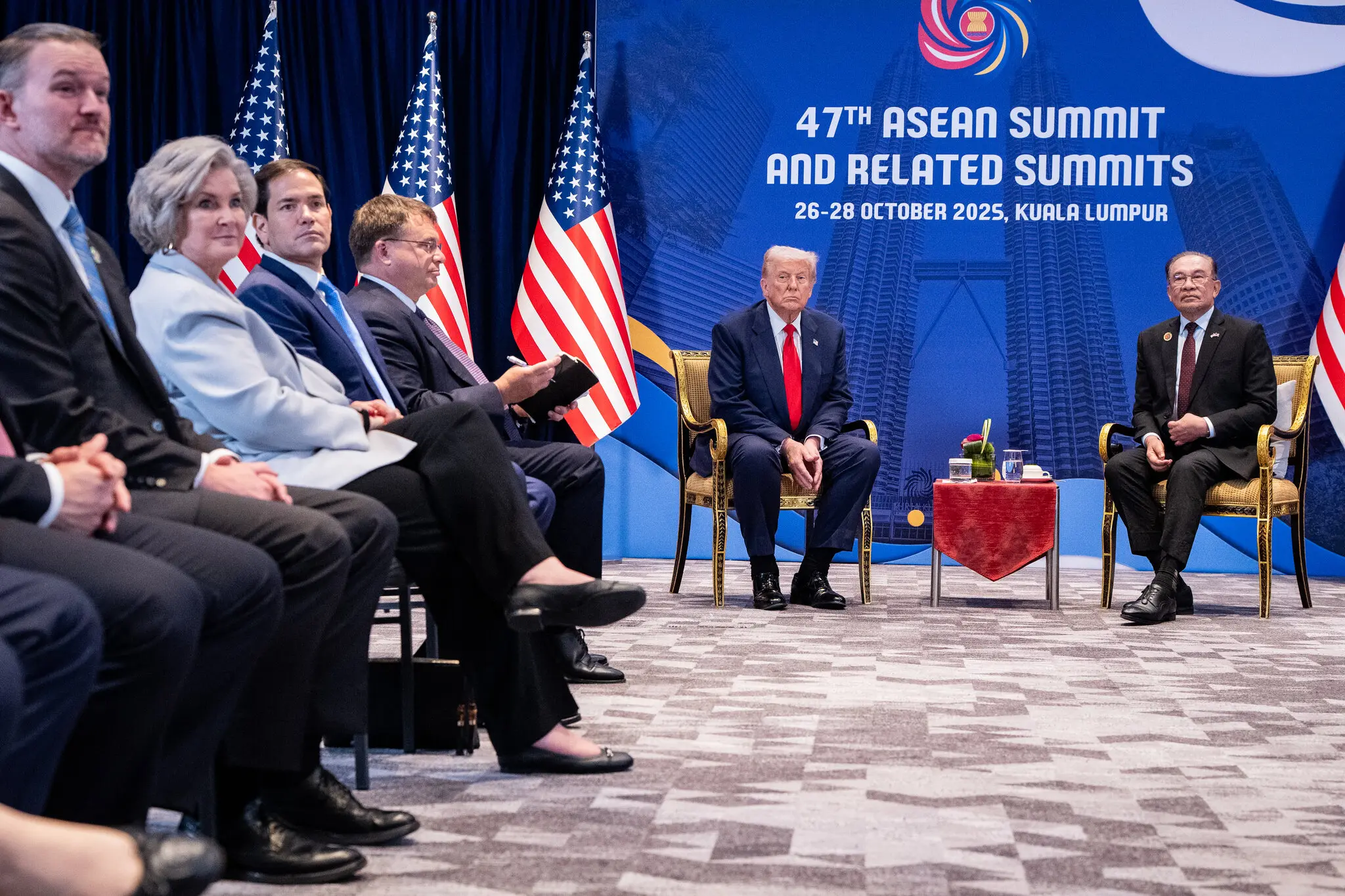
President Trump has finalized key trade and mineral agreements with Southeast Asian countries, marking a significant step in strengthening economic ties. These deals aim to enhance trade relations, secure access to critical minerals, and support the growth of the U.S. economy.
The agreements focus on minerals essential for technology, defense, and renewable energy sectors. By securing these resources, the United States can reduce reliance on other regions and ensure a more stable supply chain for industries that drive innovation. Analysts emphasize that access to critical minerals is increasingly vital for national security and technological competitiveness.
Trade officials noted that the agreements include expanded cooperation on exports and imports, as well as measures to simplify customs processes. These initiatives are expected to facilitate smoother trade flows and lower costs for businesses on both sides. “Strengthening trade ties with Southeast Asia benefits U.S. industries and helps create jobs at home,” said a senior trade advisor.
The agreements also signal a broader effort to diversify U.S. supply chains. By partnering with multiple Southeast Asian nations, the United States aims to reduce vulnerabilities from overreliance on a single supplier or region. This strategy is particularly relevant for high-demand minerals like rare earth elements, which are critical for electronics, batteries, and clean energy technologies.
Economists suggest that these trade and mineral deals could have a positive impact on the U.S. economy. Lower tariffs, streamlined regulations, and secured mineral supplies are expected to reduce costs for manufacturers and increase the competitiveness of American products globally. Investors reacted positively to news of the agreements, boosting confidence in related sectors.
The deals reflect a shift toward proactive economic diplomacy. By engaging directly with Southeast Asian partners, the United States is signaling its commitment to long-term collaboration. This approach not only strengthens bilateral relations but also positions the U.S. as a reliable partner in regional trade networks.
Industry leaders welcomed the agreements, highlighting their potential to support technological innovation and sustainable energy projects. Securing a stable supply of critical minerals ensures that U.S. companies can meet growing global demand for advanced technologies without facing supply disruptions.
The agreements are expected to include ongoing consultations to monitor implementation and address emerging challenges. Both the United States and its Southeast Asian partners expressed a commitment to working together to ensure that trade and mineral flows remain efficient and reliable. Analysts note that the success of these agreements could serve as a model for future U.S. trade initiatives in other regions.
Reducing reliance on other regions for key minerals is a strategic priority. The agreements with Southeast Asia are designed to ensure a continuous supply of materials crucial for electronics, renewable energy, and defense industries. This proactive approach may help mitigate risks associated with global supply chain disruptions.
Financial markets responded favorably to the news, particularly in sectors tied to technology and industrial production. Observers say that these agreements are likely to encourage further investment and economic collaboration between the United States and Southeast Asian nations.
While challenges remain, including regional competition and logistical hurdles, the agreements mark a positive development in U.S.-Southeast Asia relations. Both sides highlighted the importance of dialogue, mutual benefit, and long-term economic growth as guiding principles for future cooperation.
By focusing on critical minerals and trade expansion, the agreements underscore a strategic approach to economic security and technological advancement. These steps aim to deliver tangible benefits for the United States while reinforcing partnerships in Southeast Asia.
