


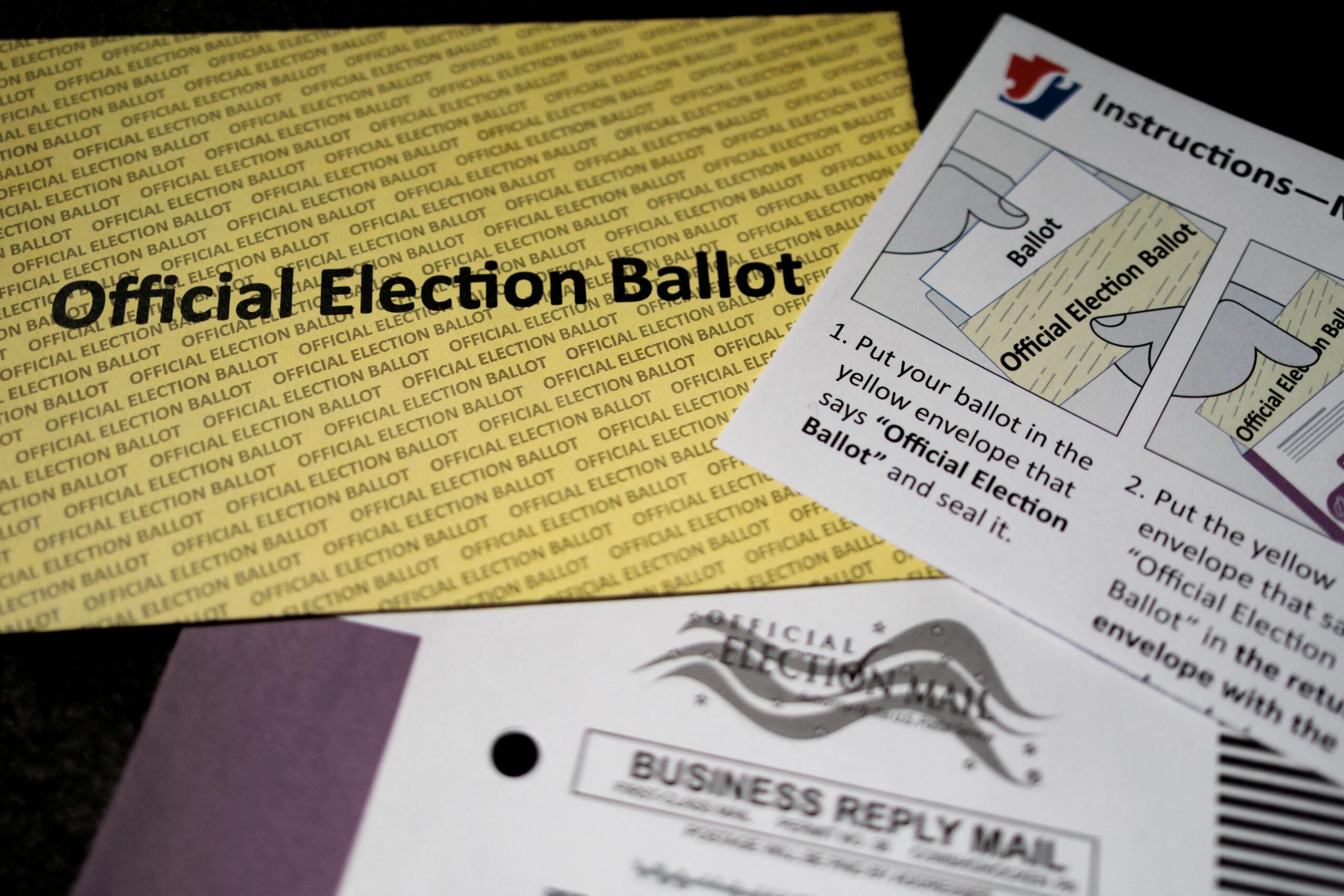
The US Supreme Court has dealt another legal setback to President Donald Trump by rejecting his administration’s request to set aside thousands of ballots in California. The decision came on Monday, just hours before the final day of voting in the important midterm elections.
The dispute involved around 20,000 people listed on California’s voter rolls. The Trump administration claimed these voters were likely not US citizens. It asked the courts to order California to keep their ballots separate until their citizenship could be checked.
However, the Supreme Court refused to grant the emergency request. The justices did not provide a public explanation for their decision. No member of the court publicly disagreed with the outcome.
The ruling marked another defeat for Trump’s efforts to influence election procedures before the votes were counted. The midterm elections will determine which party controls Congress during the final two years of his second term in the White House.
California Governor Gavin Newsom praised the decision. He said the Supreme Court had rejected the administration’s request without even asking the opposing side to submit a response.
In a post on X, Newsom described the outcome as a victory for democracy. His comments came after several courts had refused to support the federal government’s attempt to challenge the ballots.
The Justice Department had already suffered losses in lower courts. Both a federal district court and the Ninth Circuit Court of Appeals rejected the request to separate the disputed votes.
The administration wanted the ballots held aside while officials checked the citizenship status of the people involved. However, the courts did not grant the emergency relief it sought.
California Attorney General Rob Bonta also welcomed the Supreme Court’s action. He said the federal government had now lost four times in its efforts to interfere with the state’s election process.
Bonta pointed to rulings from the district court, the Ninth Circuit and the nation’s highest court. He argued that the latest decision should bring an end to the administration’s attempts to disrupt California elections through emergency legal action.
The Supreme Court did not issue a detailed opinion in the case. Such brief decisions are common when the justices review emergency applications. The court can reject a request without explaining its full reasoning.
The latest setback follows another major voting-related defeat for Trump in September. At that time, the Supreme Court rejected his effort to place new restrictions on mail ballots across the country.
The justices have supported the Trump administration in several other emergency appeals. However, their latest action shows that the court was not willing to approve the federal government’s request in the California case.
The dispute has also drawn attention to the limits of federal power over state election systems. California officials have strongly opposed the administration’s efforts to challenge the state’s voter records.
Federal officials raised concerns about the citizenship status of thousands of registered voters. US law does not allow noncitizens to vote in federal elections. However, any attempt to change how ballots are handled must follow legal rules and protect eligible voters.
The administration wanted California to take action before the citizenship checks were complete. State officials opposed the request, which could have affected thousands of ballots.
The California case was not the only election dispute involving Trump’s administration.
A separate legal fight in Alaska focused on the future certification of election results. The case involved a possible Democratic victory in a Senate race. A judge dismissed a lawsuit backed by Trump that sought to prevent the certification of the results.
The judge rejected the case without holding a hearing. The dispute raised questions about efforts to challenge election outcomes before the final results were confirmed.
Together, the cases have increased attention on the role of federal officials and courts in state election matters. They have also highlighted the legal limits on attempts to change voting procedures during an election.
The midterm elections remain important because their results will shape the balance of power in Congress. Control of both chambers can affect the president’s ability to pass laws and carry out his political plans.
The Supreme Court’s decision leaves the lower court rulings in place. It also delivers another setback to Trump’s legal campaign over election rules as voters take part in a closely watched political contest.
