


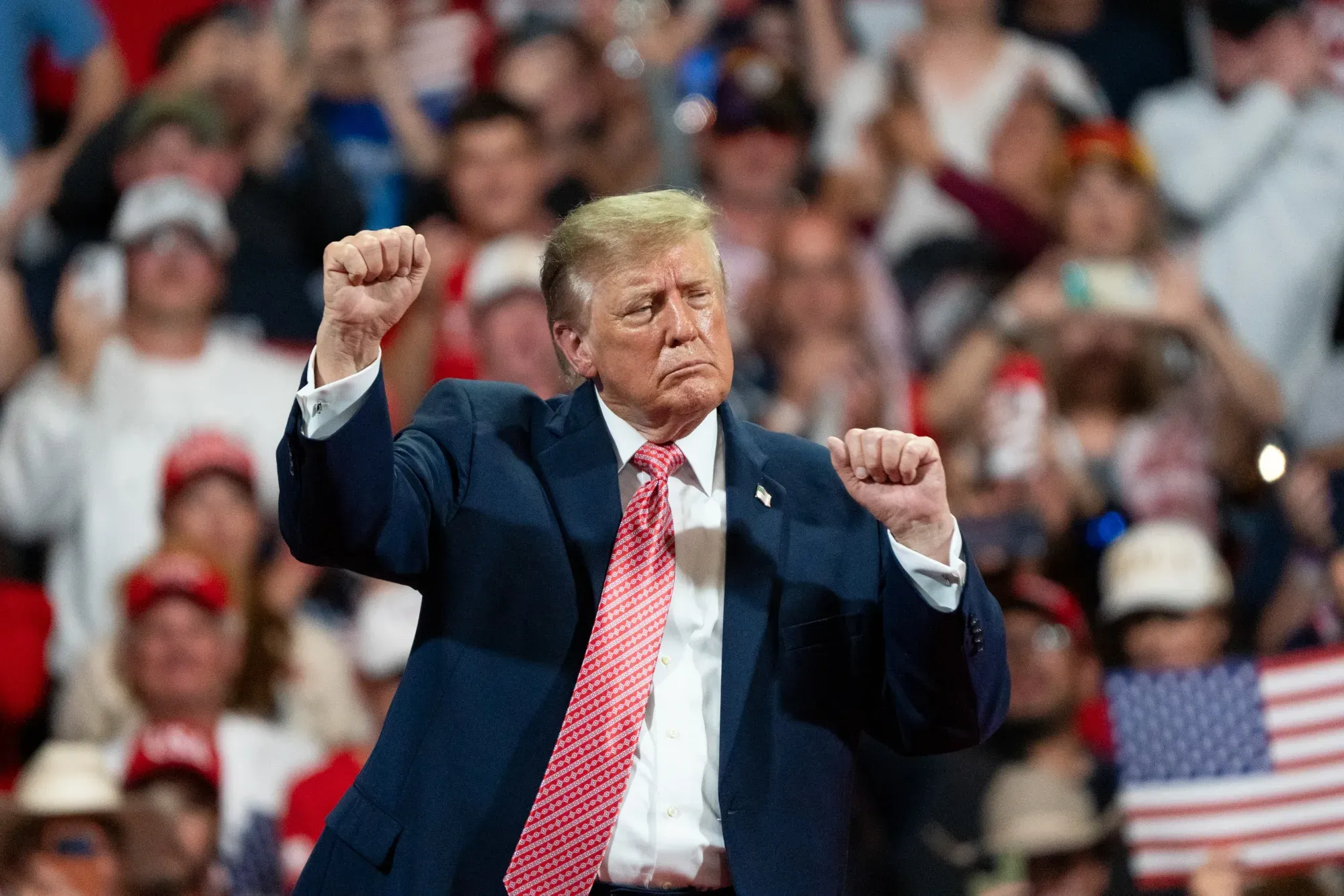
Donald Trump won the 2024 presidential election with a clear promise to lower prices. But many Americans say their lives have become more costly since he returned to the White House. Rising prices, falling public support and growing anger could hurt Republicans in the 2026 midterm elections.
The president is facing strong opposition as voters blame his policies for the high cost of daily life. While presidents often receive too much credit or blame for the economy, some of Trump’s choices have had a direct effect on prices.
The war with Iran has pushed energy costs higher. His tariffs have also raised the cost of some goods. Together, these issues have added pressure on families already struggling to manage their budgets.
The economic divide is also growing. Wealthy Americans have gained from rising stock prices, especially in companies linked to artificial intelligence. Many other households face high living costs, slow wage growth and an uncertain job market.
Interest rates are also making life harder. Higher borrowing costs can make it more expensive to buy a home or a car. For many families, the dream of making a major purchase is moving further away.
A recent NPR, PBS News and Marist poll found that 44% of people said their financial situation had mostly stayed the same. Another 38% said it had become worse. Just 15% reported that their finances had improved.
These concerns come as voters also question the administration’s strict immigration policies. Cuts to programs such as Medicaid and other health services have added to the debate. Efforts to reduce rules and shrink the federal workforce have also angered some voters.
These problems could weaken Republican support among voters who do not always back one party. They may also encourage more Democrats to take part in the election.
History offers little comfort to the party in power. US presidents often lose support during the middle of their terms, and their parties tend to lose seats in Congress during midterm elections.
Since World War II, the president’s party has gained House seats in only two midterm elections. On average, it has lost 26 seats. The losses have been greater when a president’s approval rating has fallen below 50%.
In those cases, the president’s party has lost an average of 35 House seats. When approval ratings are above 50%, the average loss falls to 15 seats. Trump’s low approval ratings could therefore place Republicans at a disadvantage.
Democrats have also shown signs of strength during his second term. They have performed better than expected in several special elections and made strong gains in the 2025 elections held outside the regular federal cycle.
The political climate has become harder for Republicans since then. The unpopular war with Iran and higher fuel prices have added to voter concerns. Current trends suggest Democrats have a strong chance of winning control of the House. They are also closer to winning the Senate than many observers expected at the start of the election cycle.
However, the size of any Democratic victory remains uncertain.
One key limit is the number of competitive House races. Ratings from the Cook Political Report show about 30 fewer competitive districts this year than in 2018. That year, Democrats gained more than 40 House seats.
Changes to voting district maps may also help Republicans keep their seats. President Trump urged Republican-led states to redraw maps in ways that could give his party an advantage.
An NPR analysis estimated that the redistricting changes gave Republicans an advantage of about eight House seats. The final effect may depend on voter choices in key areas, including South Texas, where Latino voters could play an important role.
Republicans are not the only party facing challenges. Democrats also have low public standing and have struggled to keep some voters satisfied. Some people who might normally support Democrats remain unhappy with the party’s direction.
Still, voters who strongly oppose Trump may help Democrats. The latest NPR poll found that 44% of respondents said their vote was mainly against Trump. Just 21% said their vote was mainly for him.
The poll also found strong interest among people who identify as democratic socialists. Many in this group strongly disapprove of Trump’s performance and may be motivated to vote.
That could help Democrats in the short term. But tensions within the party may grow as the next presidential primary contests draw closer. Differences over policy, leadership and political strategy could test party unity.
For now, rising prices and anger over the administration’s choices remain major risks for Republicans. The midterm results will show whether those concerns are strong enough to change control of Congress.
