


Hurricane Isaias has killed four people and left about 500,000 without power across parts of the southern United States. Strong winds and heavy rain damaged homes, uprooted trees and flooded roads. Emergency crews continued rescue work as officials warned that dangerous conditions could remain.
Two deaths were reported in Florida and two in Alabama. Many homes and businesses lost electricity by Saturday evening. Fallen trees blocked roads, while strong winds damaged roofs and other structures. Floodwater also trapped people in vehicles, forcing emergency teams to act.
Isaias reached Florida late Friday with maximum sustained winds of 105 miles per hour. This is about 168 kilometres per hour. The storm later weakened and became a post-tropical cyclone.
Florida, Alabama and Georgia declared states of emergency before the storm arrived. Florida and Alabama also ordered thousands of people to leave areas at risk. Officials warned residents to follow safety advice as the storm moved through the region.
Storm Deaths Reported in Florida
Two storm-related deaths occurred in Escambia County, Florida. Local Sheriff Chip Simmons said one victim was a woman who died when a tree fell on her home.
Her husband, Joey Williams, said the couple had gone outside to take pictures of the storm damage. They returned indoors, but a tree soon crashed through the roof. Williams managed to escape, while his wife died in the incident.
The case showed that storm dangers can continue even after people return inside. Falling trees can damage roofs and walls without warning. Officials have urged residents to stay away from damaged trees and avoid areas where branches may fall.
Another death in Escambia County was linked to a generator. A man died from carbon monoxide poisoning after a generator was used in a garage without proper airflow. Four other people from the same house were taken to hospital.
Carbon monoxide is a dangerous gas that has no colour or smell. It can build up quickly when fuel-powered equipment runs in an enclosed space. Officials warn that generators must be kept outside and away from doors, windows and air vents.
Power cuts often lead people to use backup generators. However, unsafe use can create another serious threat during an emergency. Authorities have urged residents to read safety instructions and never run generators inside homes or garages.
Flooding Forces Rescue Teams to Act
Floodwater created more problems across Florida. The Florida National Guard shared details of a rescue involving a truck stuck in a flooded ditch. Soldiers entered the water and helped the people inside the vehicle reach safety.
Governor Ron DeSantis warned that flooding remained a serious risk. He described conditions as very dangerous and urged people to take official warnings seriously. Residents were told to avoid flooded roads and follow instructions from local emergency teams.
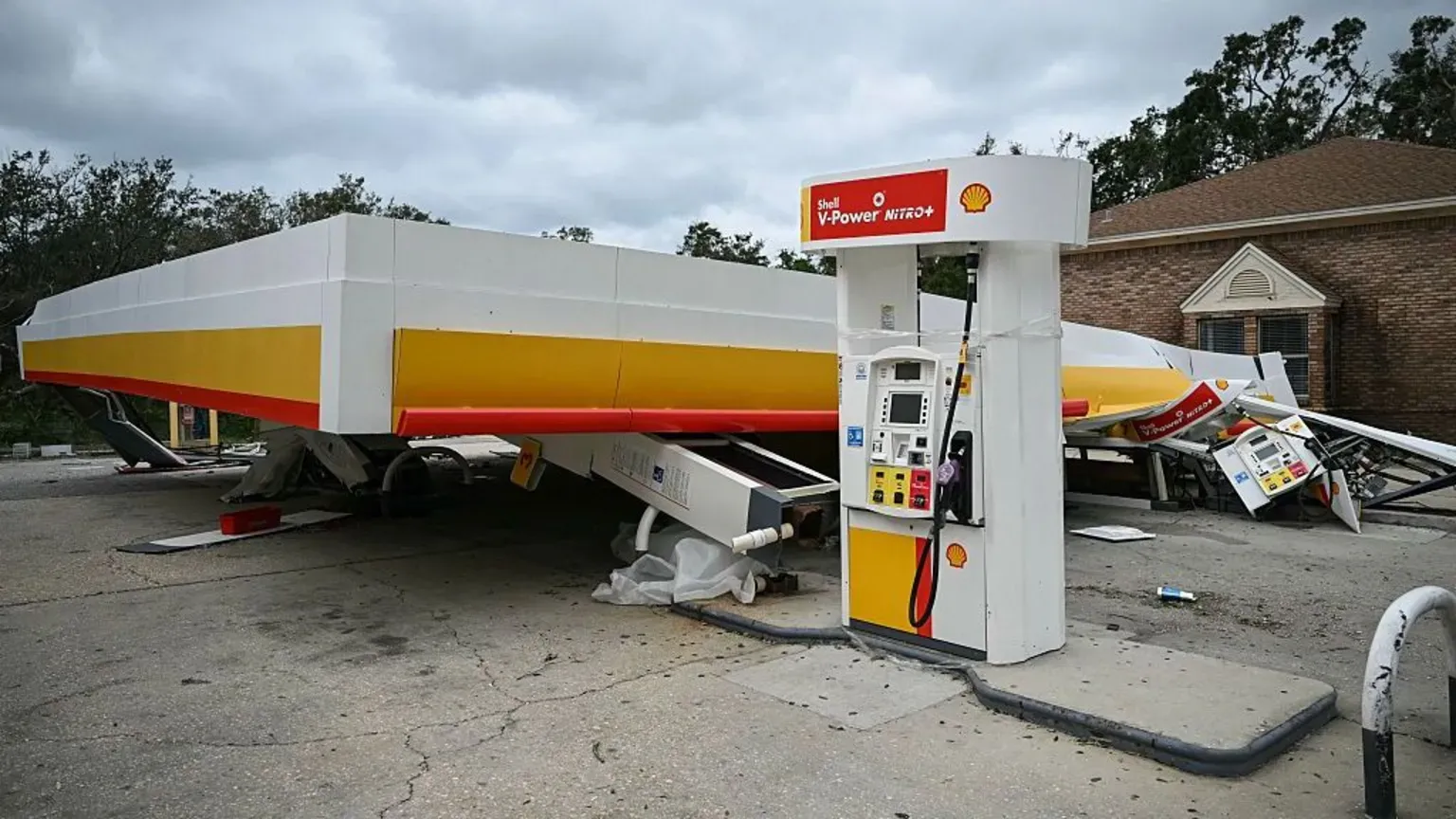
Images from Florida showed damage to homes and public facilities. In Milton, strong winds blew the roof off an apartment complex. A petrol station canopy also collapsed in Gulf Breeze as the storm passed through the area.
Fallen trees, blocked roads and damaged buildings added to the work facing emergency crews. Power companies also had to assess damaged lines and begin restoring electricity. The full cost of the damage was not yet clear.
Alabama Reports Two Deaths
Alabama also suffered deaths and storm damage. A sheriff was injured when a tree fell on him while he was responding to a car crash.
Governor Kay Ivey confirmed that two people had died in the state. Her public statement did not give further details about the circumstances of their deaths.
Ivey also warned that strong winds and heavy rain could lead to tornadoes in parts of Alabama. She asked residents to follow trusted weather reports and check for new warnings before travelling.
Officials across the affected states urged people to stay alert as crews assessed the damage. Residents were also advised to avoid downed power lines and roads blocked by trees or floodwater.
More Storms Threaten North America
Other storm systems were also drawing attention across North America. Hurricane Simon had strengthened to Category 4 in the Pacific Ocean and was moving toward Mexico’s Pacific coast. It was expected to make landfall overnight.
Tropical Storm Rachel was also forecast to affect southern California later on Saturday. Officials and residents were monitoring both systems as the risk of severe weather continued.
The deaths and widespread power outages caused by Isaias highlight the risks linked to powerful storms. Emergency teams continued rescue work, while officials urged residents to follow safety guidance and avoid dangerous areas.
Restoring electricity and clearing blocked roads remained key tasks. Authorities also stressed that people should not drive through floodwater or use generators in enclosed spaces. Residents were advised to keep checking official updates while crews worked to assess the storm’s full impact.
