


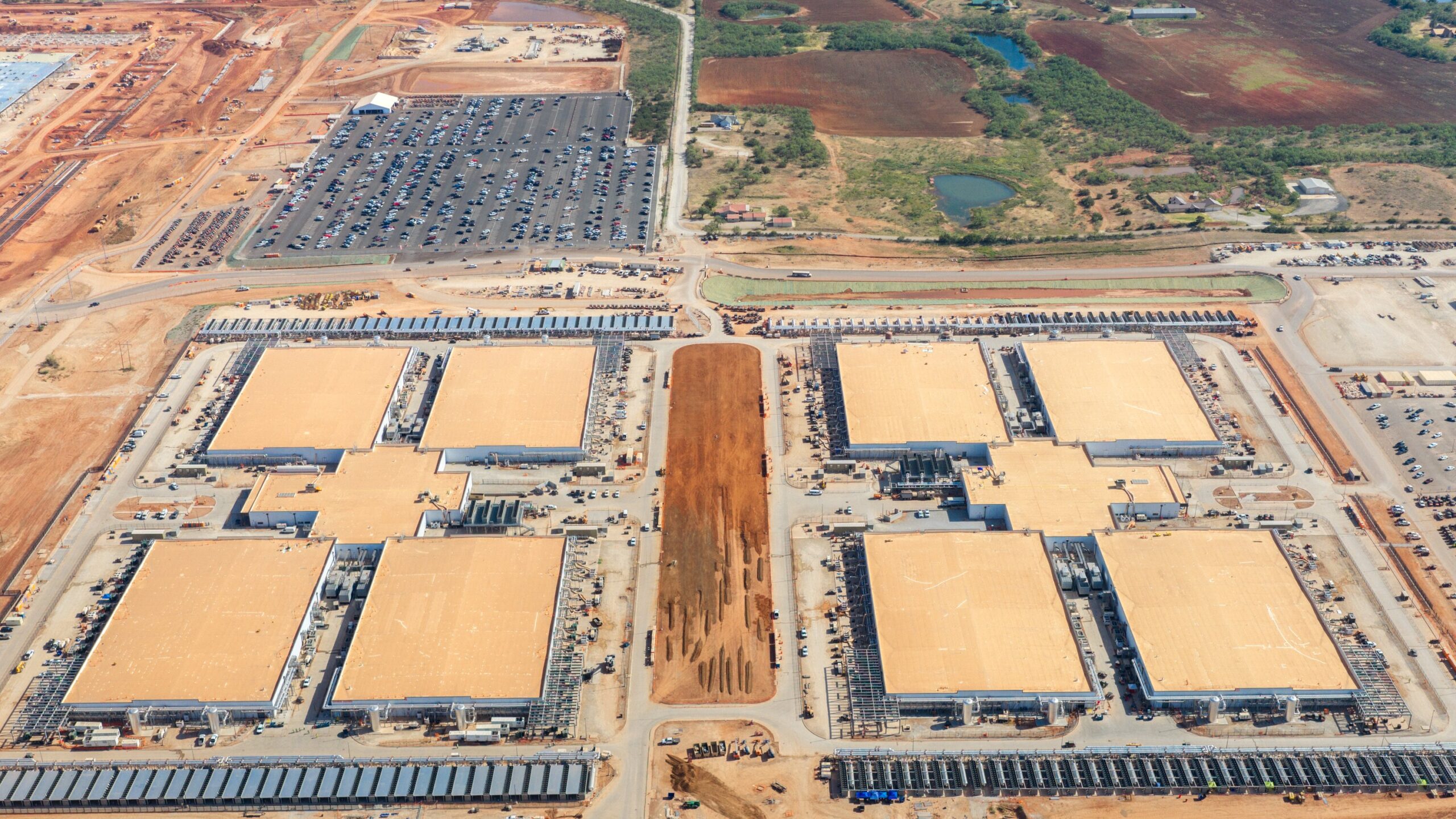
The U.S. House of Representatives has approved the Ratepayer Protection Act, a bipartisan bill designed to prevent consumers from paying higher electricity costs tied to the rapid expansion of artificial intelligence data centers. The measure passed by a wide 417-3 vote on Wednesday and now moves to the Senate for consideration.
The legislation comes as concerns about data center growth continue to increase across the country. Many communities have raised questions about the impact of large facilities on local power grids, energy supplies and household utility bills. Lawmakers from both parties say the bill is intended to address one of the biggest concerns facing residents near proposed and existing projects.
The Ratepayer Protection Act would establish standards that state regulators could choose to adopt when reviewing large AI data center developments. The proposal focuses on facilities with electricity demands of 100 megawatts or more, placing responsibility for new infrastructure costs on developers rather than consumers.
Supporters say the bill follows a straightforward principle. Companies creating major new demand for electricity should pay for the power plants, transmission lines and related infrastructure needed to support their operations. They argue that ordinary families should not be required to absorb those costs through higher monthly utility bills.
Representative Gabe Evans of Colorado introduced the legislation with Democratic Representative Kathy Castor of Florida. Both lawmakers said protecting ratepayers was the central goal of the proposal.
Evans said businesses driving new energy demand should be responsible for funding the infrastructure required to meet that demand. He argued that consumers should not be forced to carry the financial burden created by large industrial projects.
The House brought the measure to the floor under a process generally reserved for legislation with broad support. The bill easily exceeded the two-thirds threshold required for passage.
Only three members voted against the proposal. Representatives Summer Lee of Pennsylvania, Delia Ramirez of Illinois and Rashida Tlaib of Michigan were the only lawmakers to oppose the measure.
The vote highlights how data centers have become a growing political issue ahead of the 2026 midterm elections. Republicans are working to protect narrow majorities in both the House and Senate, while lawmakers from both parties face increasing pressure from voters concerned about the effects of large-scale AI infrastructure projects.
Data centers play a critical role in the artificial intelligence industry. They provide the computing power needed to train and operate advanced AI systems. As demand for AI technology grows, companies have announced plans for new facilities across many states.
The rapid expansion has generated support from business groups and local leaders who view the projects as economic opportunities. At the same time, residents in several communities have raised concerns about energy consumption, environmental impacts and rising utility costs.
The House bill seeks to create a framework that states may use to address those concerns. While states would continue to control project approvals, the legislation offers guidance designed to ensure that consumers are protected from additional expenses related to infrastructure upgrades.
The proposal also reflects parts of the White House Ratepayer Protection Pledge announced earlier this year. Supporters say the measure helps establish a clear policy direction while preserving state authority over energy and development decisions.
Despite receiving overwhelming support in Congress, some environmental and advocacy organizations remain critical of the bill. They argue that the measure relies too heavily on voluntary adoption by states and lacks stronger enforcement mechanisms.
Several groups have said regulators could choose not to follow the standards outlined in the legislation. Others argue that lawmakers should take broader action to slow or limit future AI data center development.
House Democratic leader Hakeem Jeffries supported the proposal but said additional work remains. He described the legislation as progress while noting that Congress still faces larger questions about artificial intelligence and its effects on communities, workers and energy systems.
The debate over AI infrastructure has become more intense as concerns grow about electricity demand and power grid capacity. Policymakers are increasingly being asked to balance economic growth with consumer protections and energy reliability.
Following its strong House approval, the Ratepayer Protection Act now heads to the Senate. Its future there remains uncertain, but the vote signals growing bipartisan interest in addressing the costs associated with the expanding AI industry while seeking to protect consumers from higher energy bills.
